AI + design: Turning Taste Into Data
Every job I've had has been about building worlds before they exist. Architecture taught me to work out light, material and scale before anything's built. Storyboards and concept art required me to do the same with story and mood. Art direction allowed me to hold all of it together across a whole production. Generative AI is just a new approach for that same job. The scarcity was never image-making — it's knowing what you want and why, then breaking it into decisions specific enough for a model to follow: story, lighting, composition, contrast, motion, tone. "Make it cinematic" isn't a decision. It's what happens once you've made the real ones.
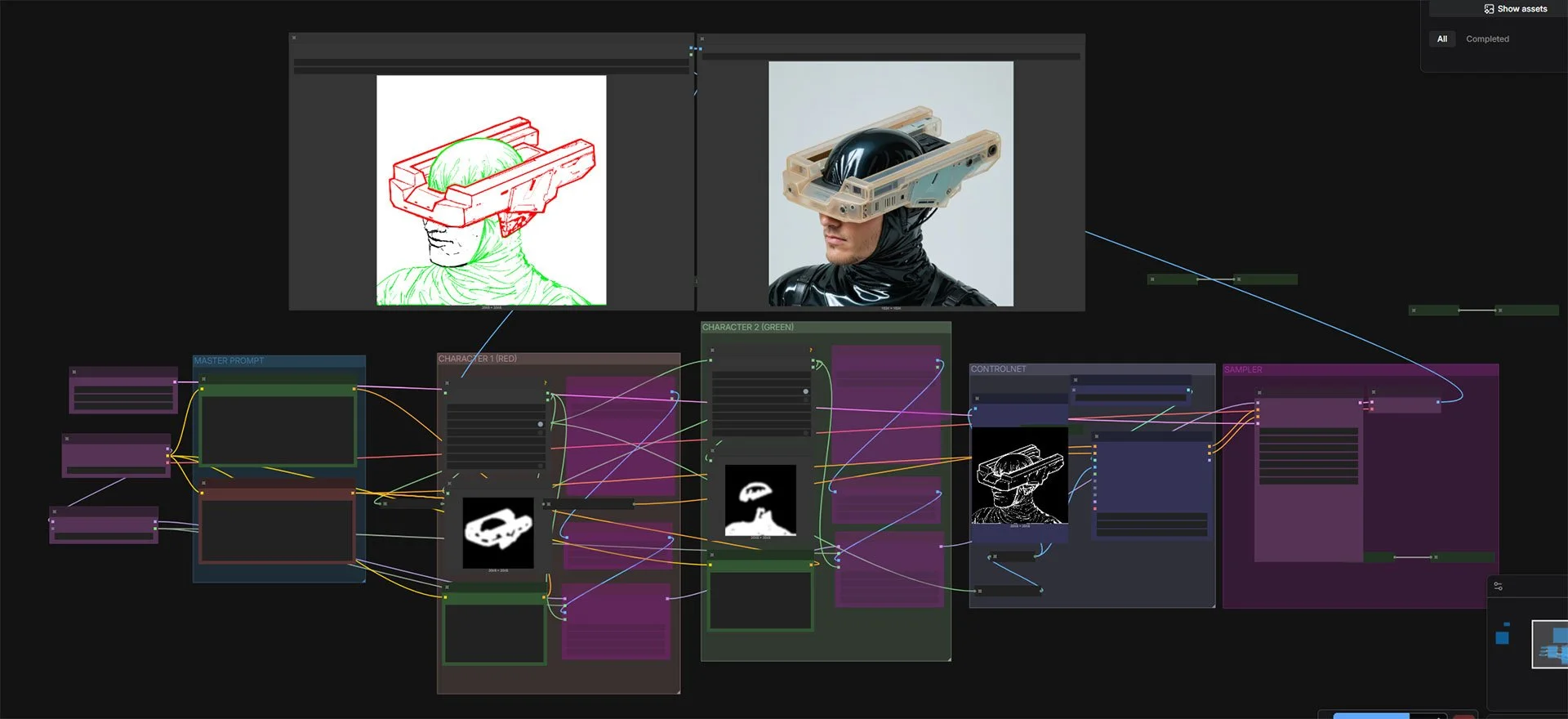
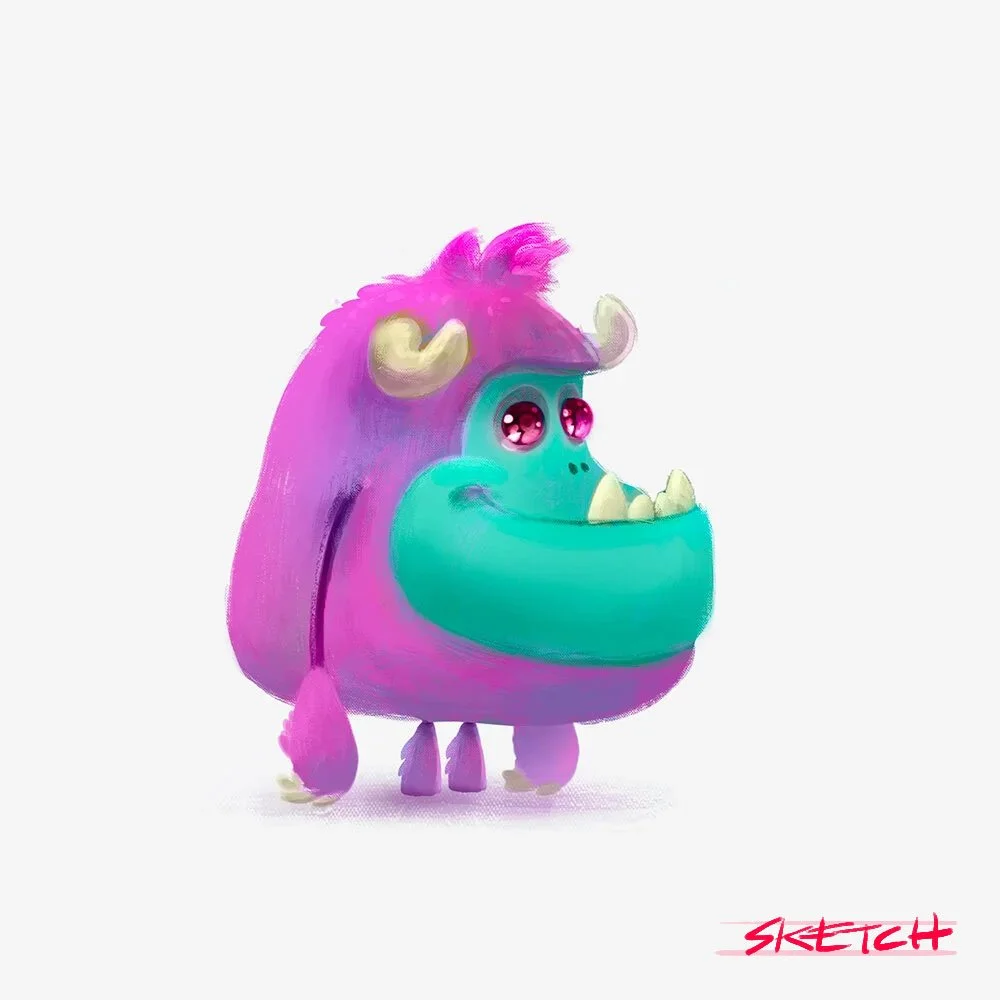
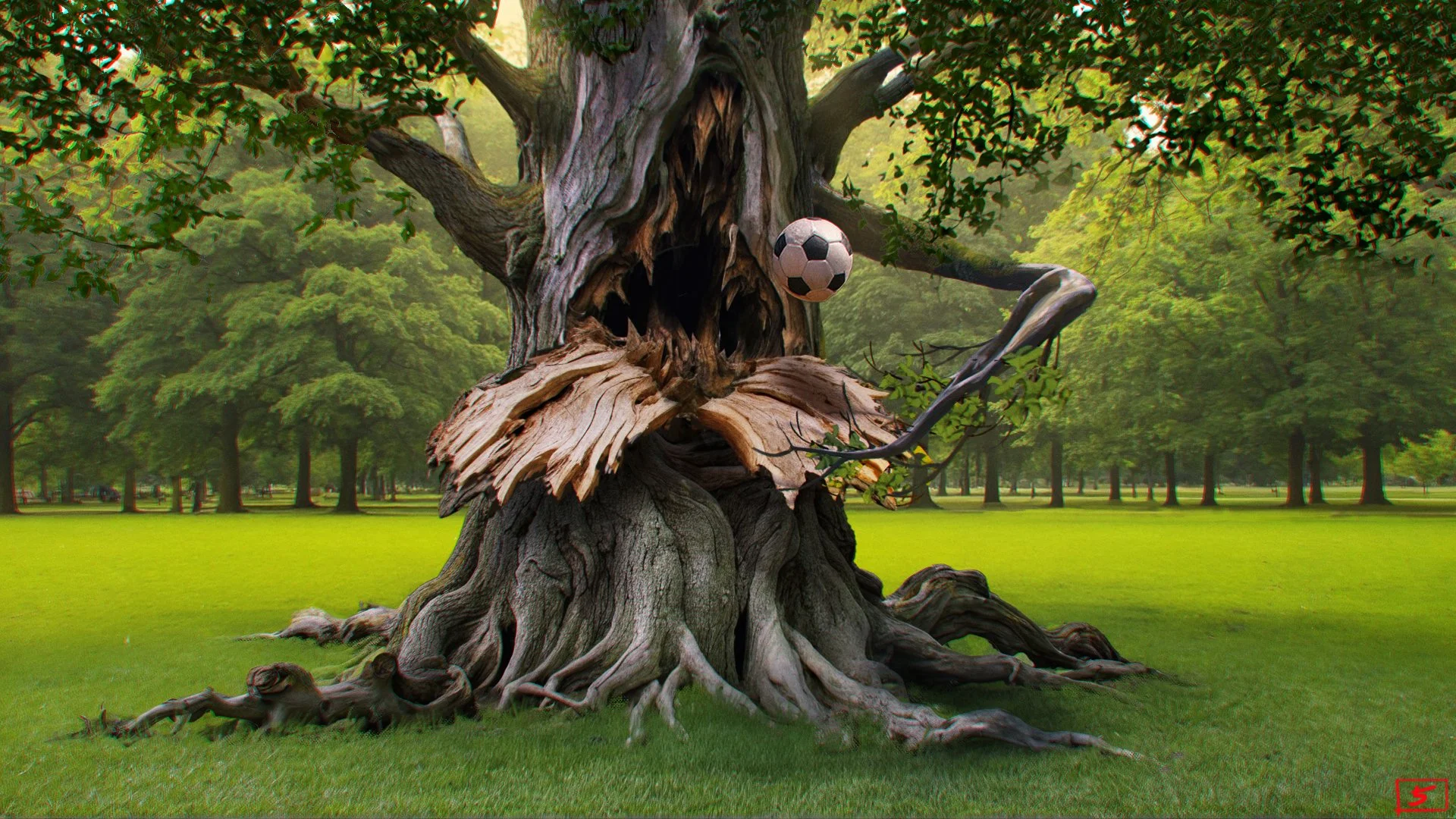
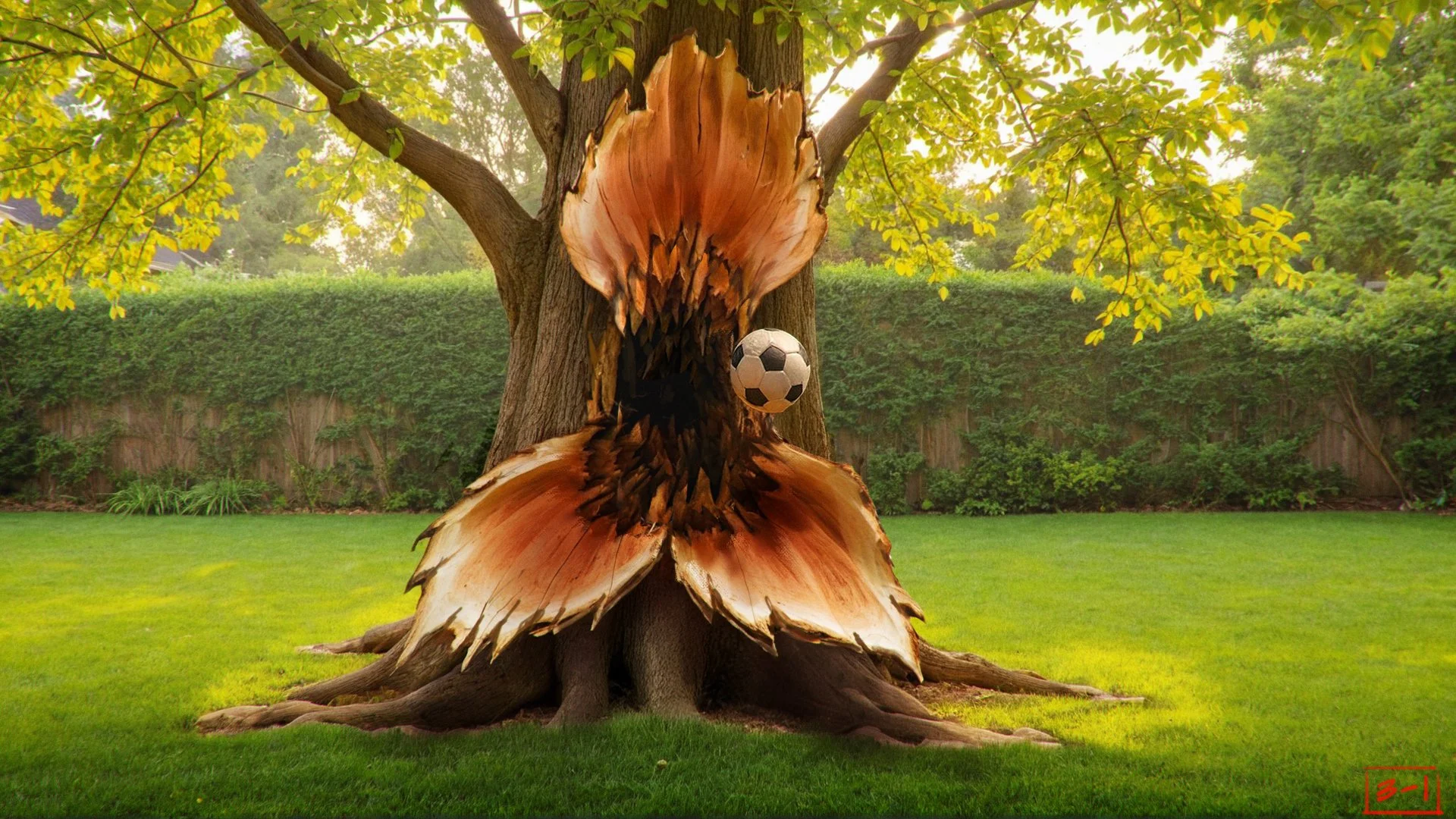
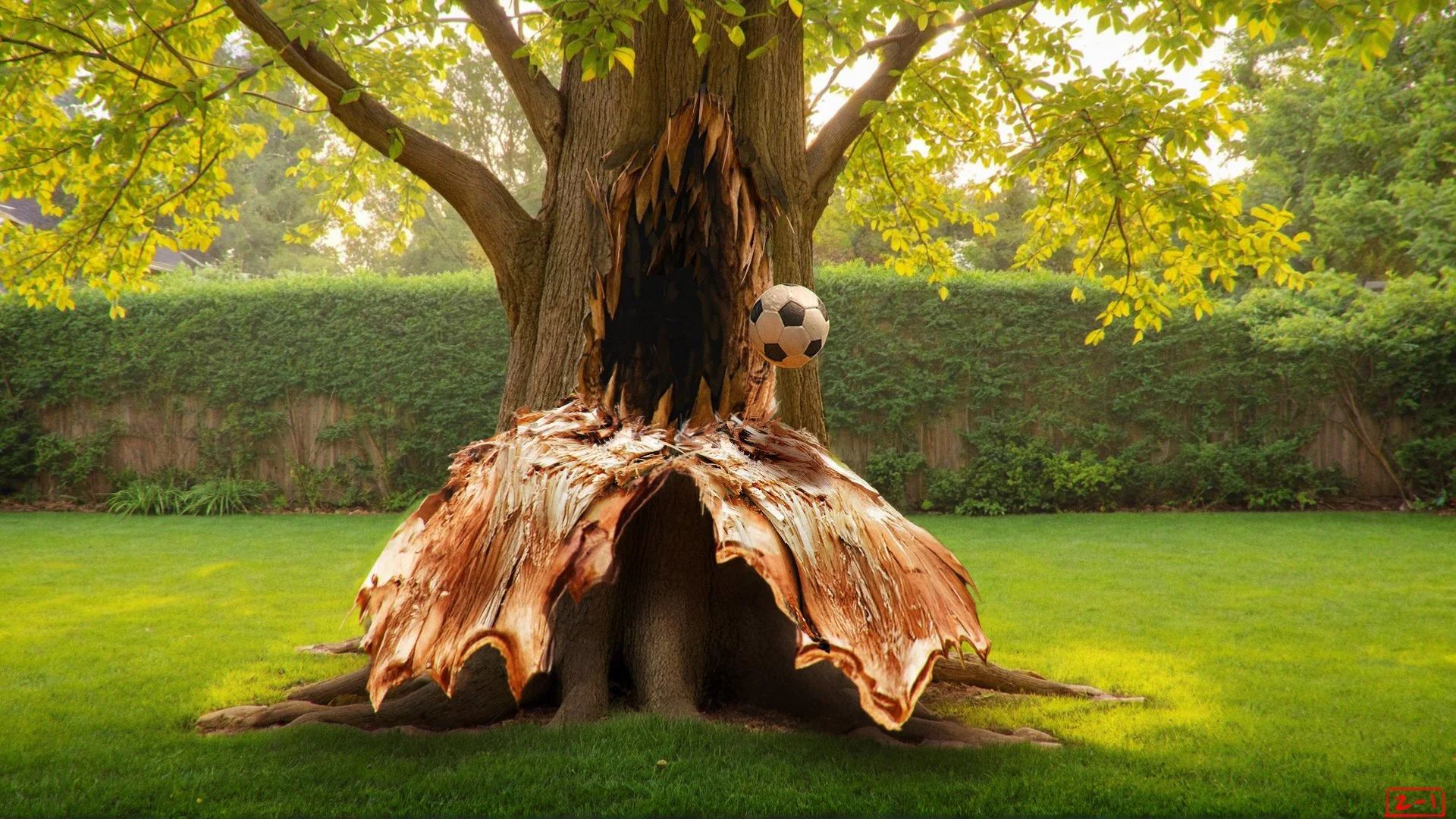
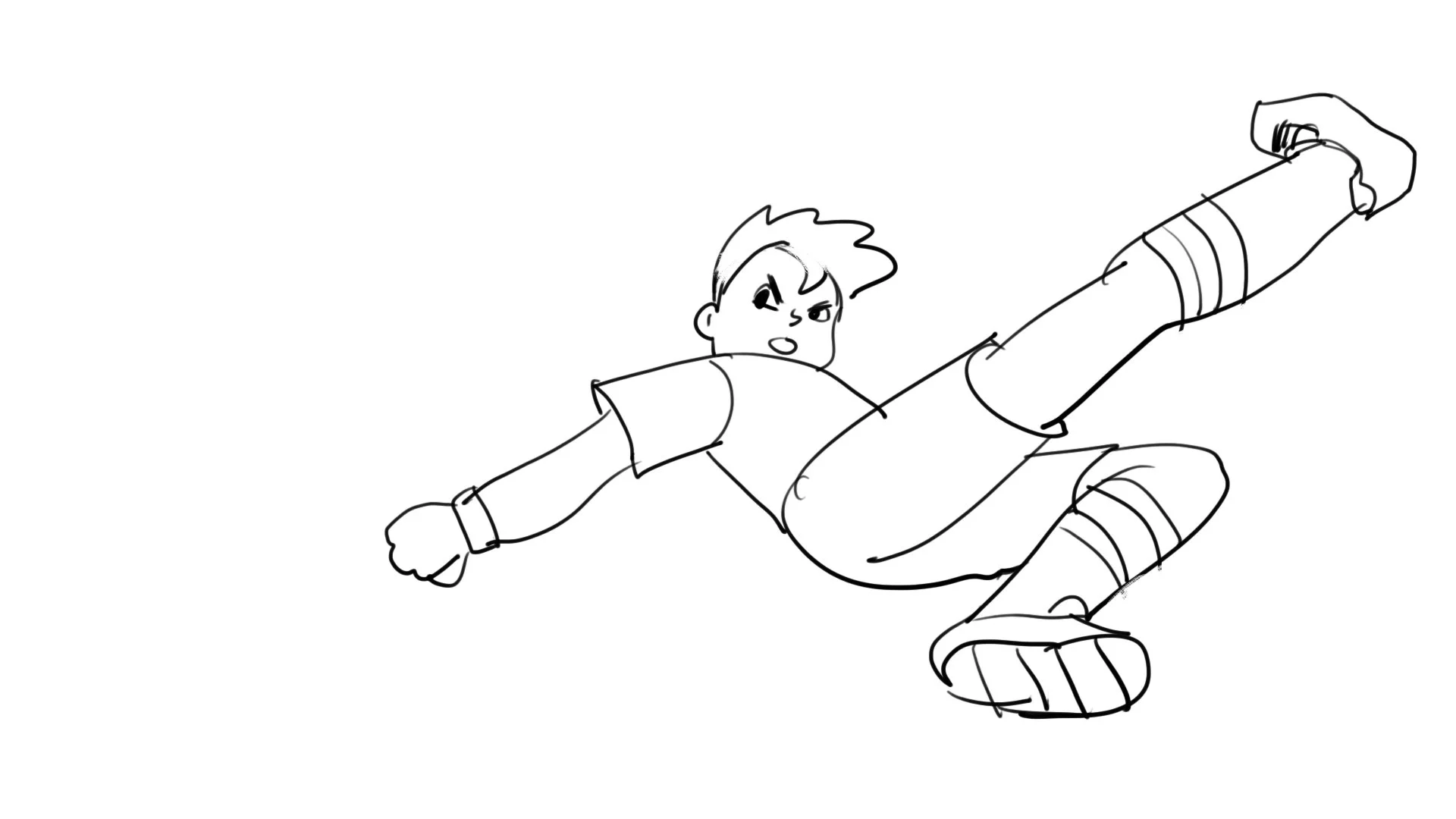
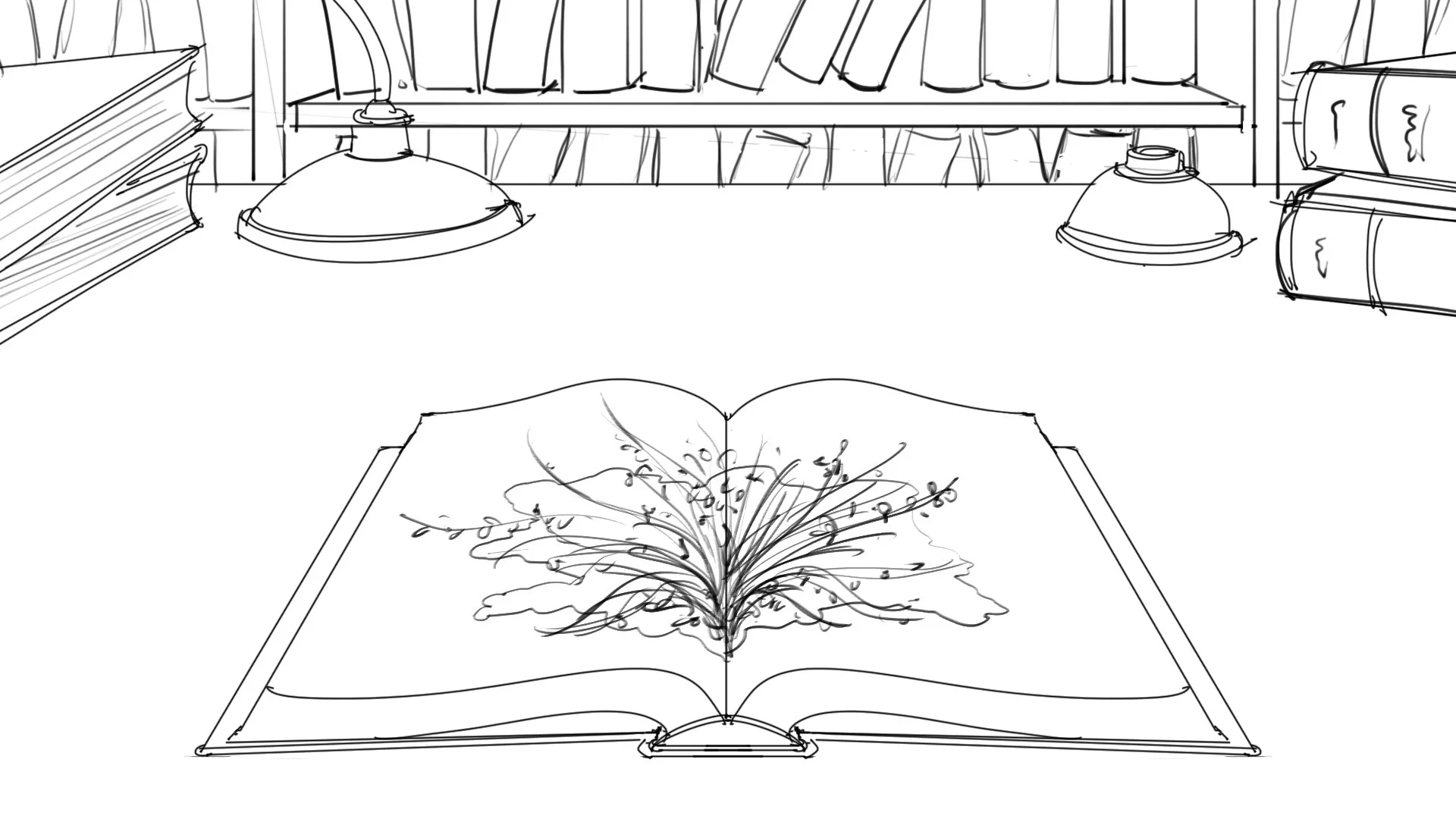
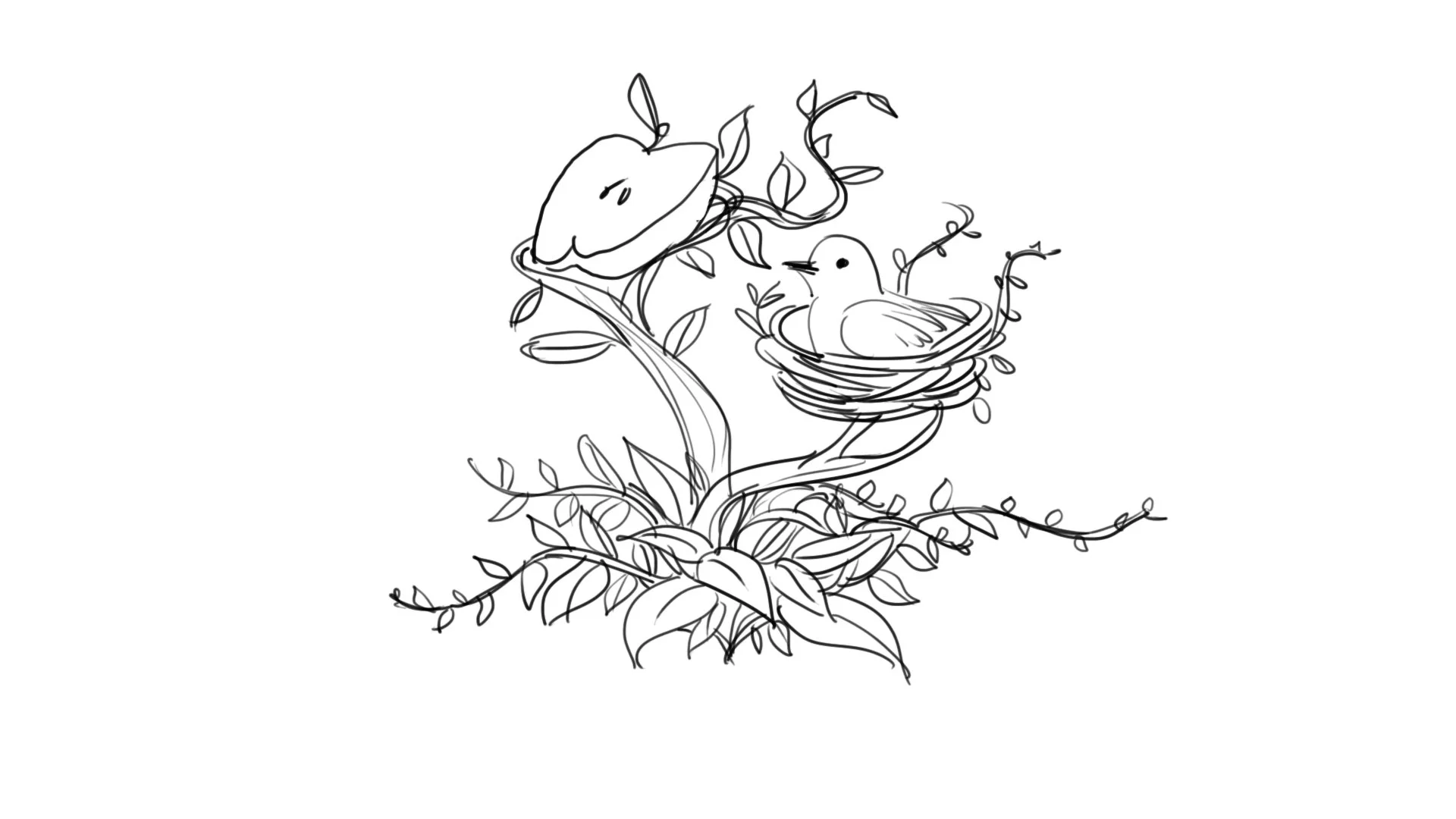
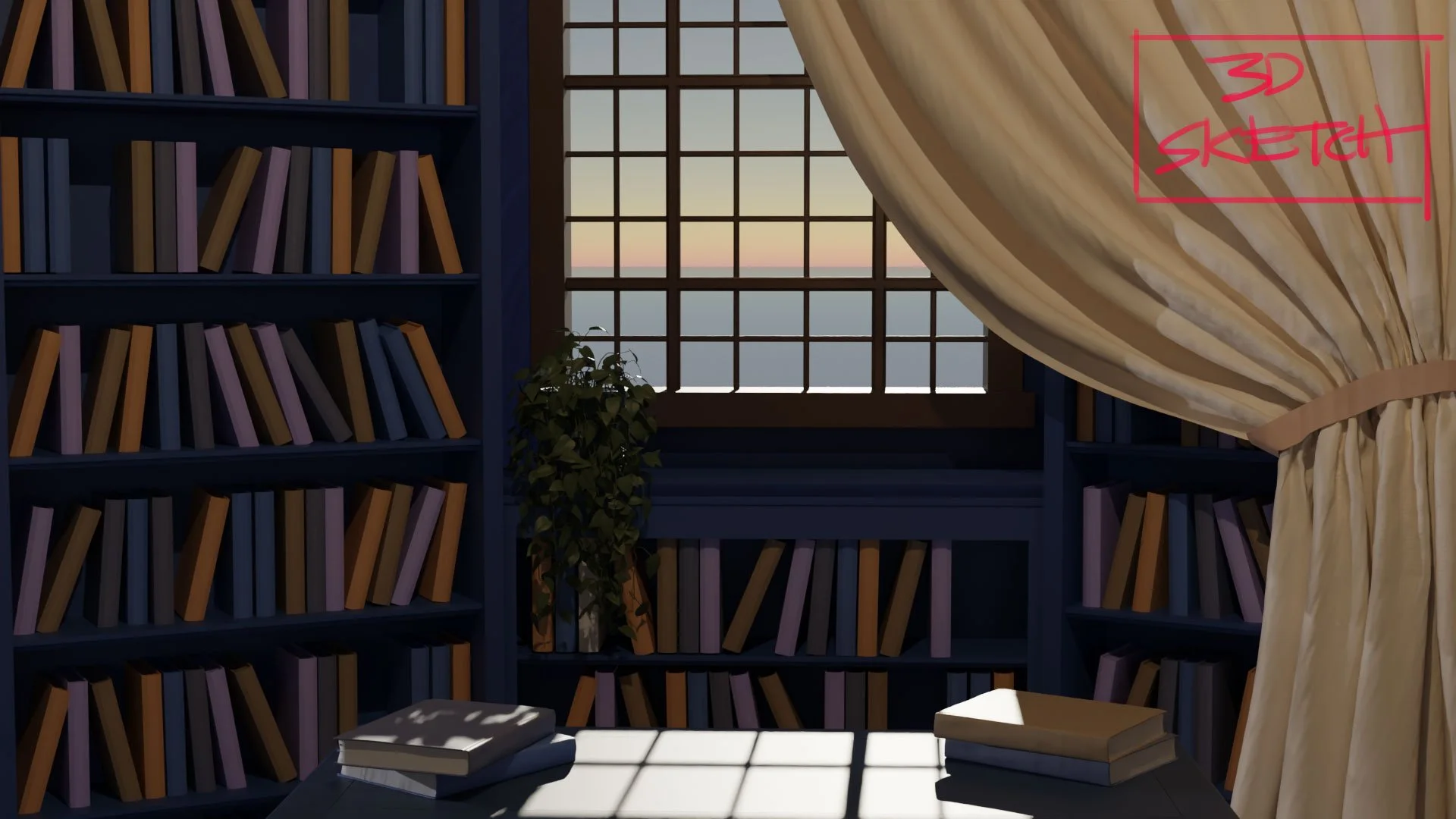
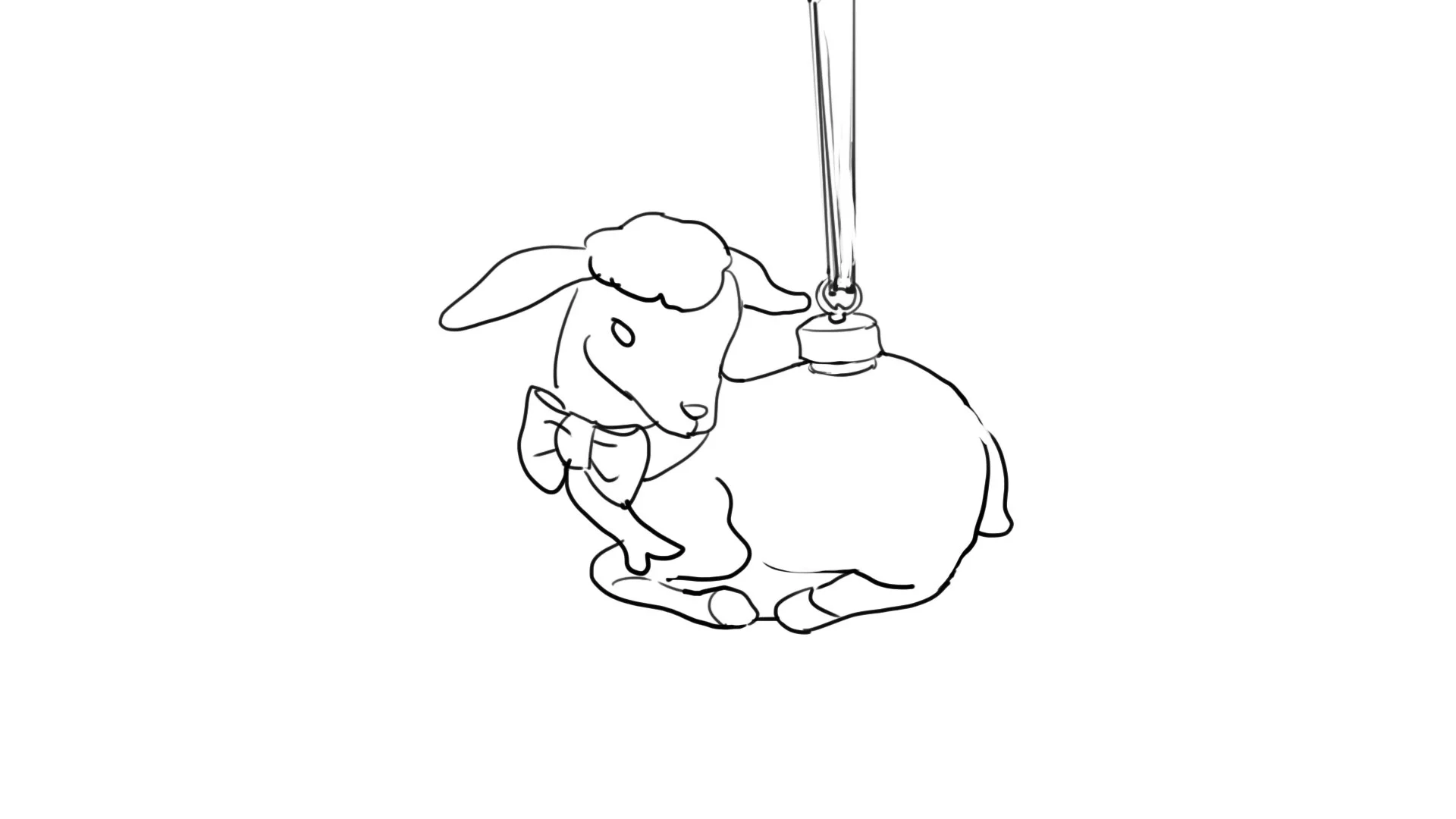
That's also what sketch-driven frameworks are for — drawings with the creative rules already built in. The sketch fixes composition, gesture, lighting direction and narrative focus, so when AI generates variations, it's working inside that intent instead of wandering off from it.
SKETCH/PROMPT/REFERENCE FRAMEWORK
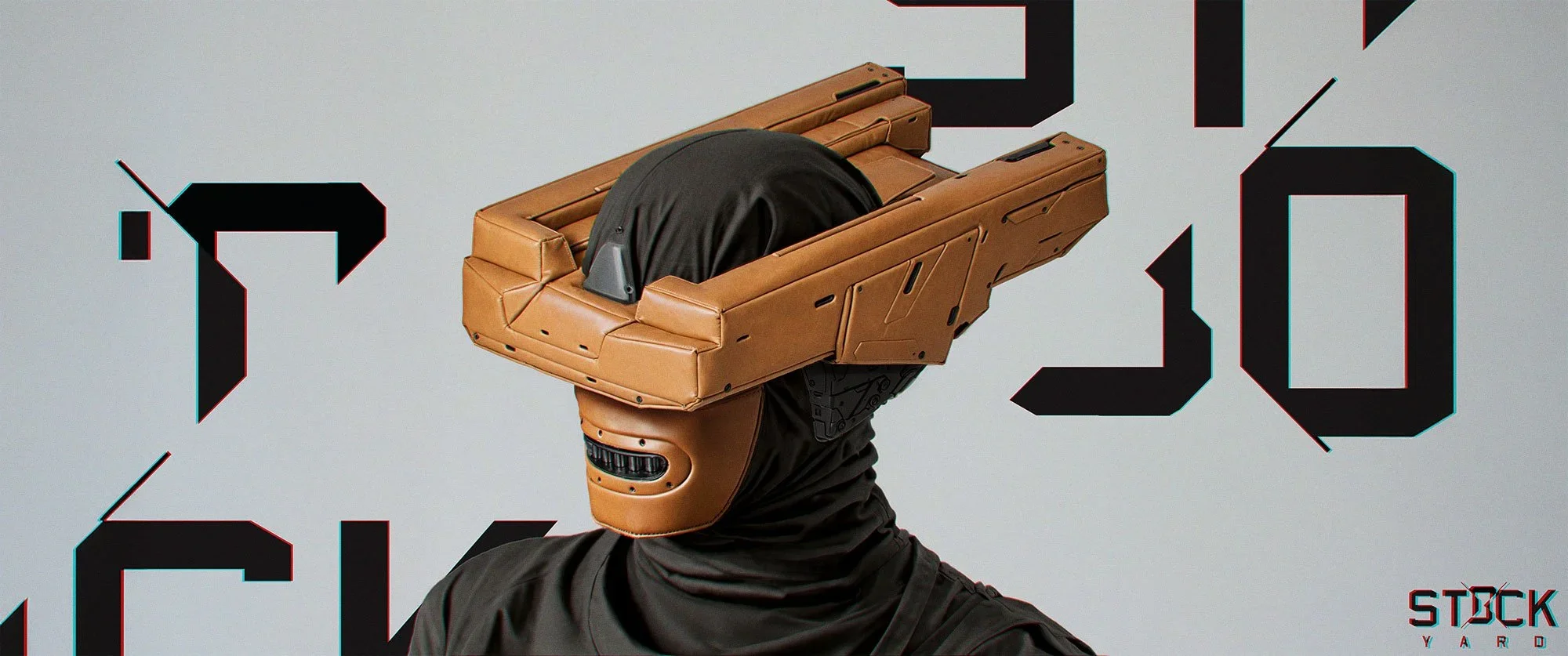
STOCKYARD
Years of working in VFX inspired me to treat my drawings like render passes. If I break them up into channels, I can control each material and style independently, enabling iteration while locking in consistency.
SEMI PERMANEANT TITLES
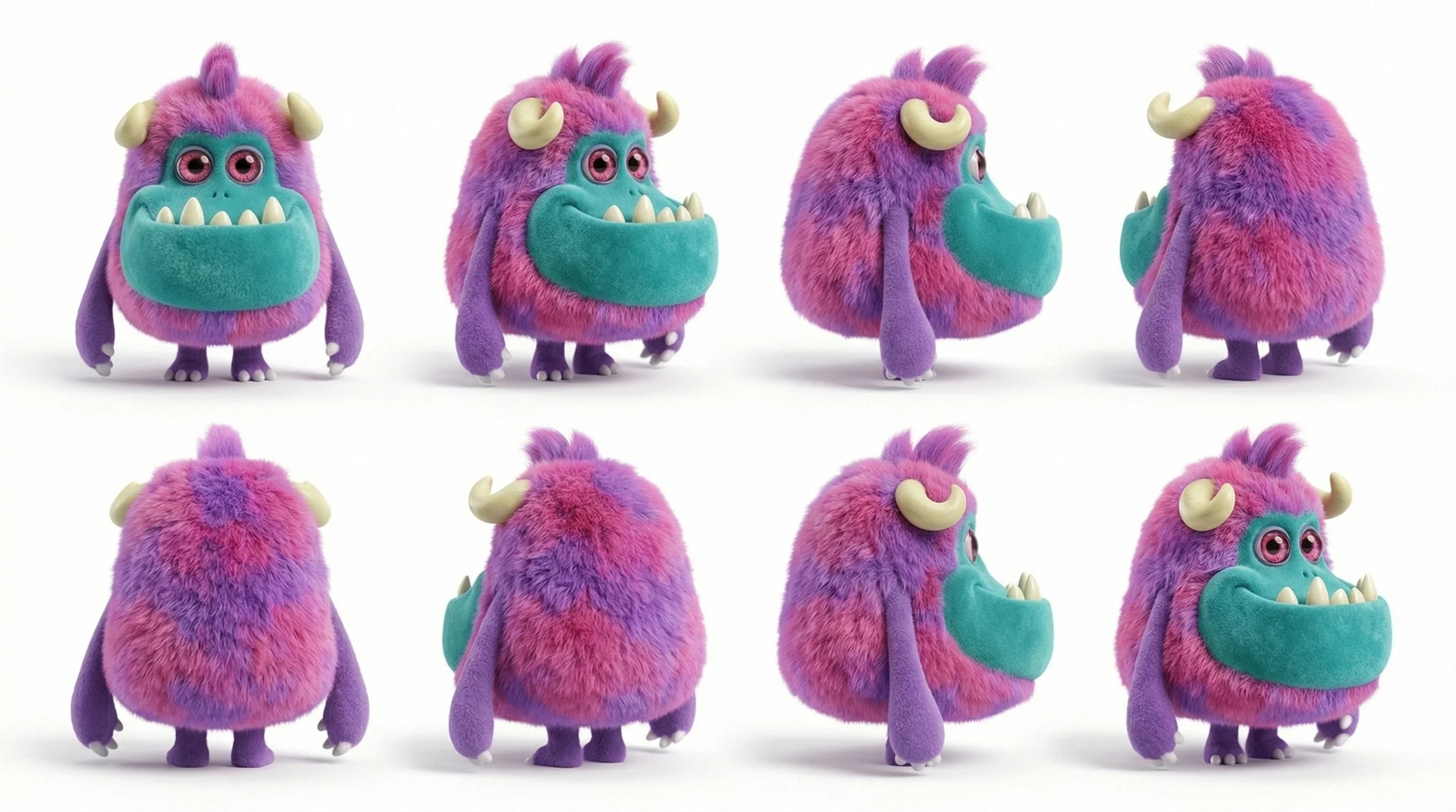
Turning gestural concept art into photoreal 3d is an obvious usage of AI. In the past, a quick 3d sculpt with paint over or Blender grease pencil over a mesh would serve to stress test the Most Viable Product (MVP) potential of my designs. Today, with AI, at any stage of my design, I can jump to 3d and test texture, lighting, and even continue iterating in AI. Modelers could take my base mesh as a first pass to improve it or get it ready for production. AI shouldn’t invalidate previous ways of creation. It should scale and multiply our intention.
WALMART
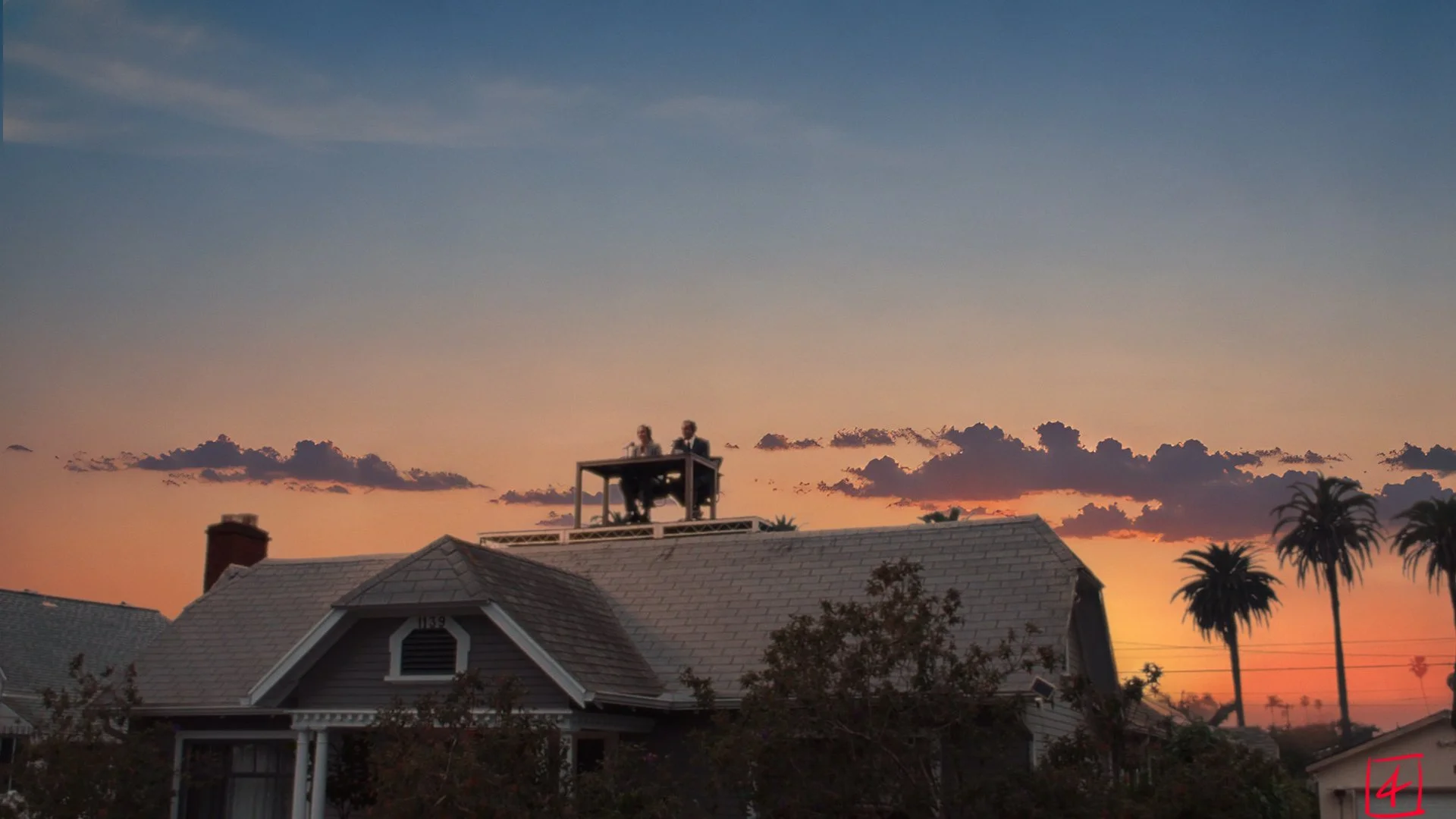
I use AI as a part of a multifaceted approach to all aspects of a production, from concept art, animation art direction to assisting the comp department with matte painting. The through line across all of it is that every frame has a reason for looking the way it does. No happy accidents

BED & BATH BODY WORKS
Good AI work starts with human-made art and composition — that's what separates deliberate creative decisions from blind guessing. And with AI credit costs quietly creeping up, designing with your brain first just makes sense. Even on open source models, hardware isn't getting cheaper and client expectations aren't getting simpler.
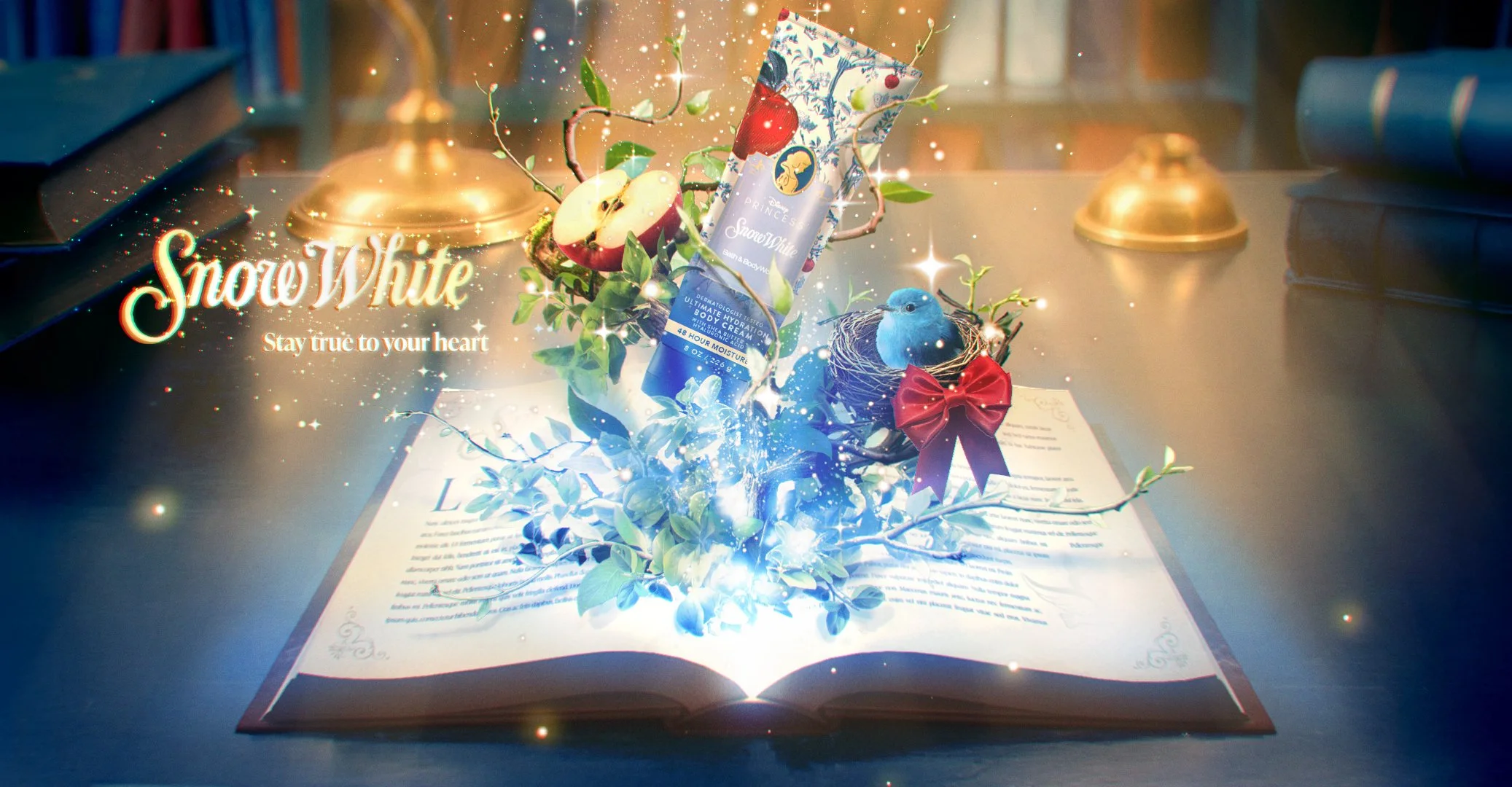
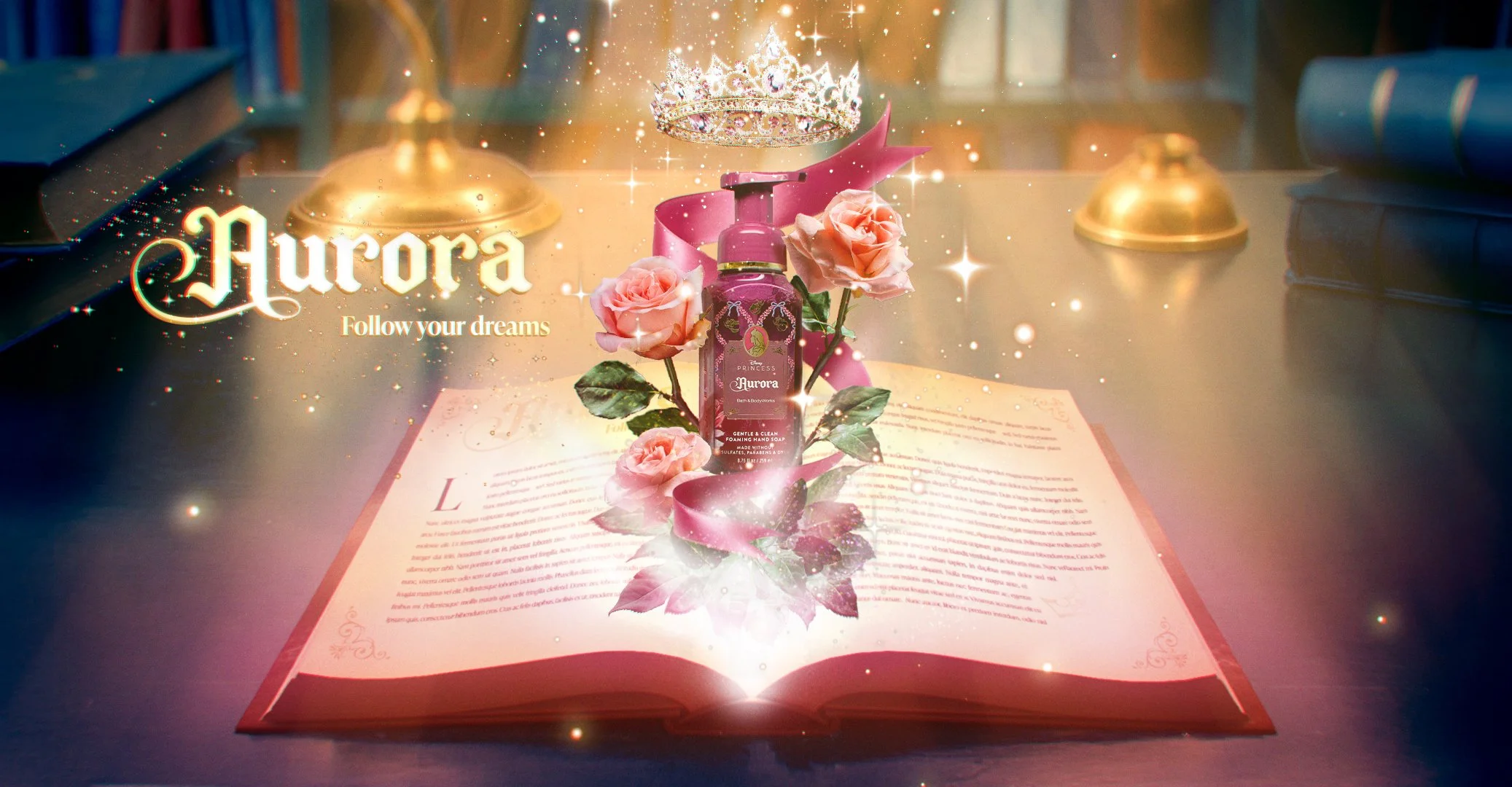
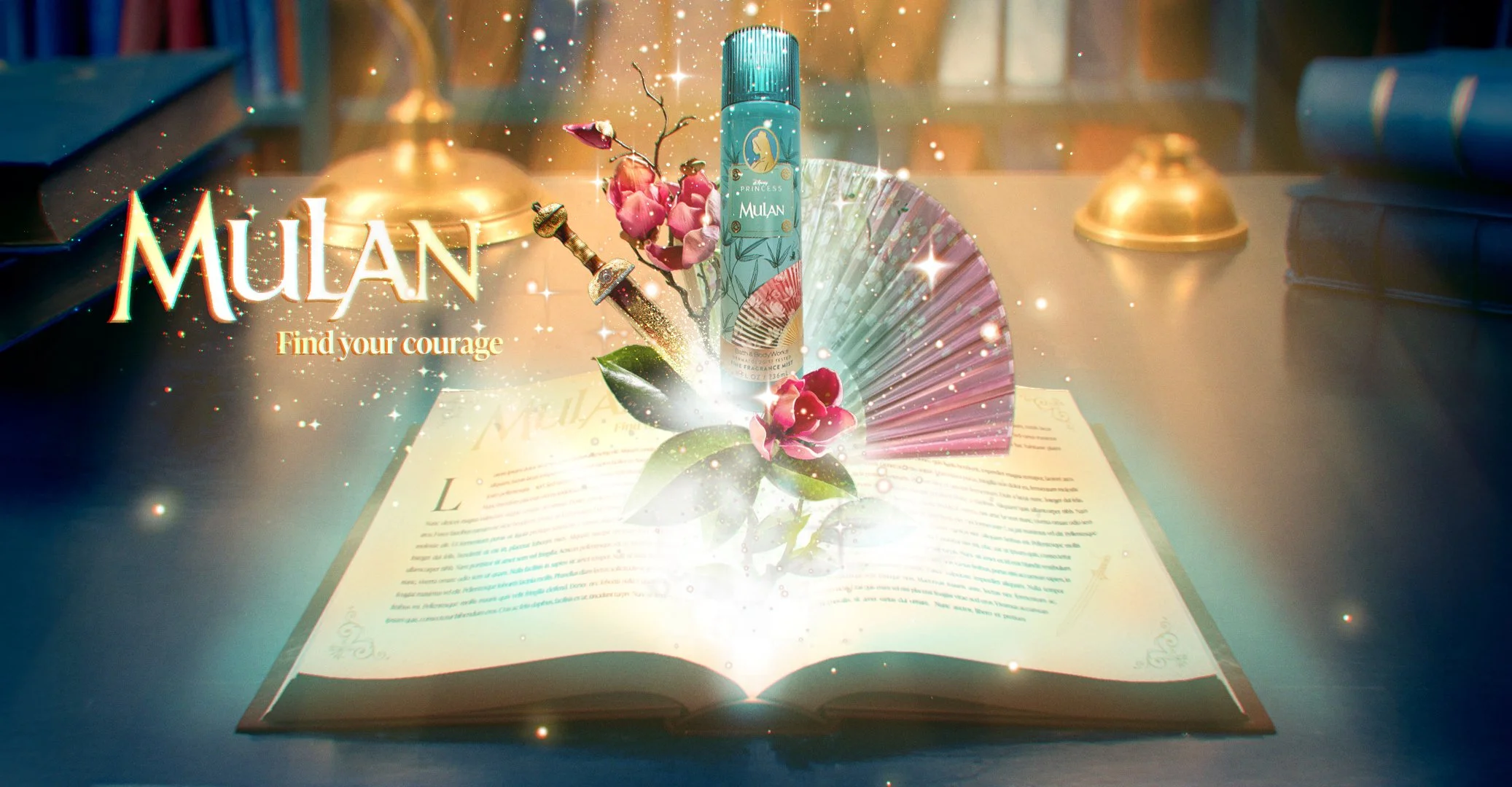
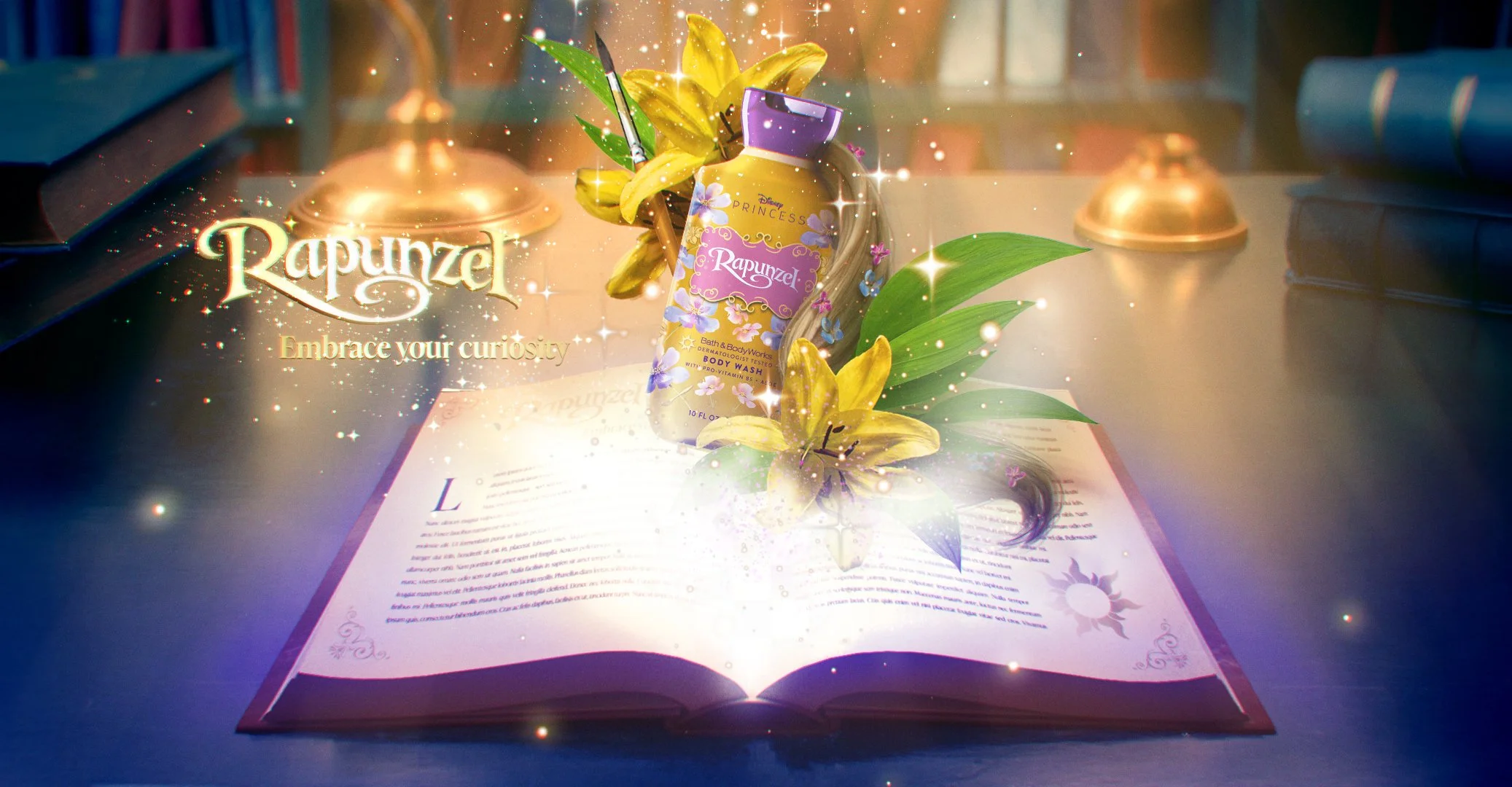
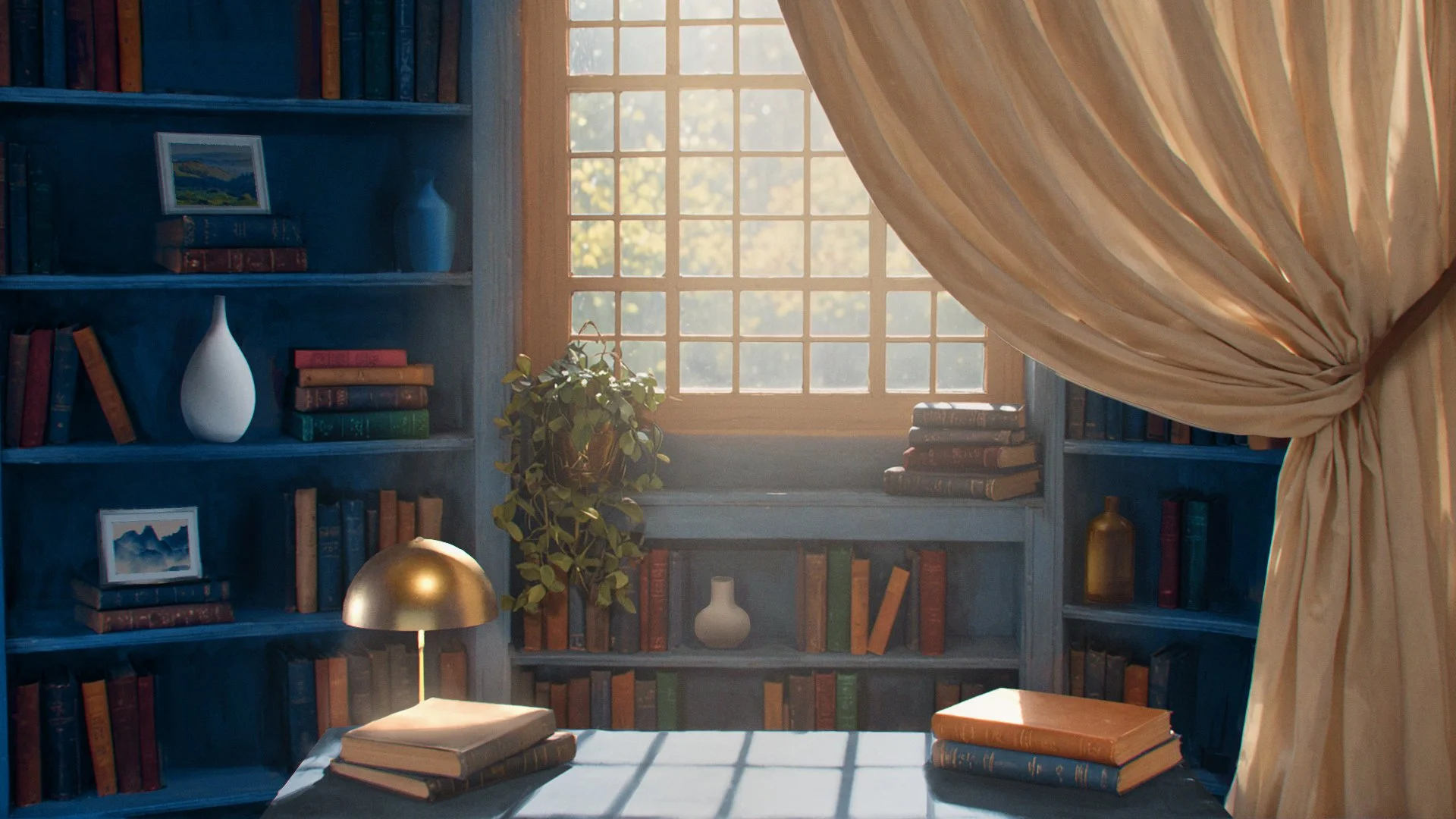
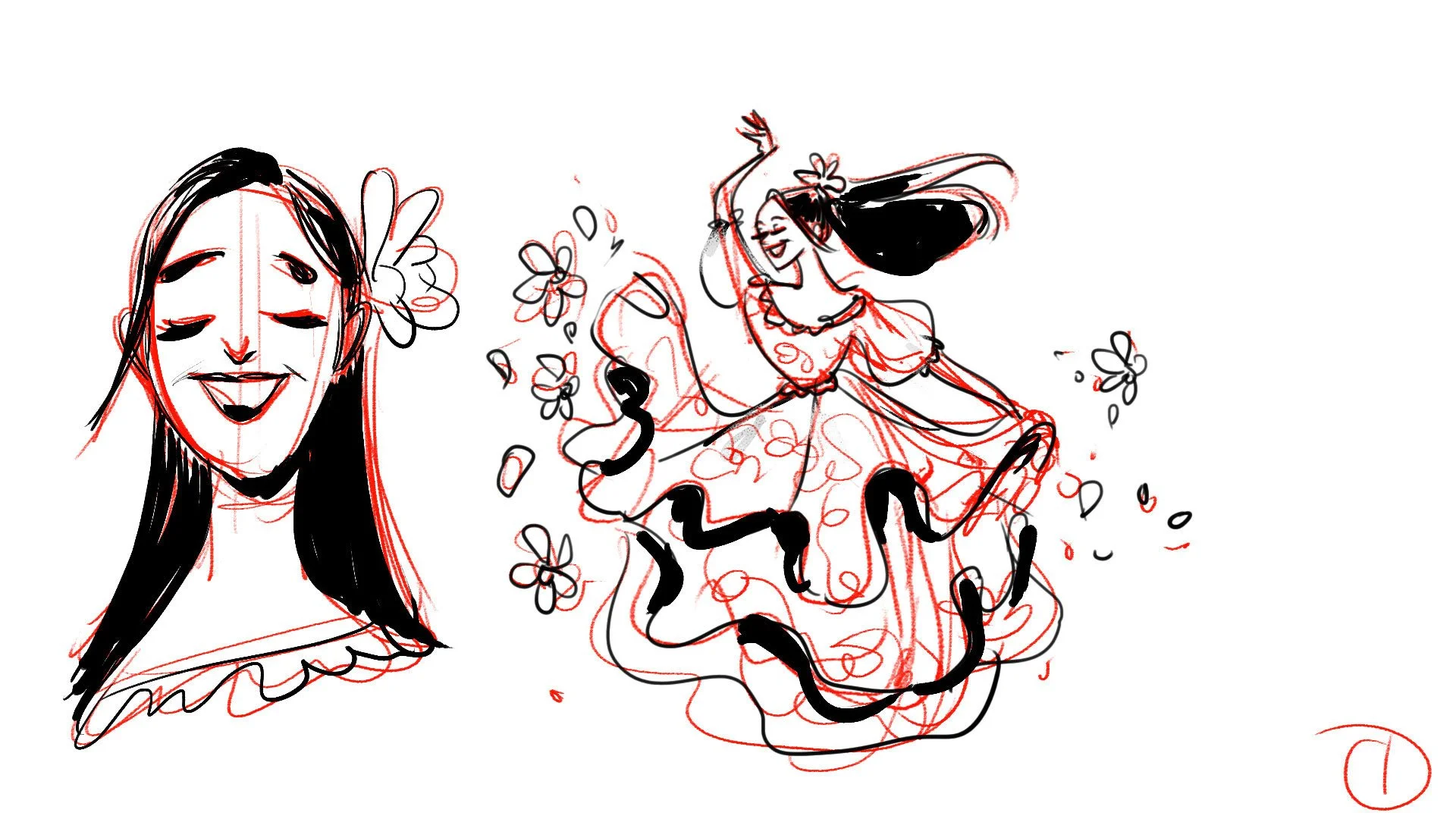
For this project, we were given photographic references — flowers, props, set pieces — and that's where AI actually earns its keep: synthesizing those references against a specific set of constraints. In this case, a floral and prop composition that had to work within a VFX budget, hold up to design scrutiny, and still genuinely delight the client. It did all three.
BED & BATH BODYWORKS
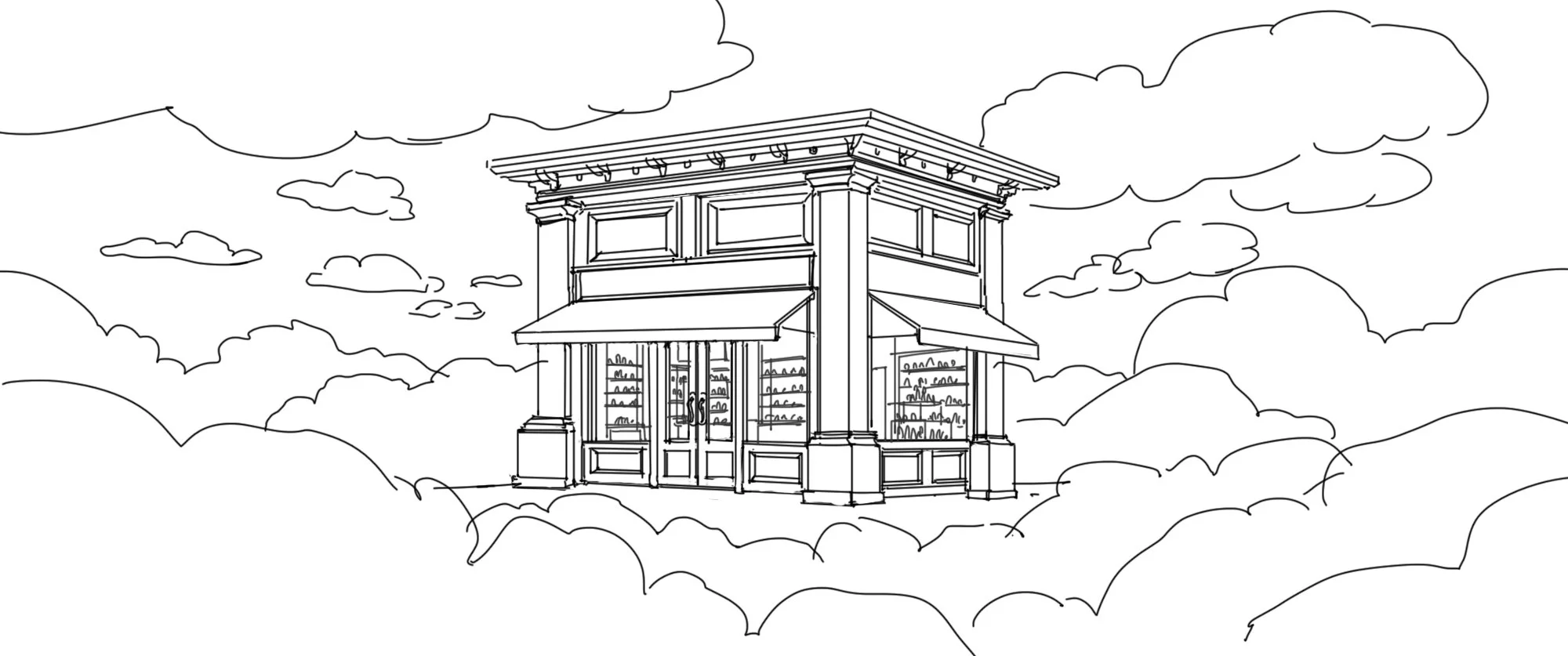
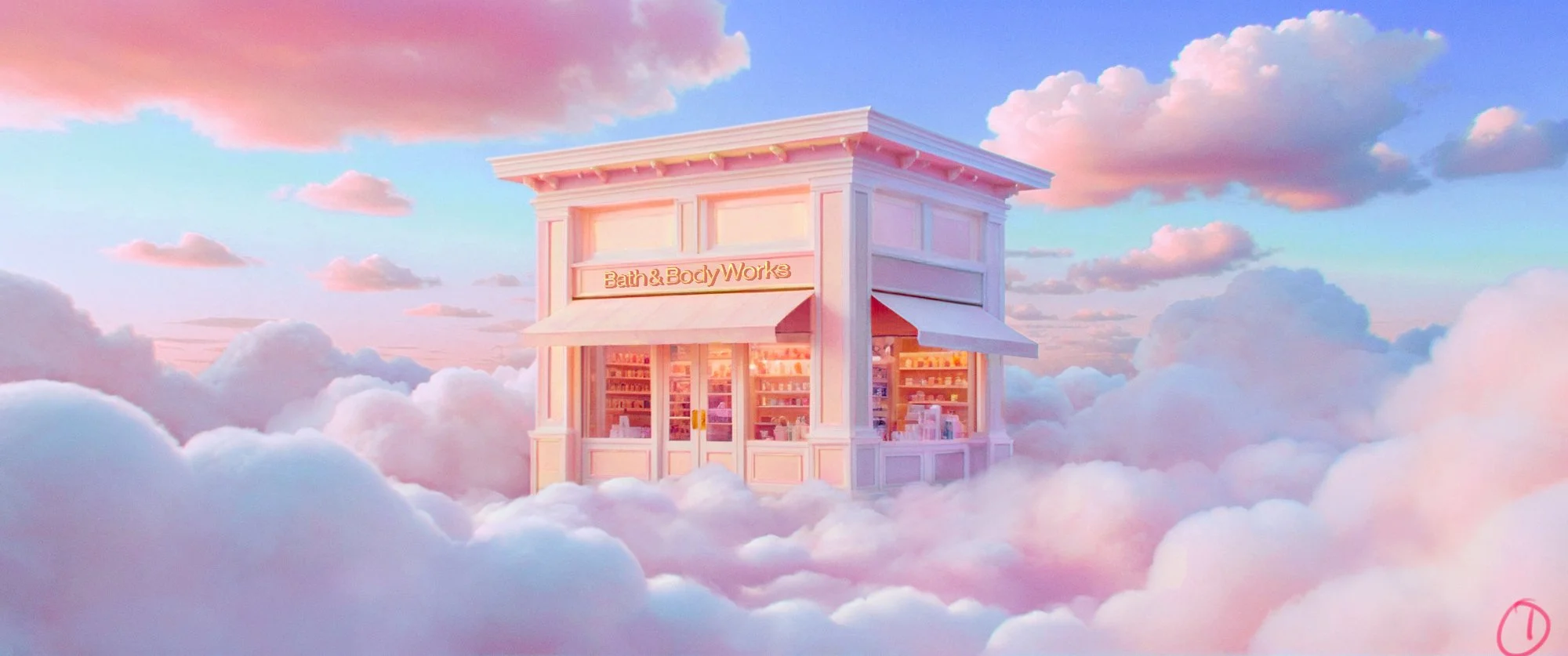
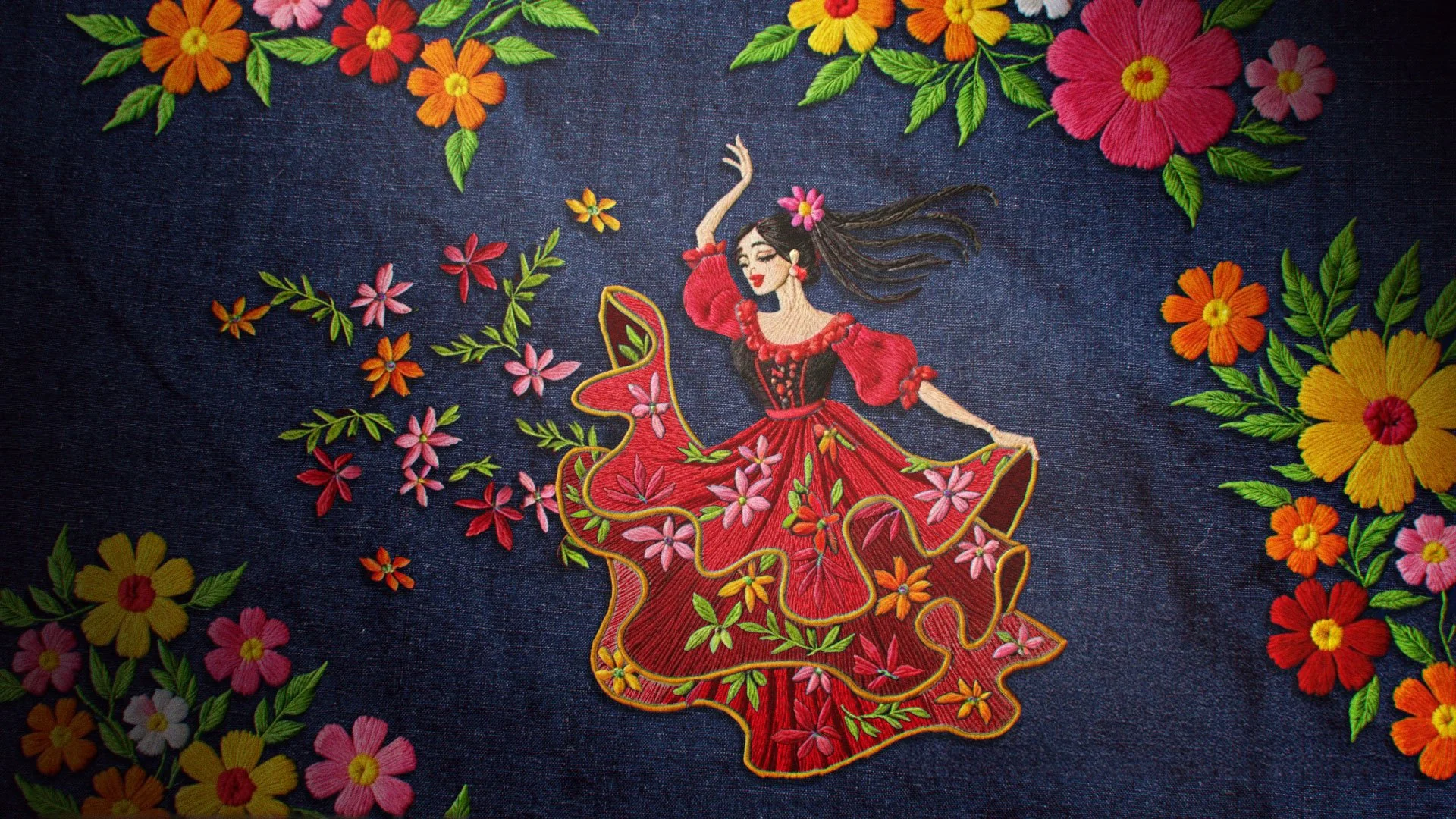
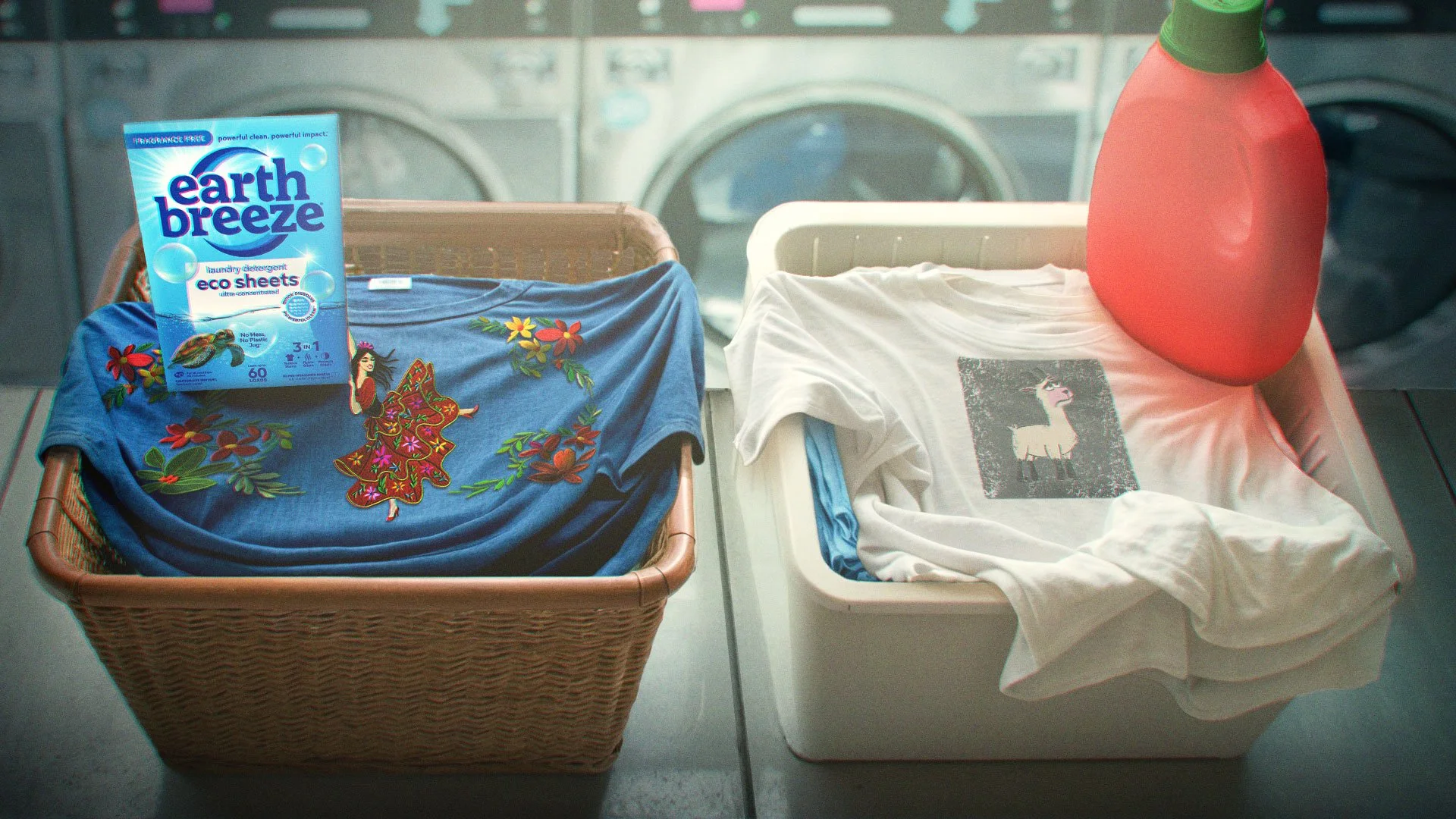
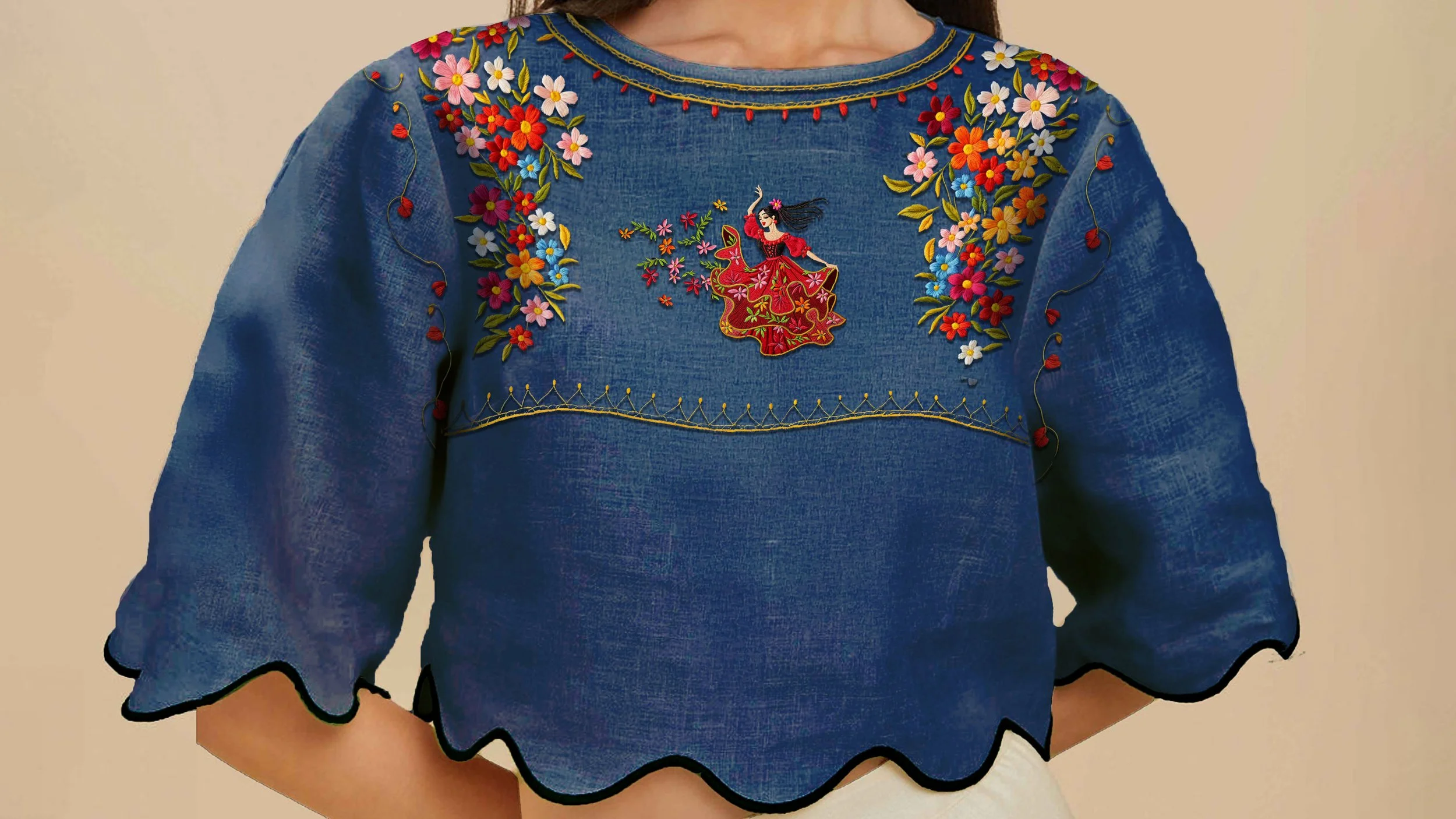
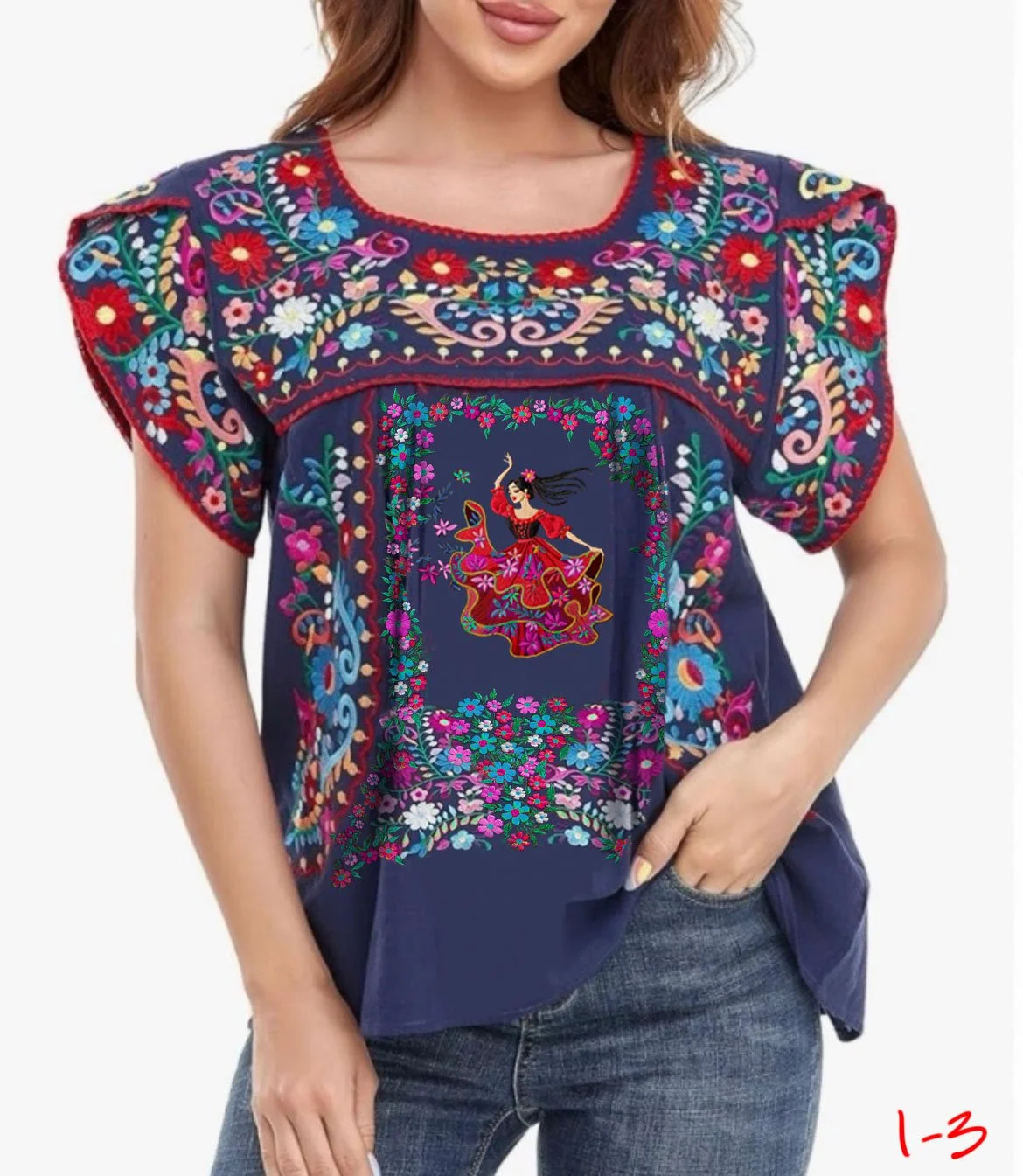
Photorealism was once the most difficult thing to achieve in VFX. AI makes it much easier. But what happens when the ask is something more specific — a stylized realism that's actually bespoke to a brand? That's where you can't just prompt your way to an answer. It requires interpreting a brand's visual language and knowing how to deploy it in service of their story.




EARTHBREEZE
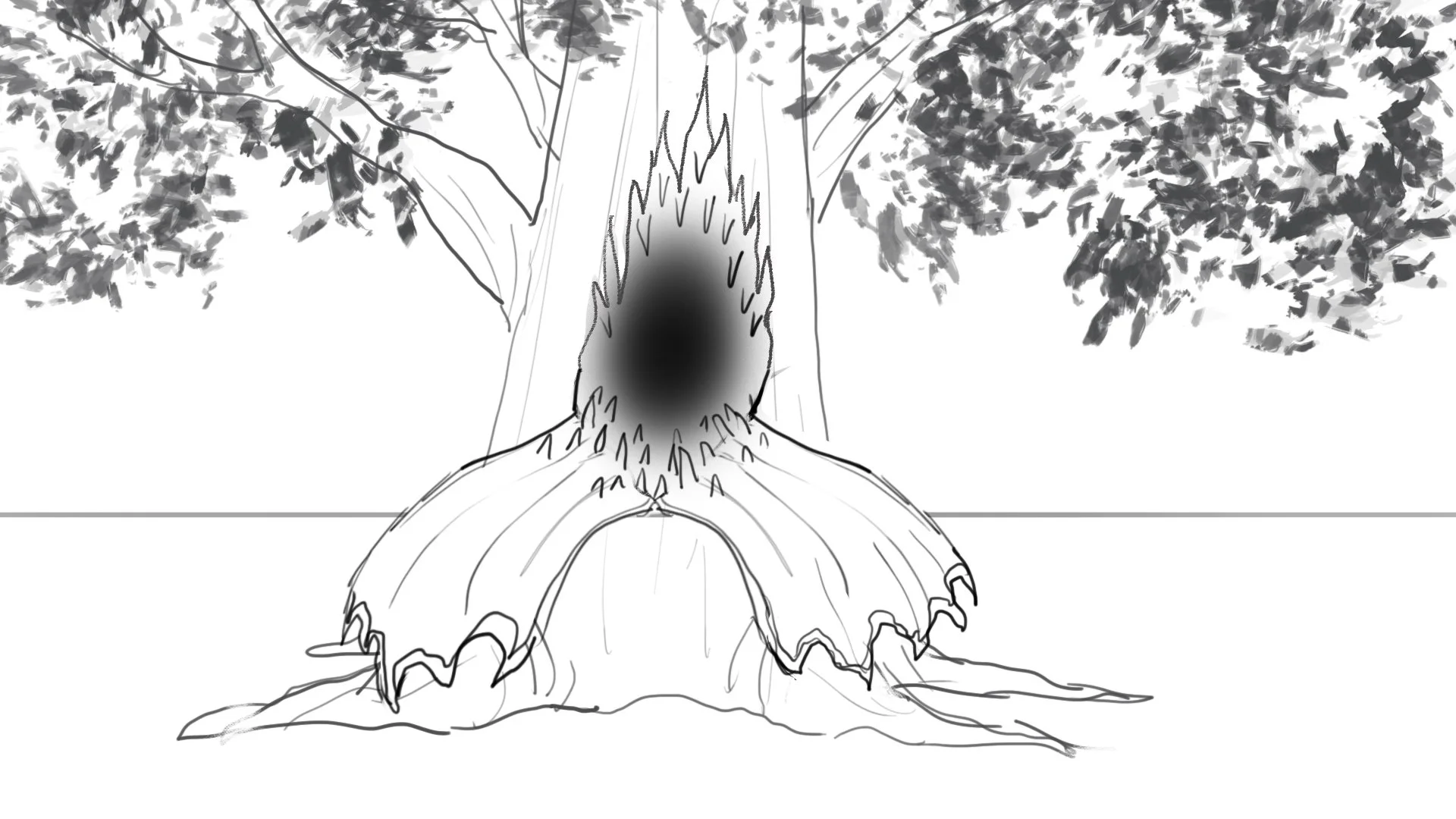
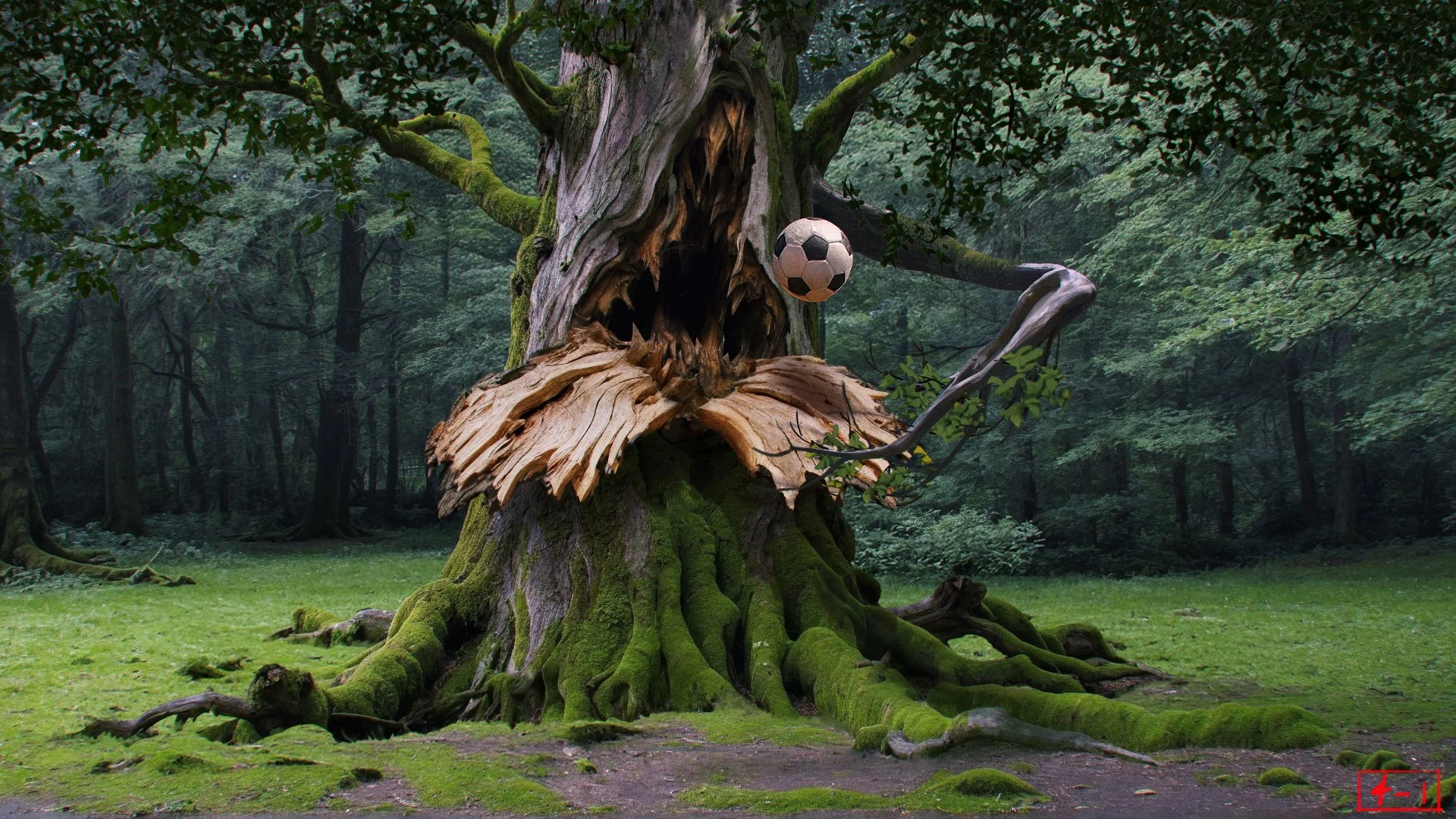
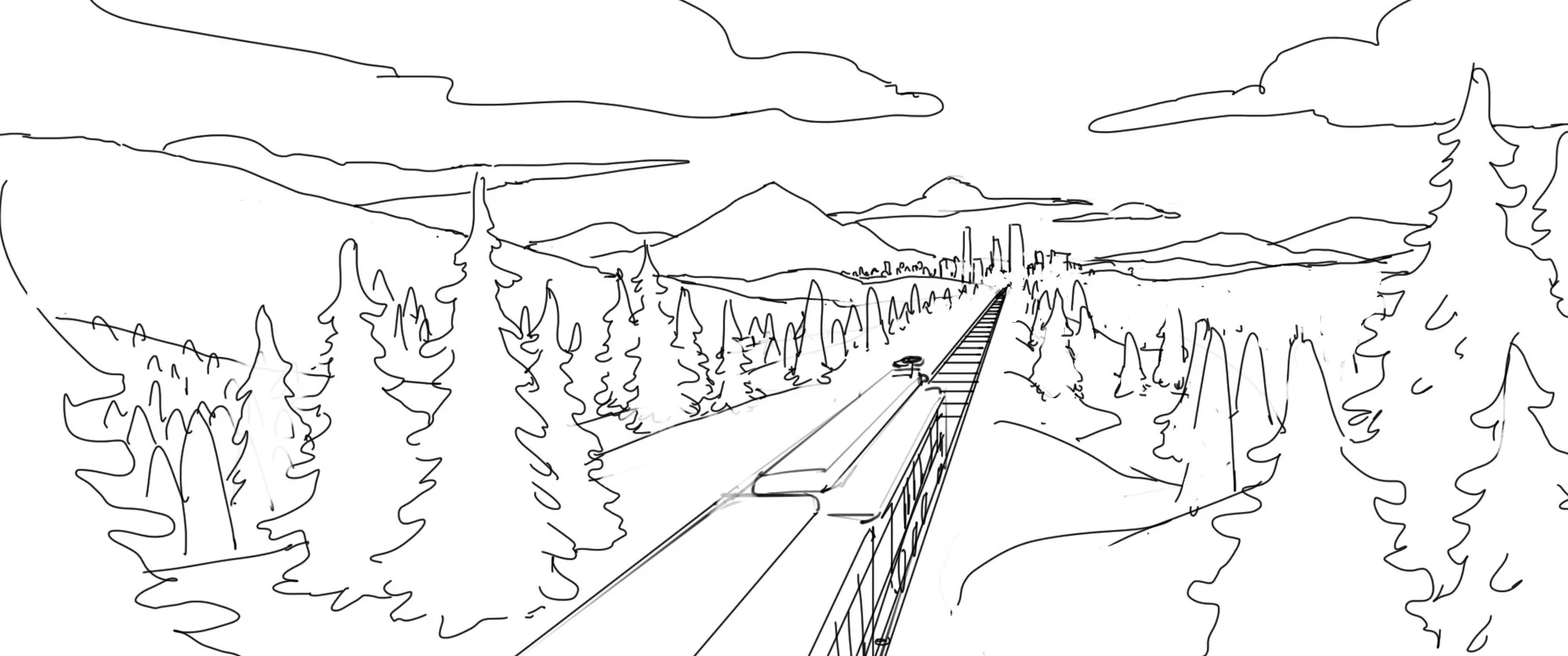
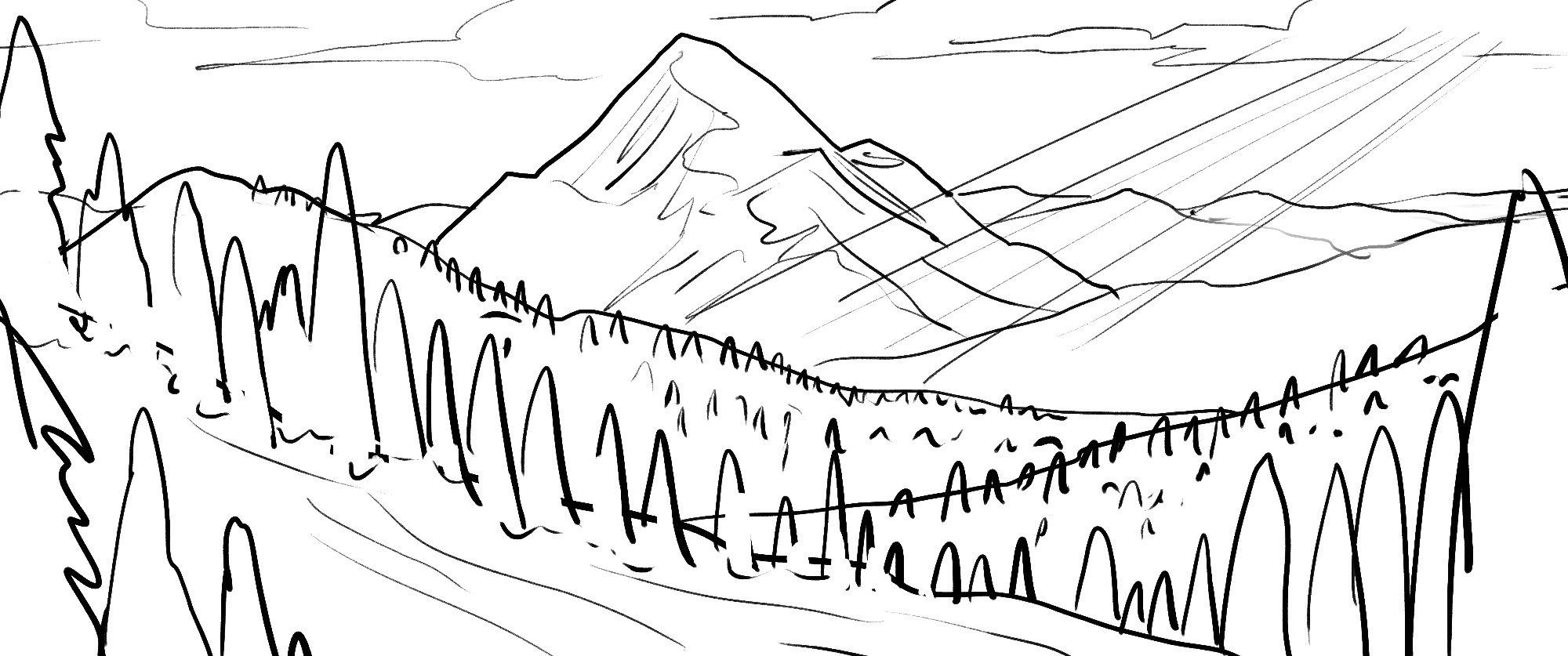
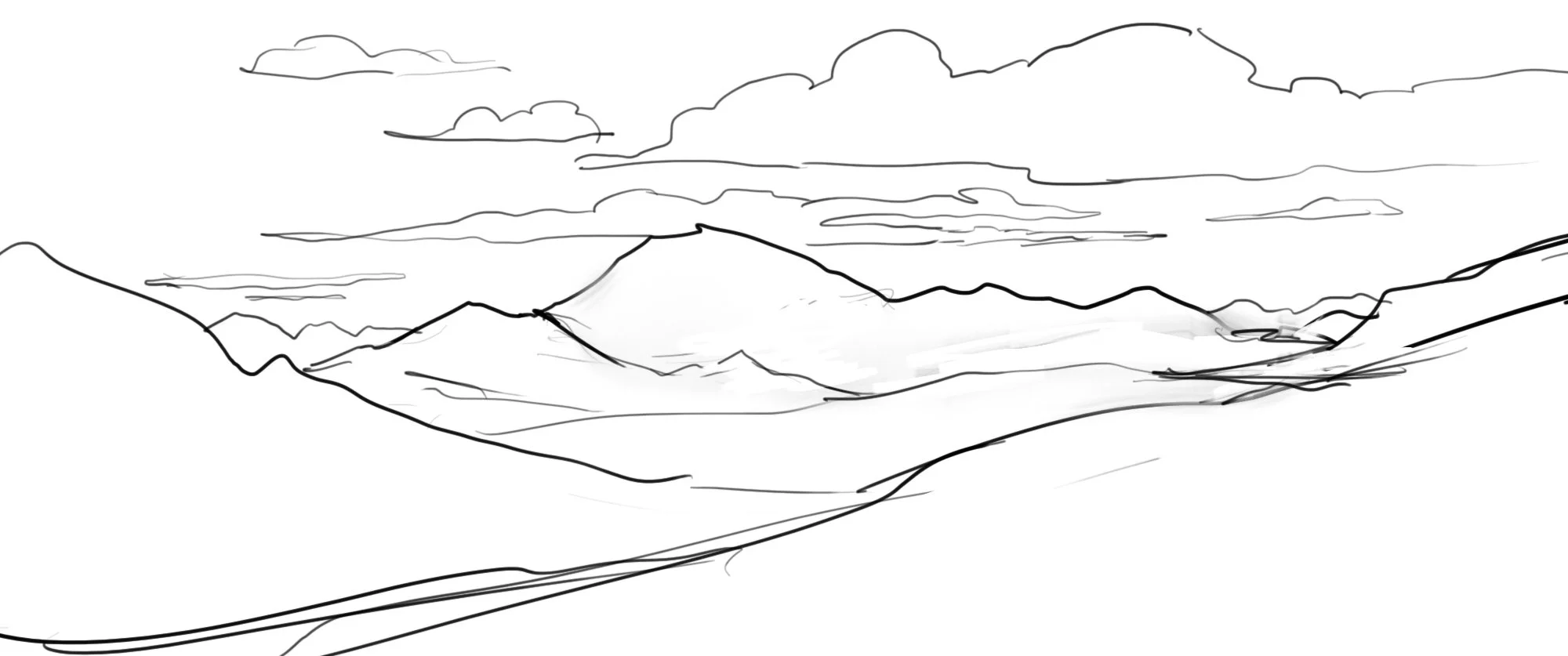
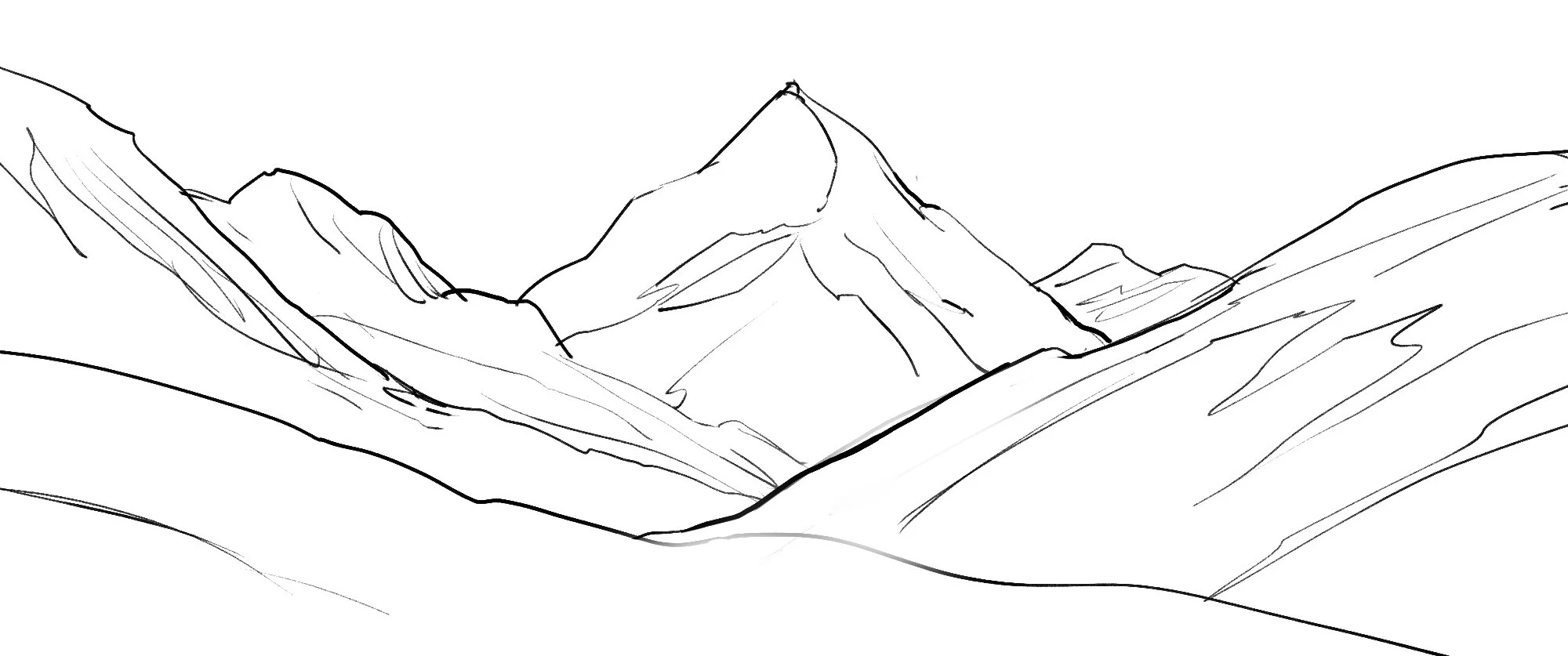
Pitches rarely come with enough budget or time — that's just the reality. On this one, I started with some loose drawings and let AI close the gap. We turned around a production-ready image fast enough to actually compete, and it landed. The client locked the design on the spot. No revision rounds, straight into production.
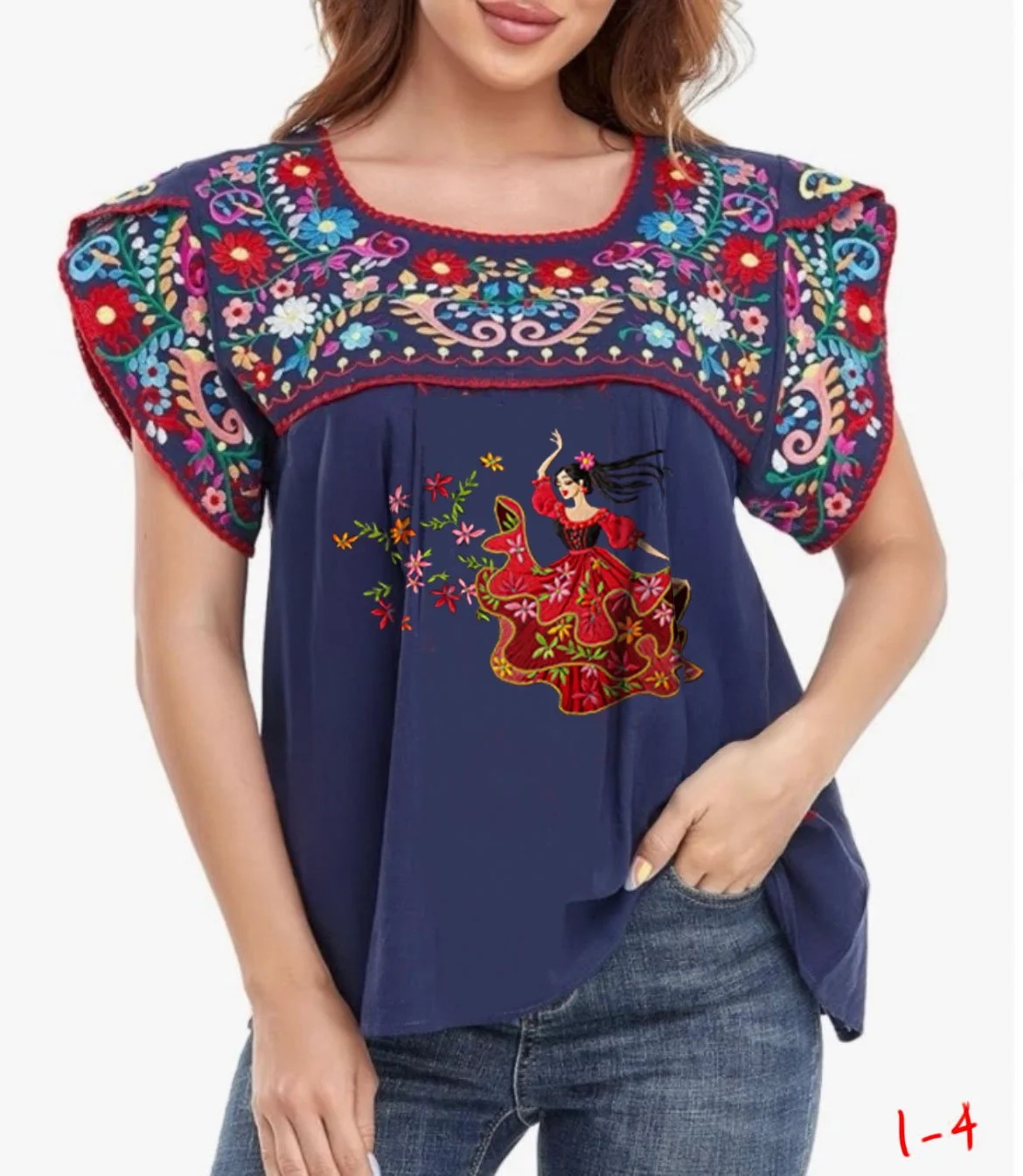
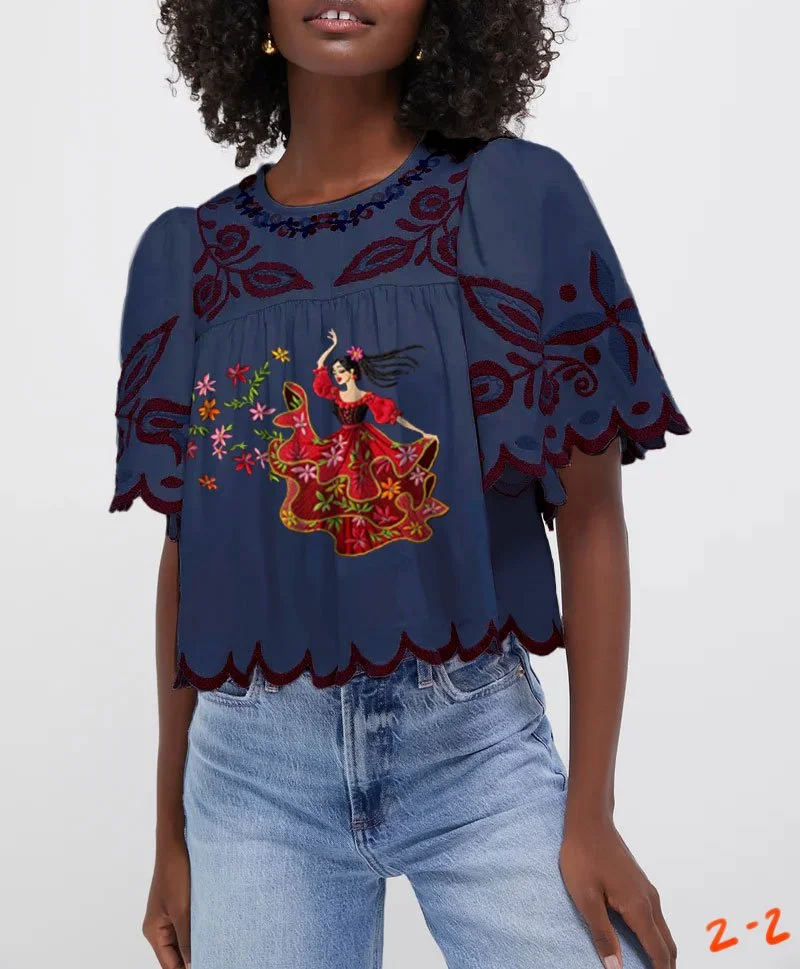
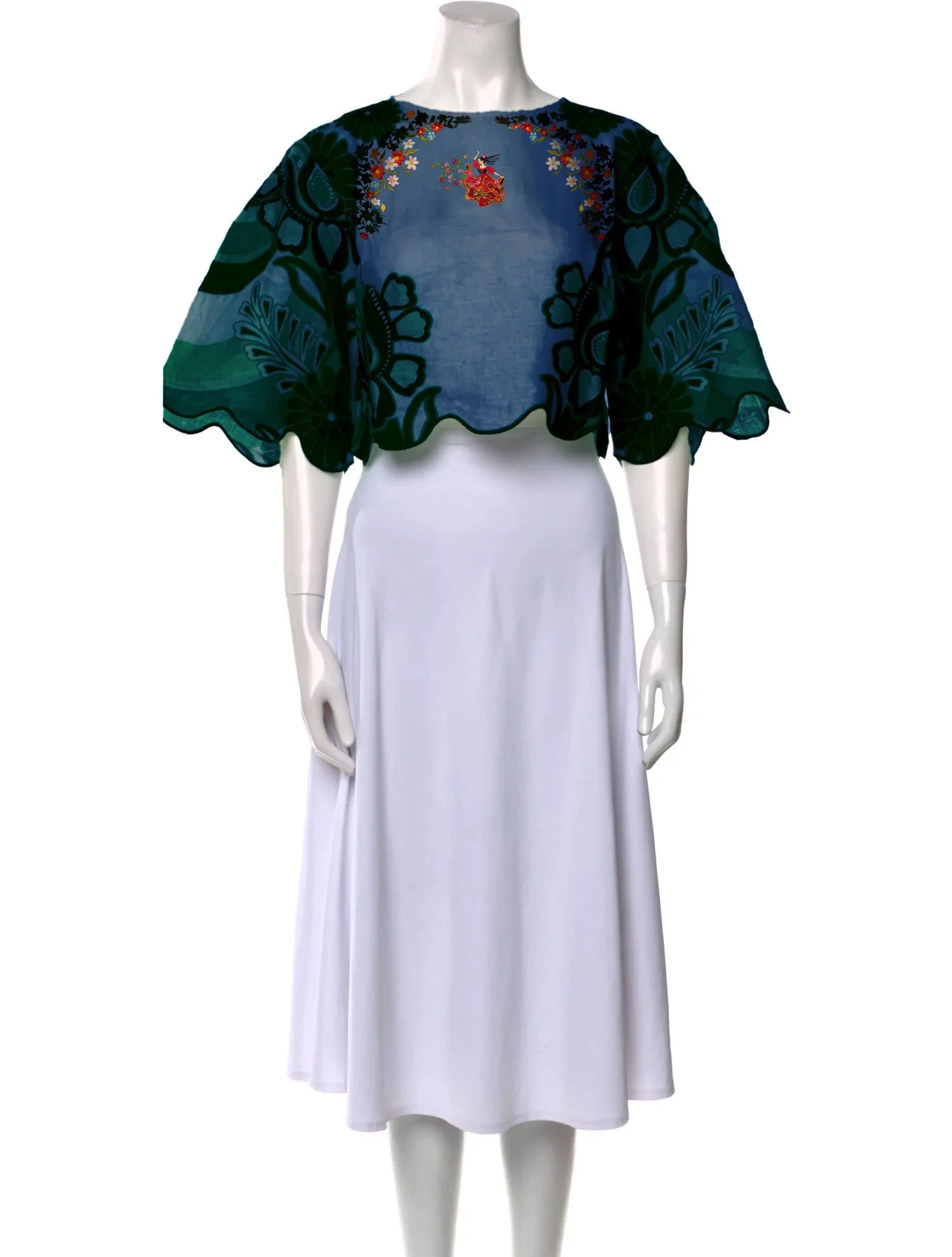
VERIZON
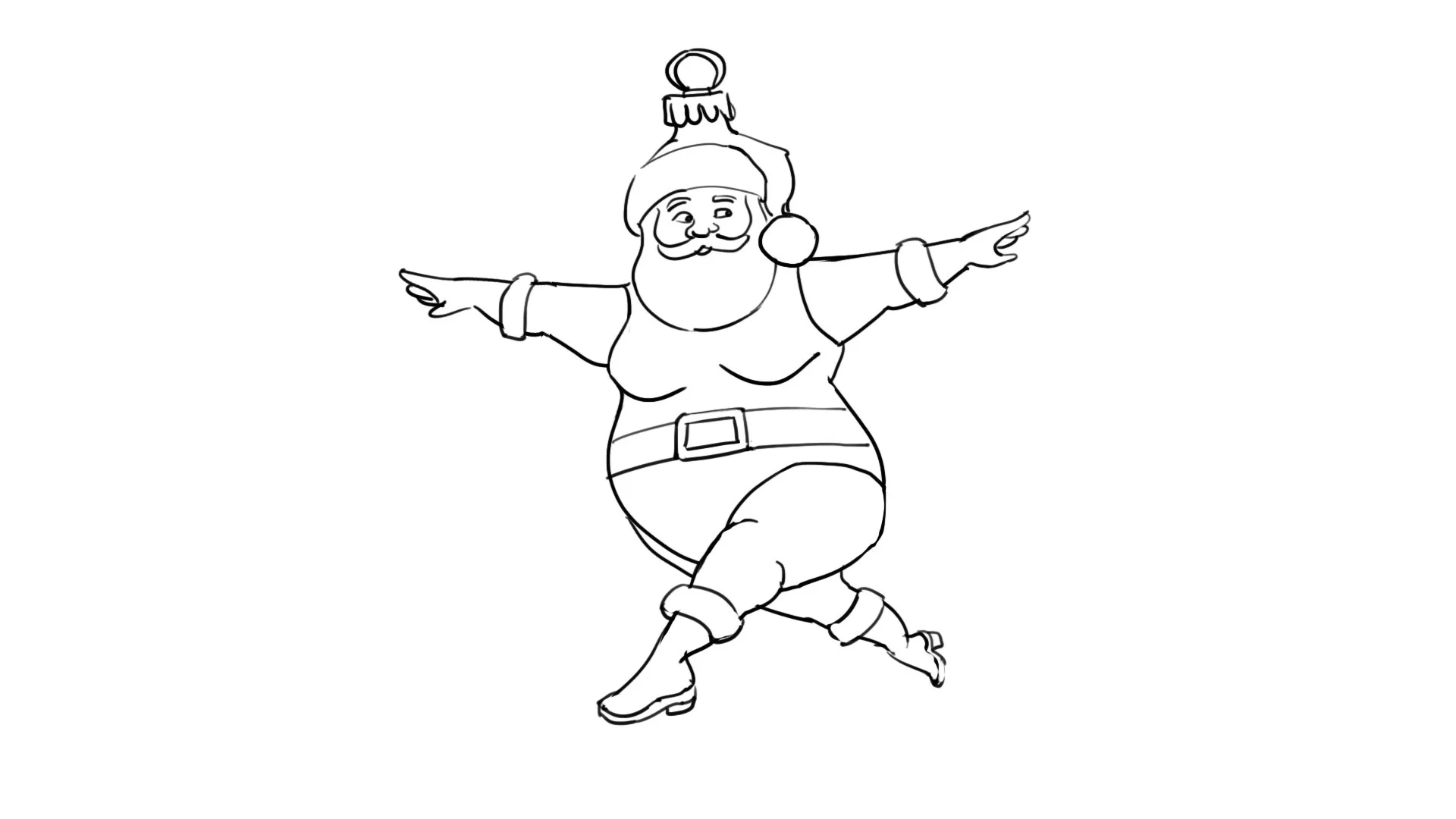
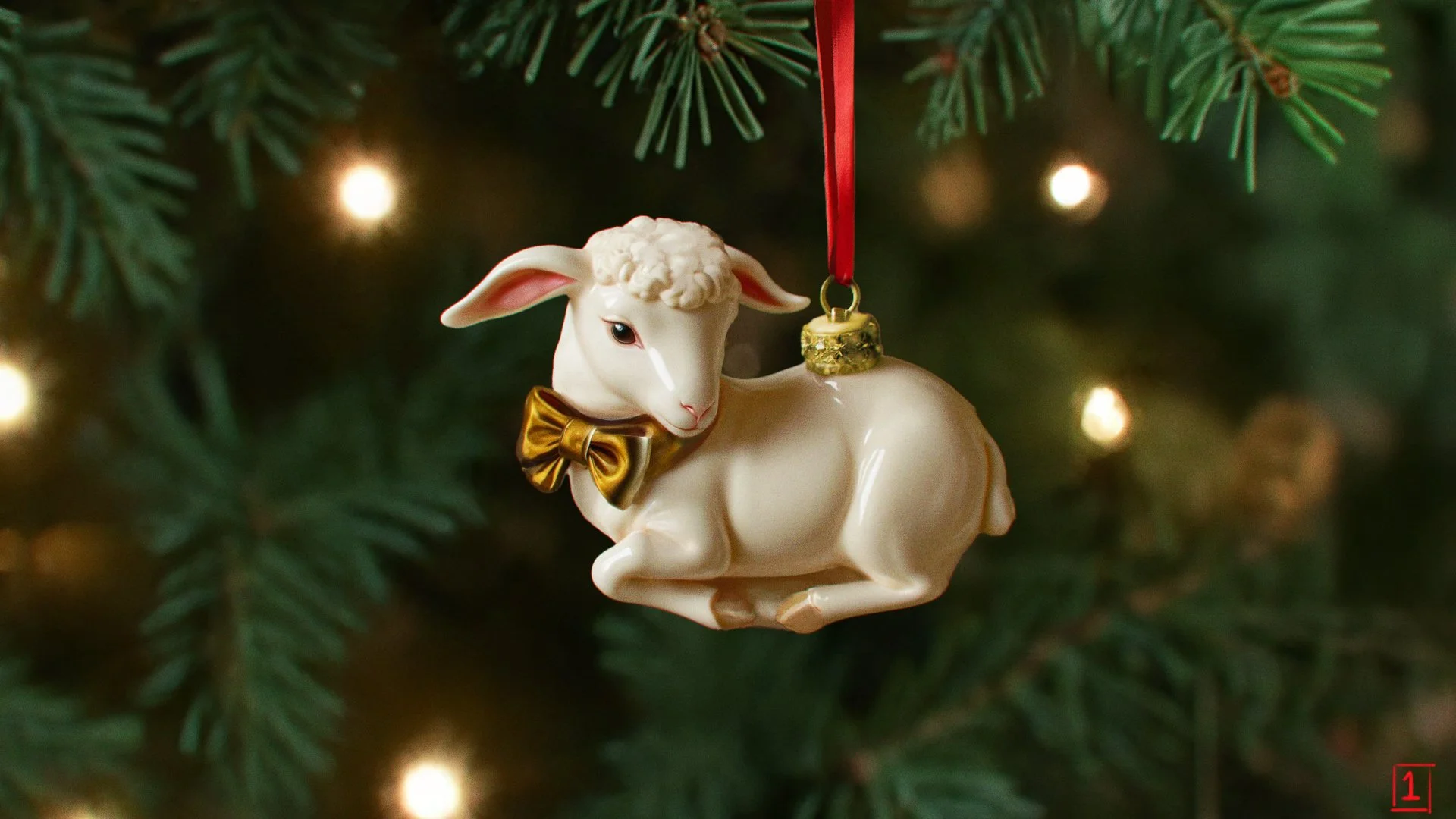
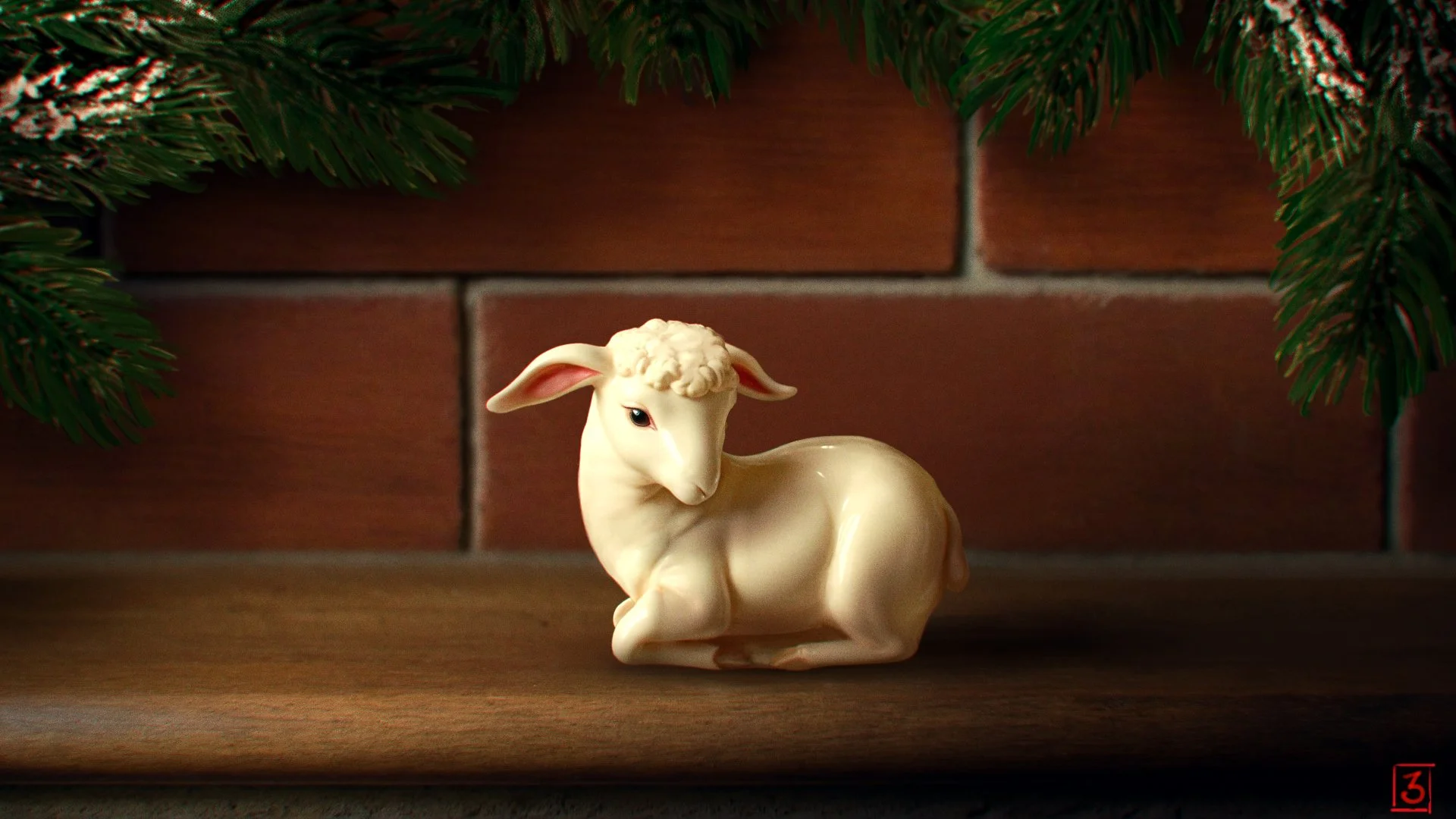
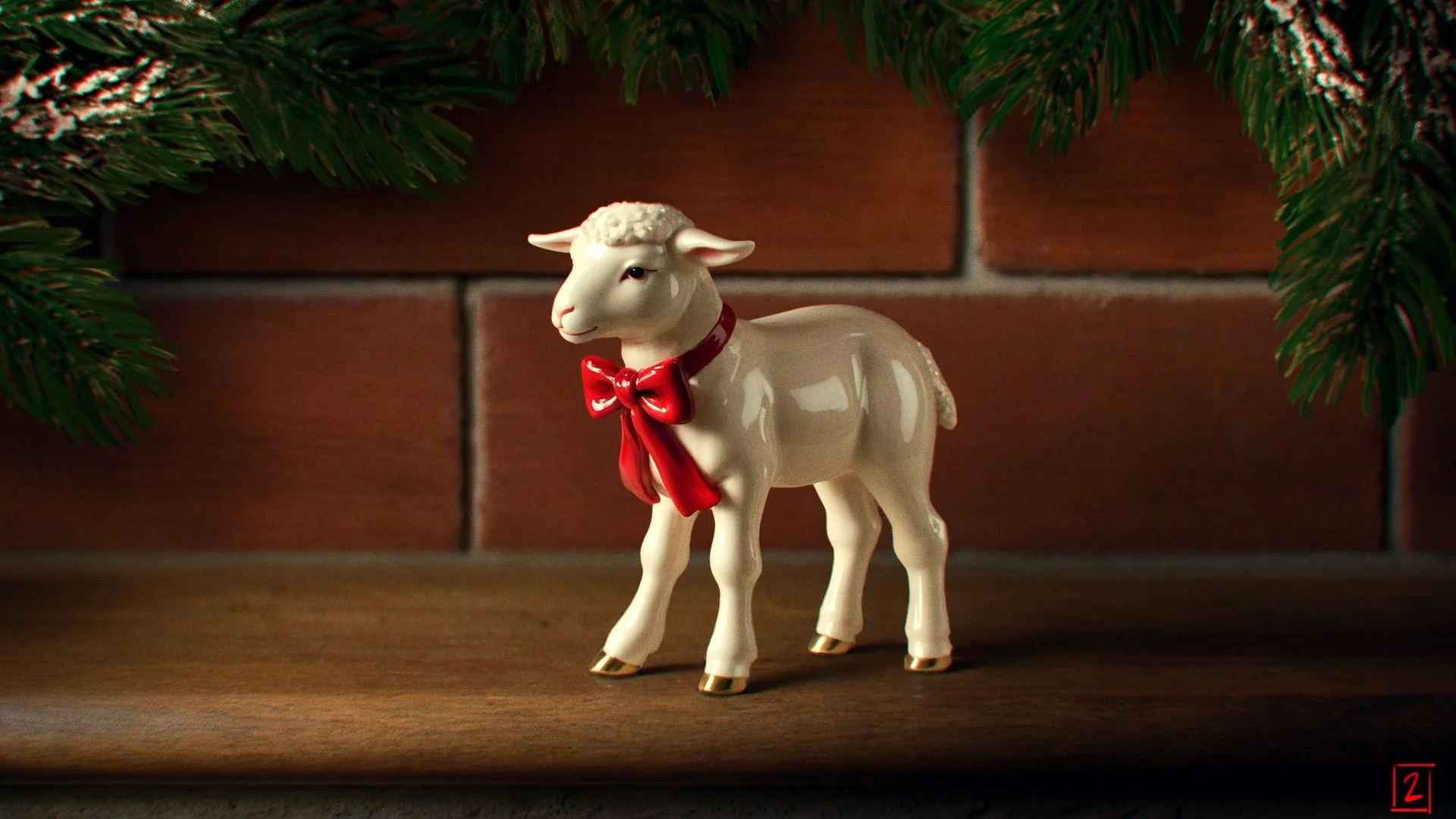
Generic Christmas ornaments would have been straightforward. These weren't. They needed to be humorous, quirky, and slightly unsettling — which is a much harder brief to hit consistently. Same goes for the face on the boxers. I used drawing to nail the silhouettes and visual language, then AI to generate variations from there.

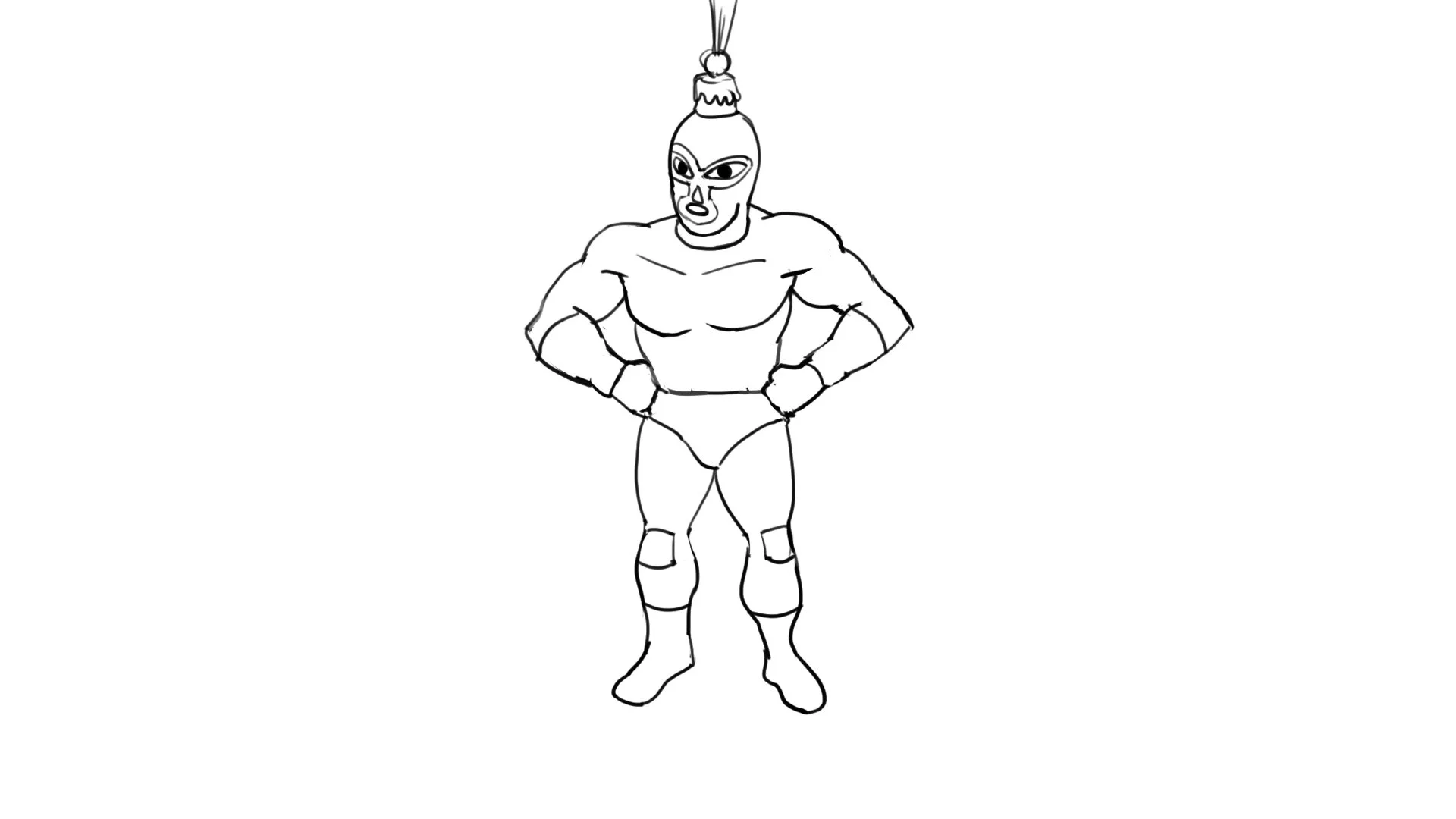

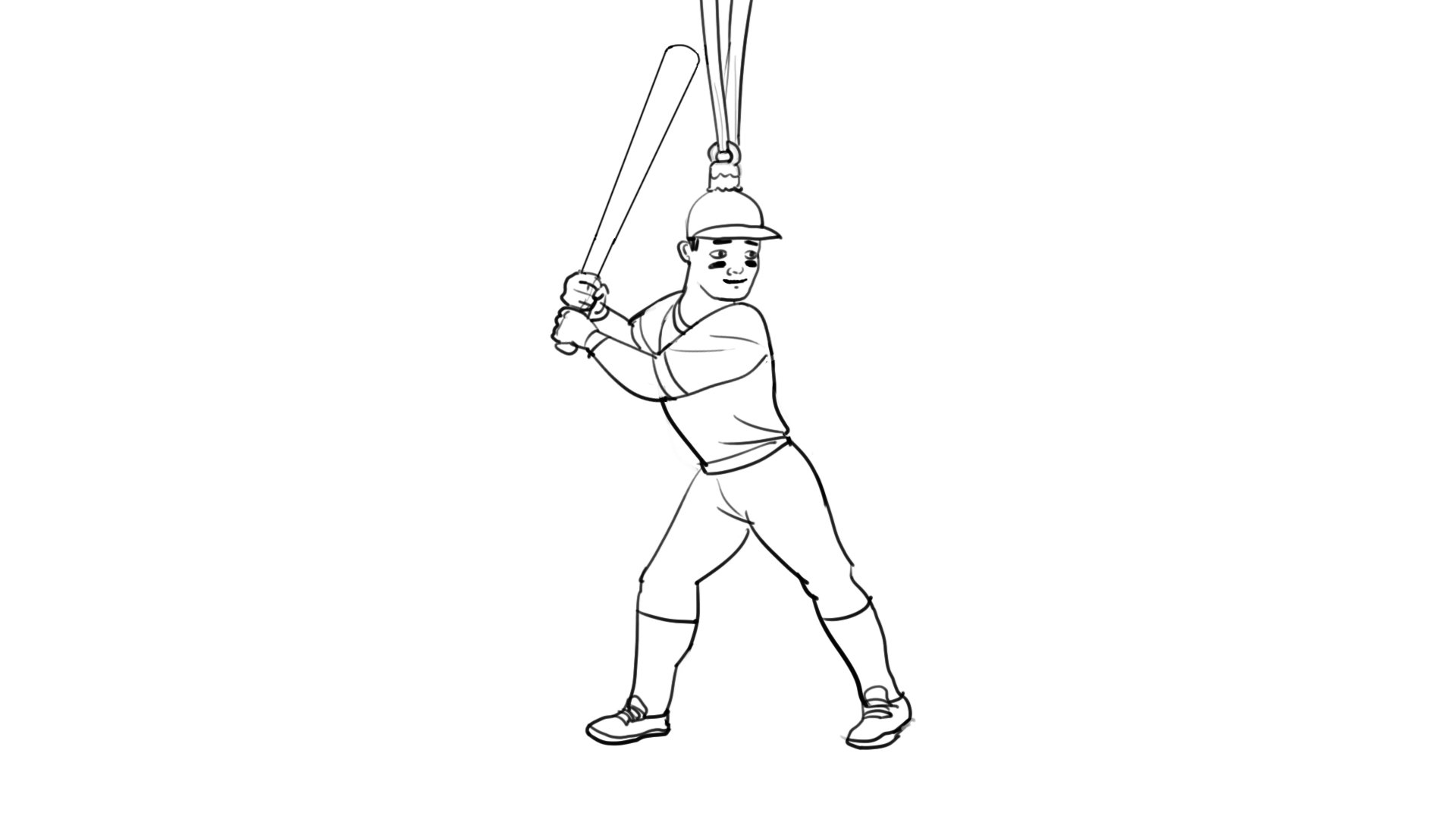

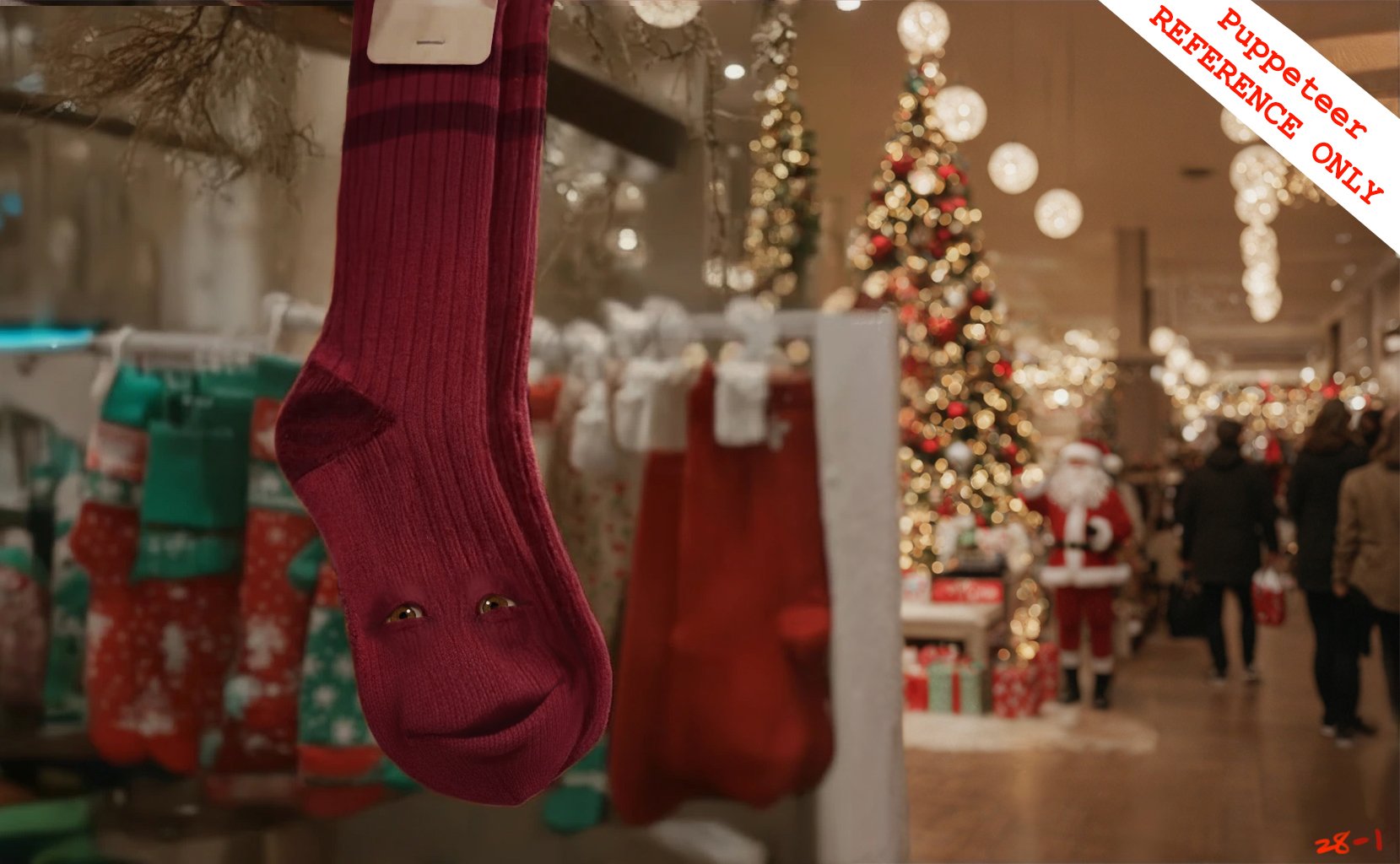
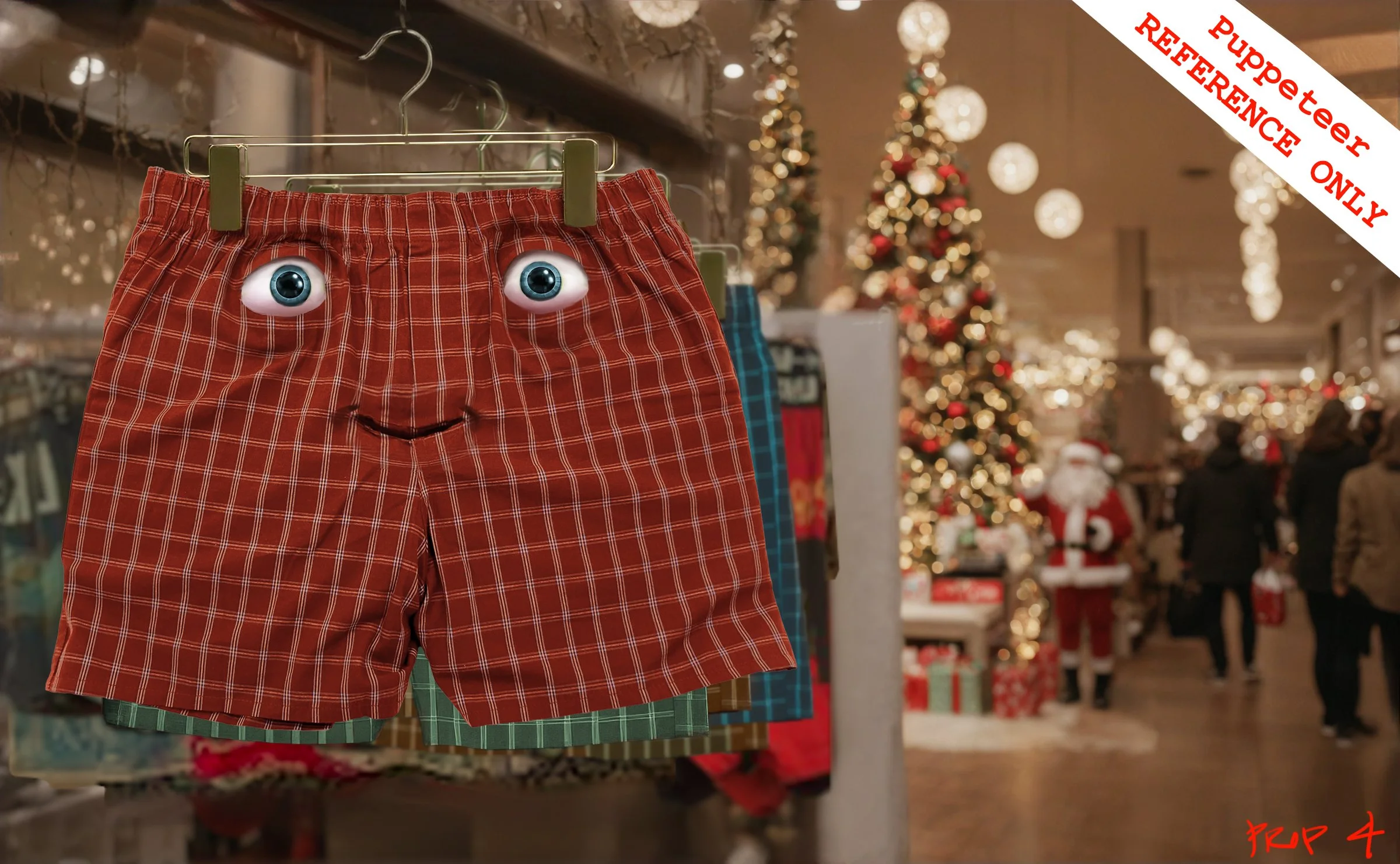
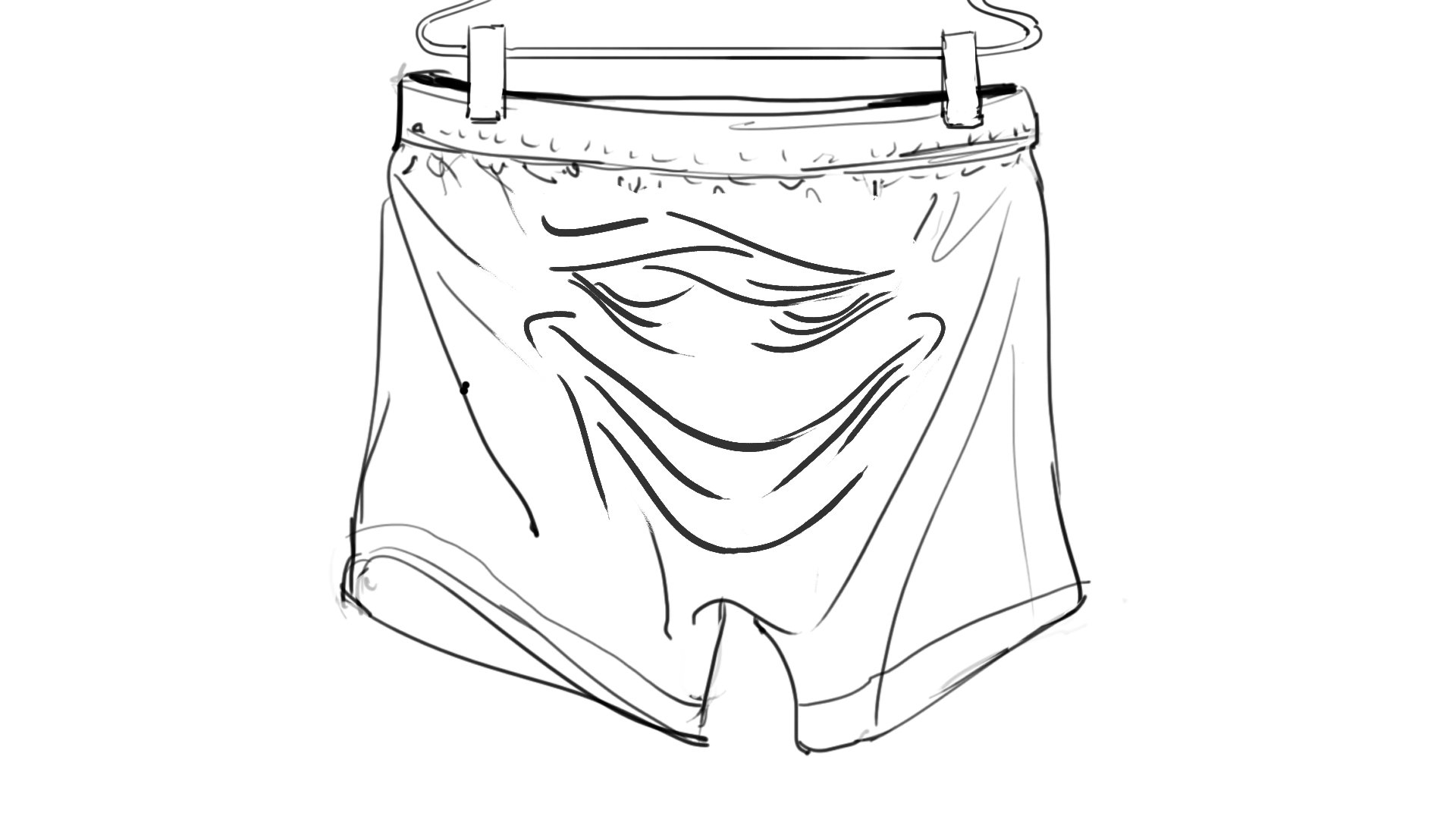
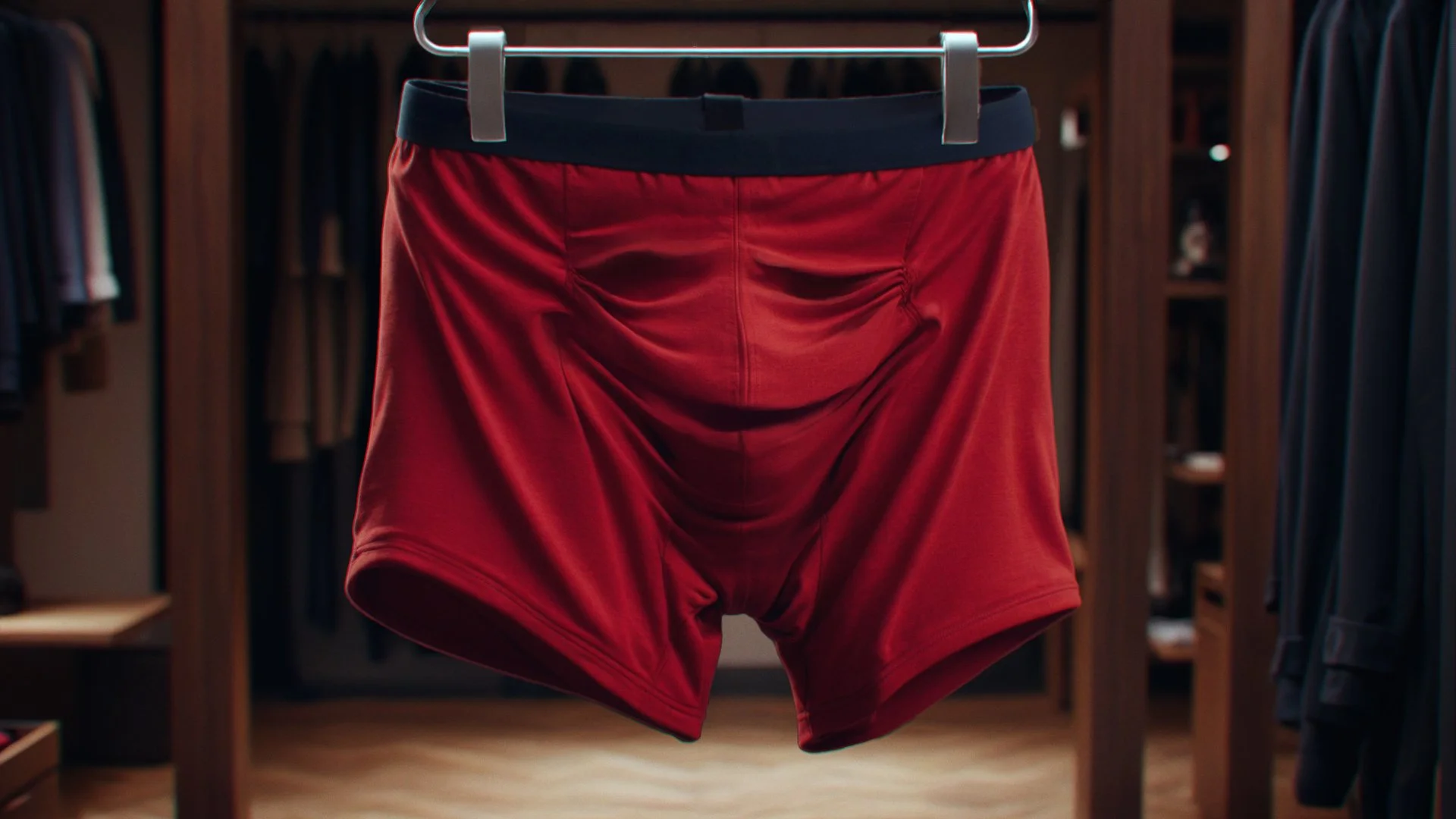
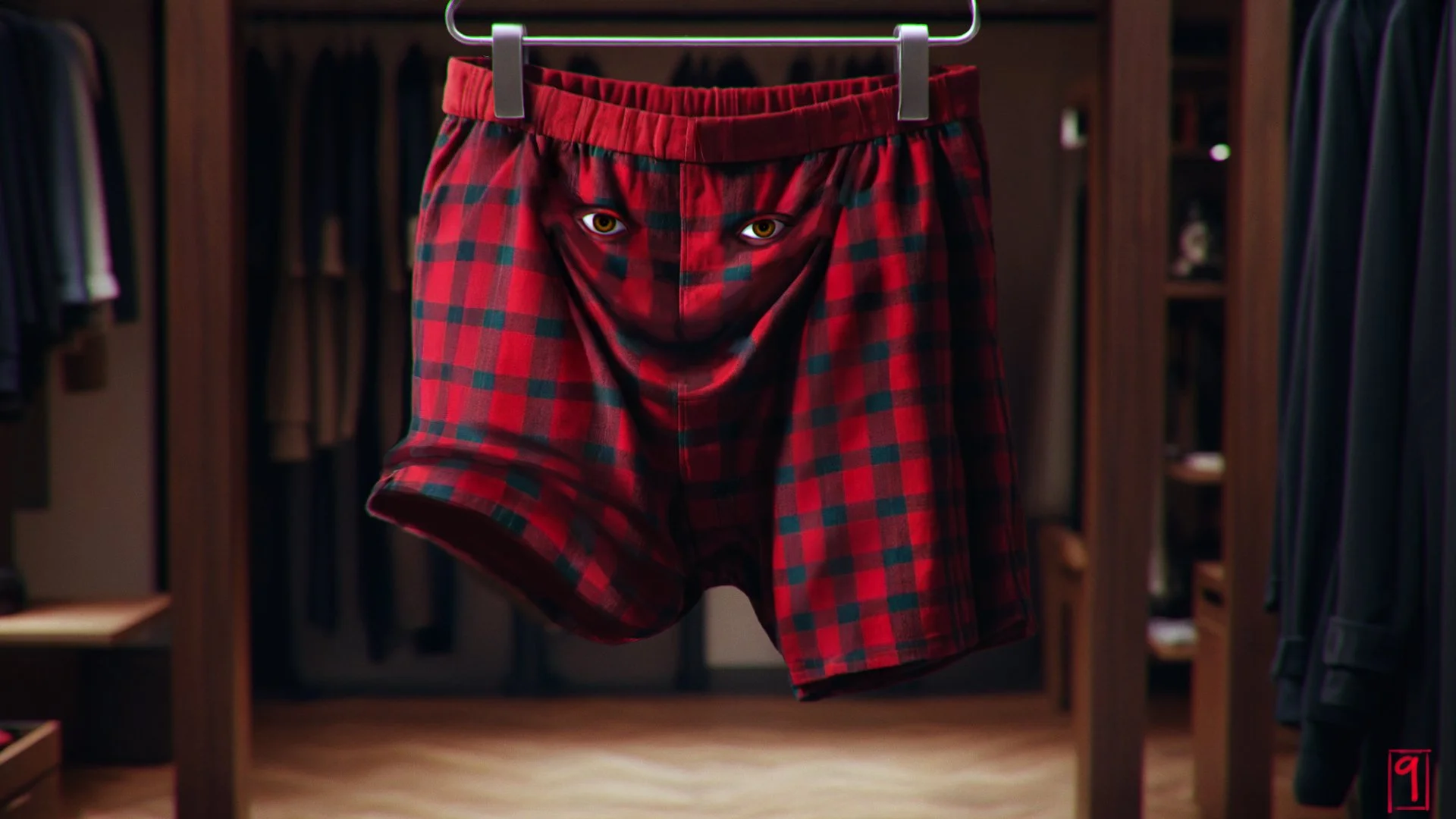
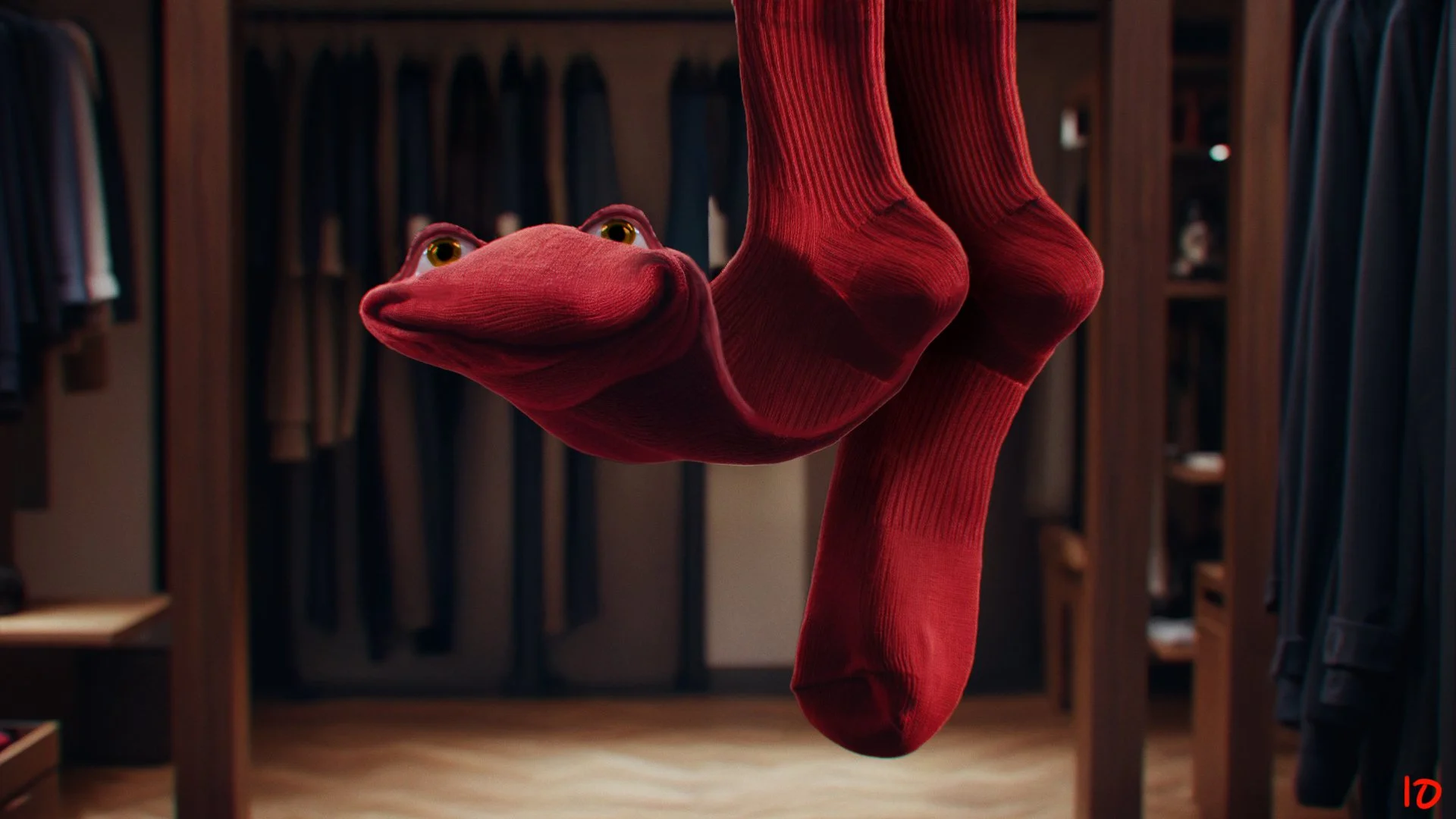
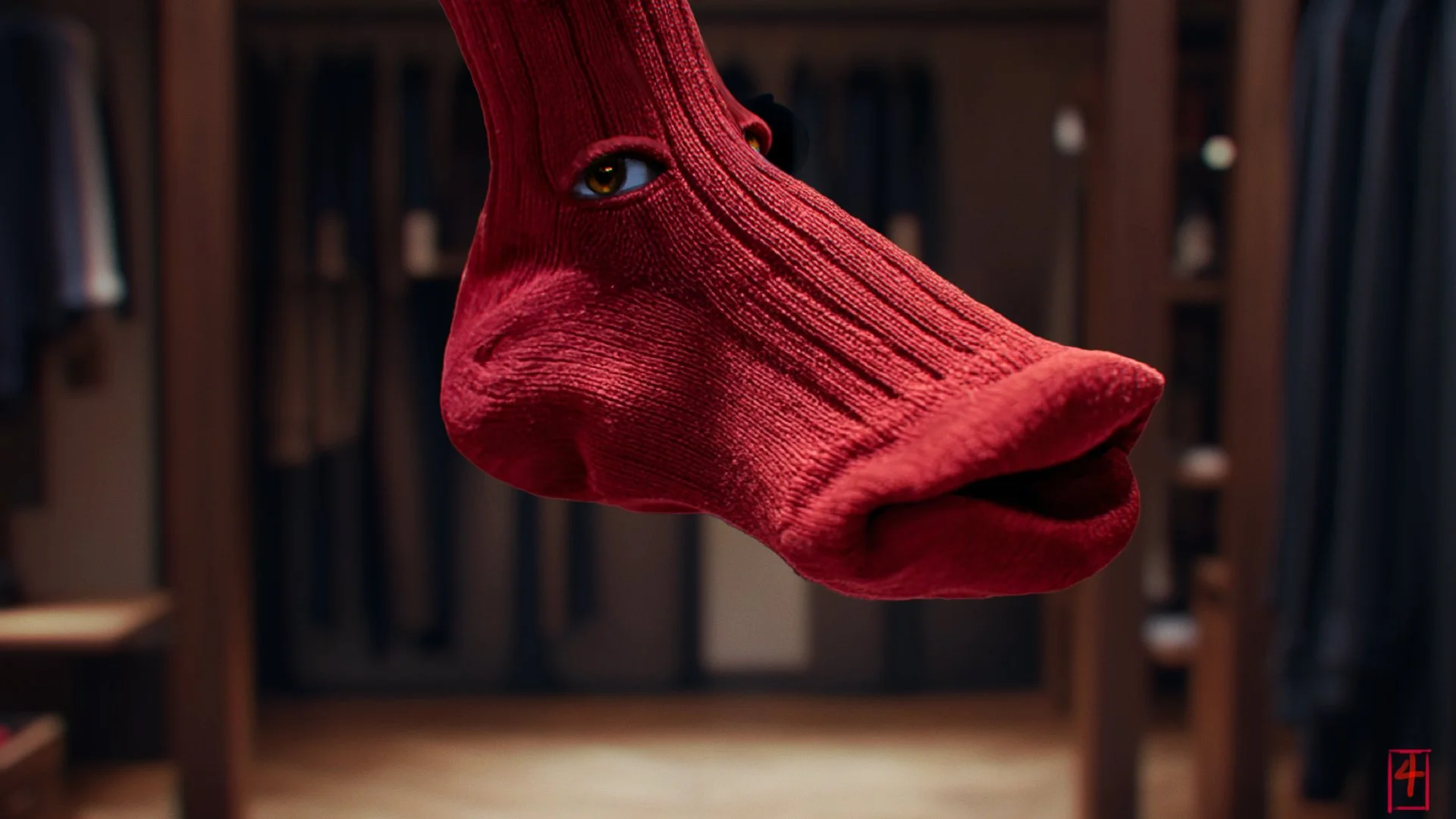
PROMPT/REFERENCE FRAMEWORK
The Beauty (TV series)
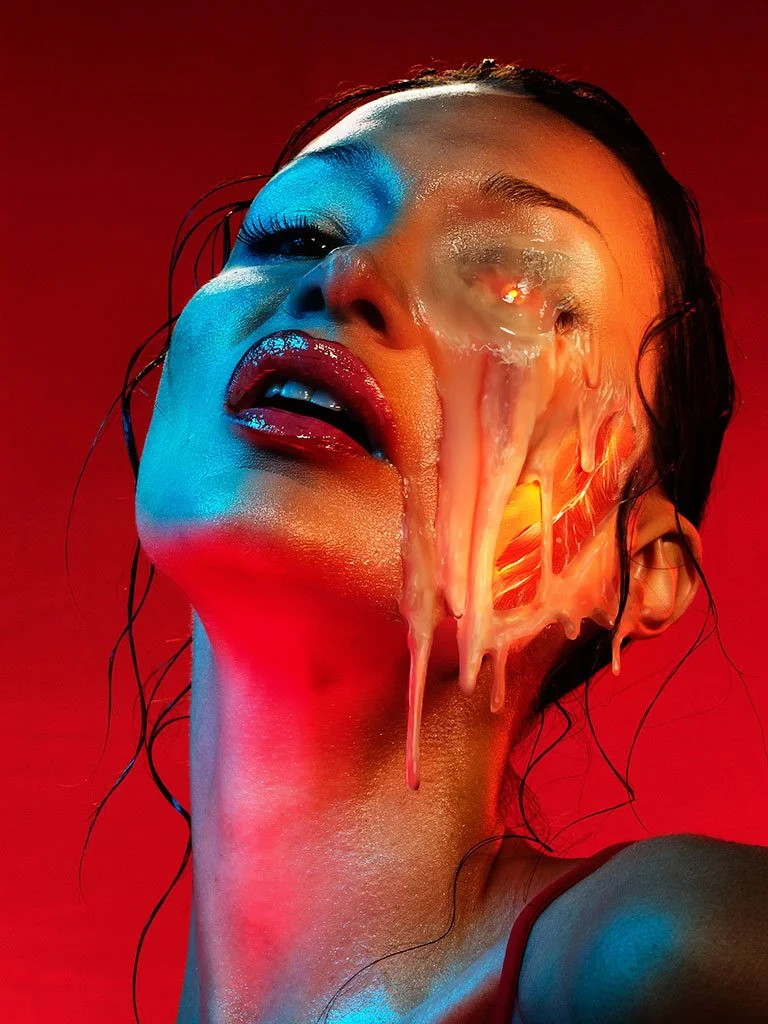
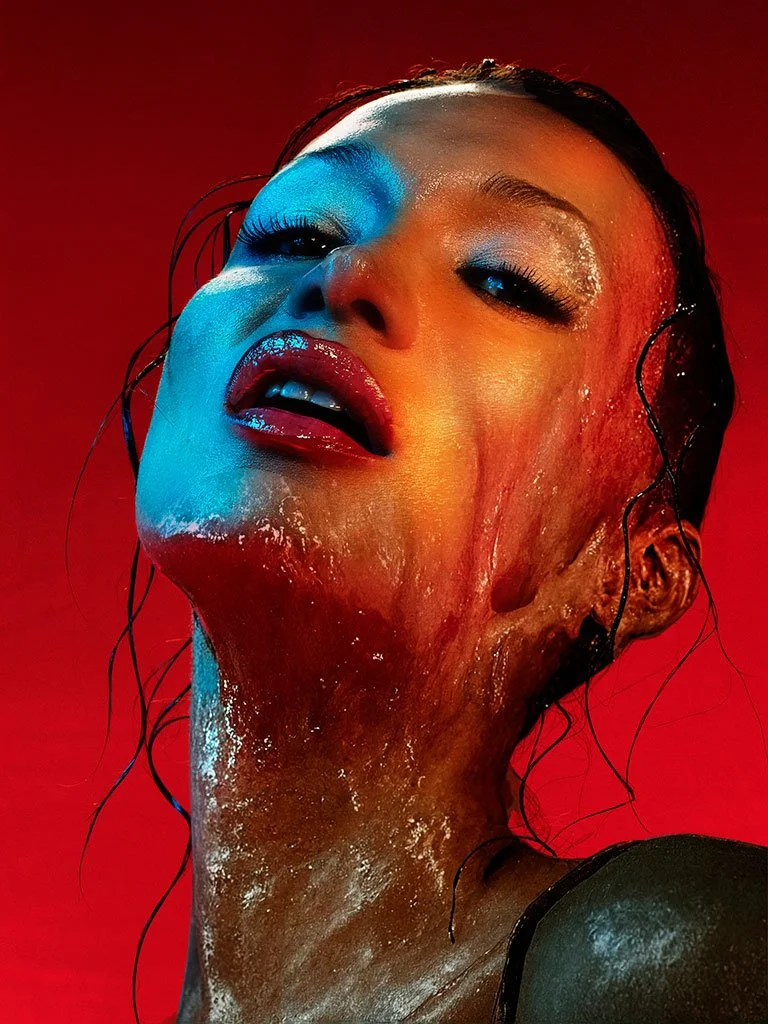
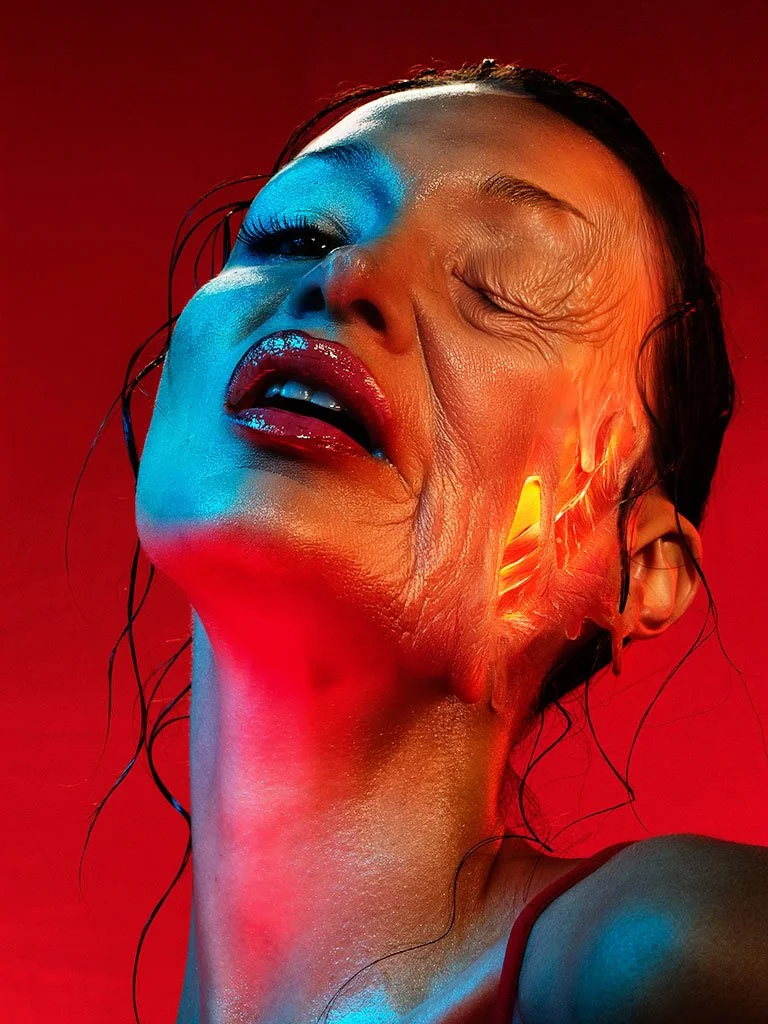
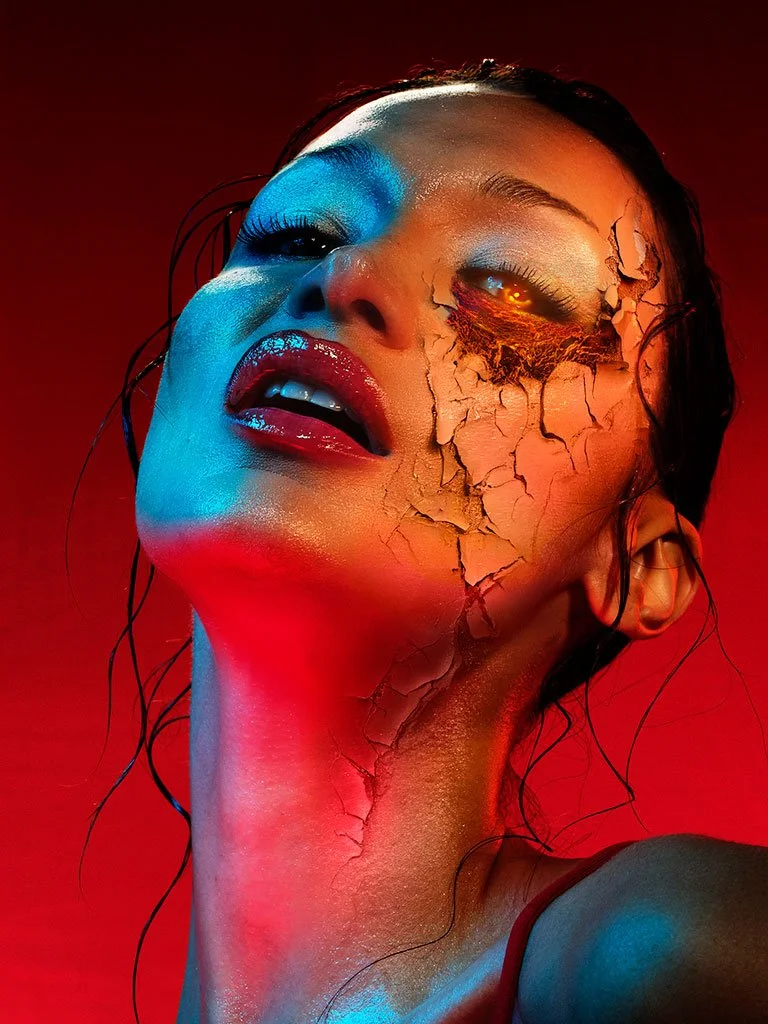
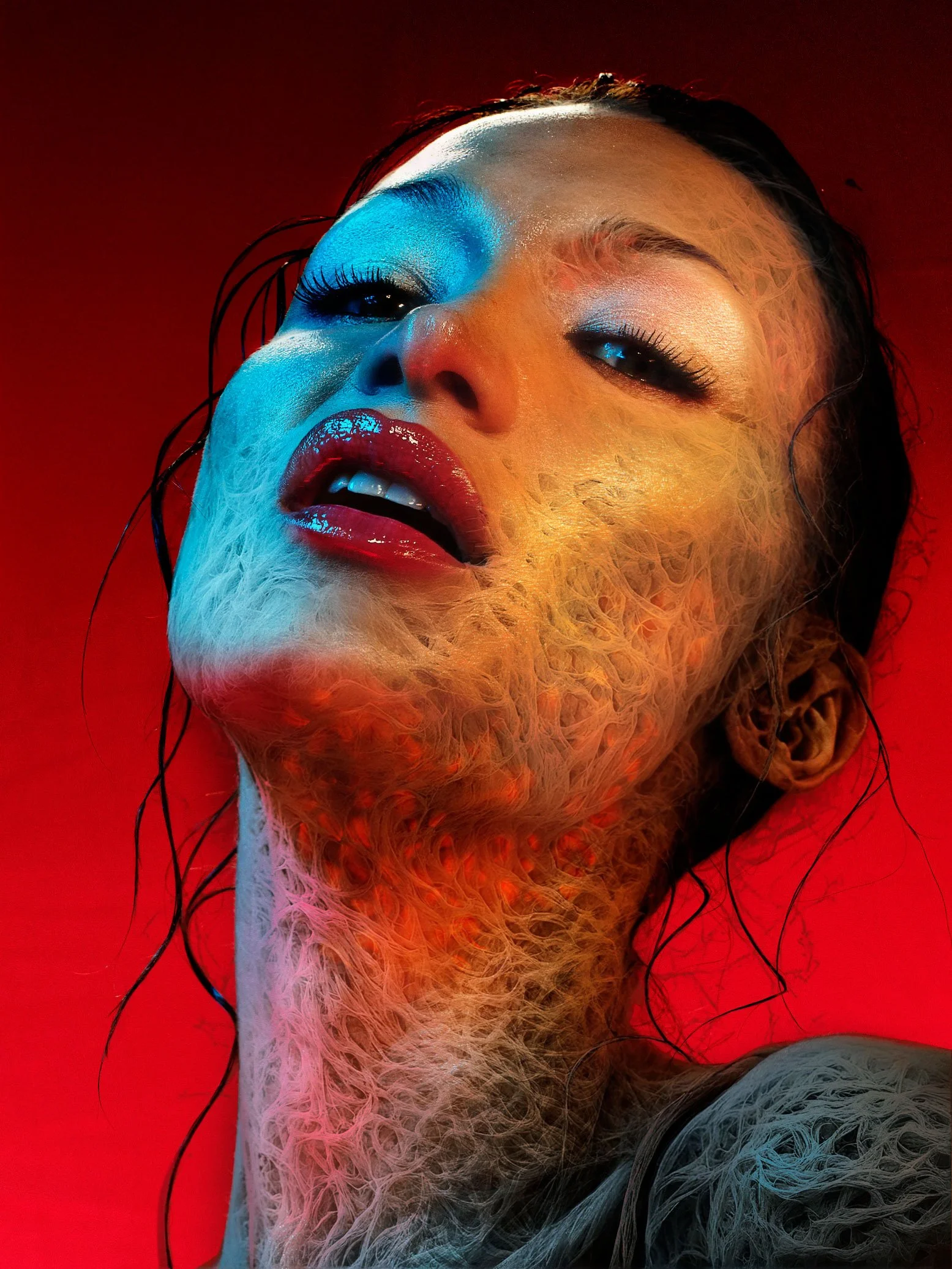
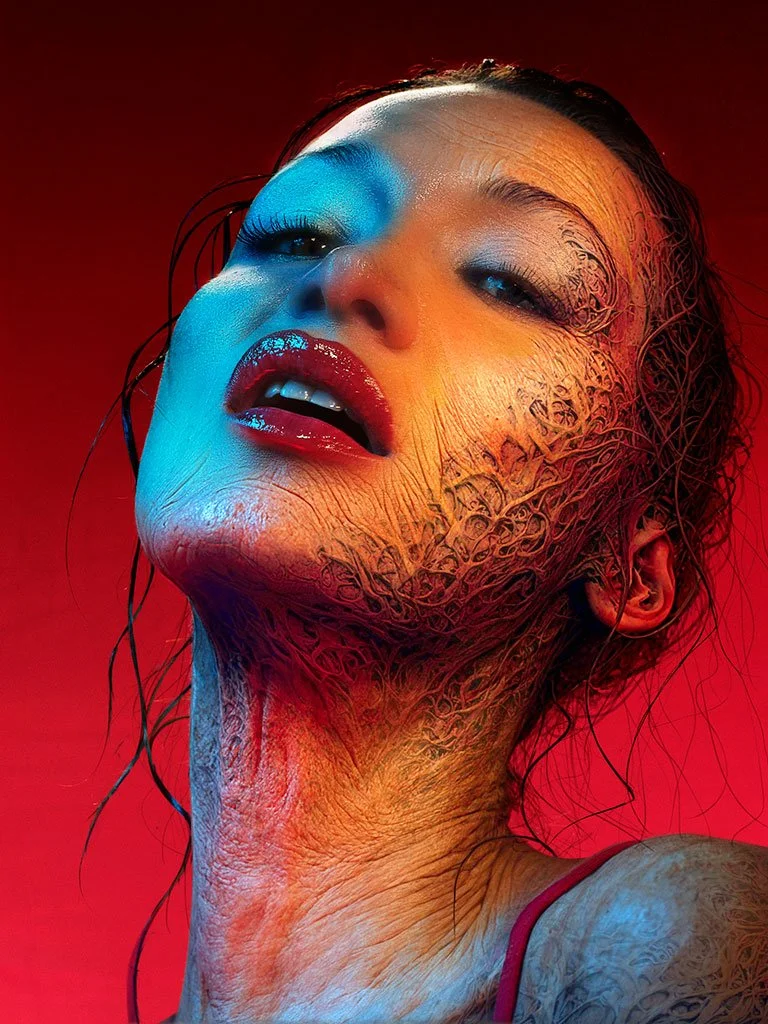
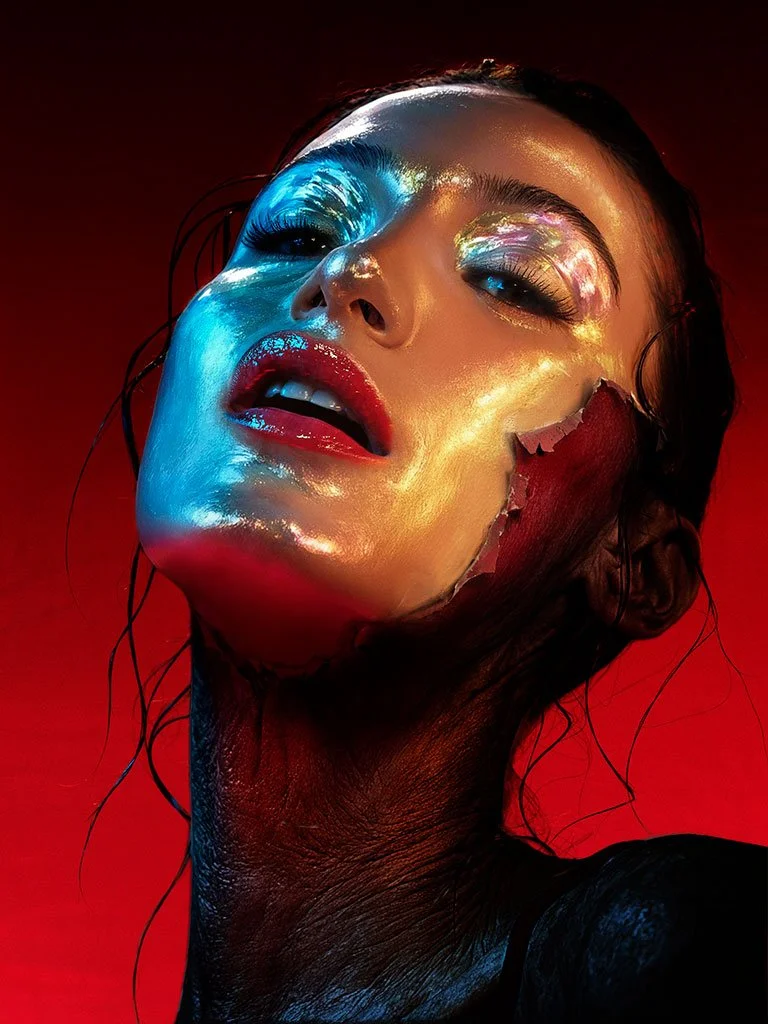
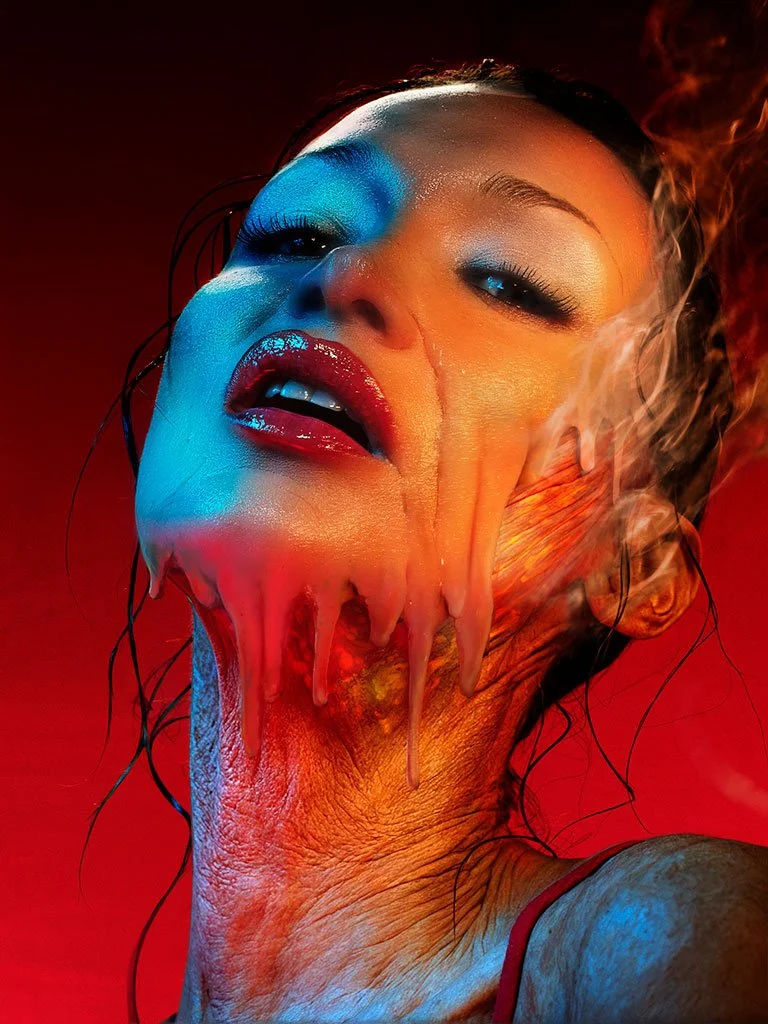
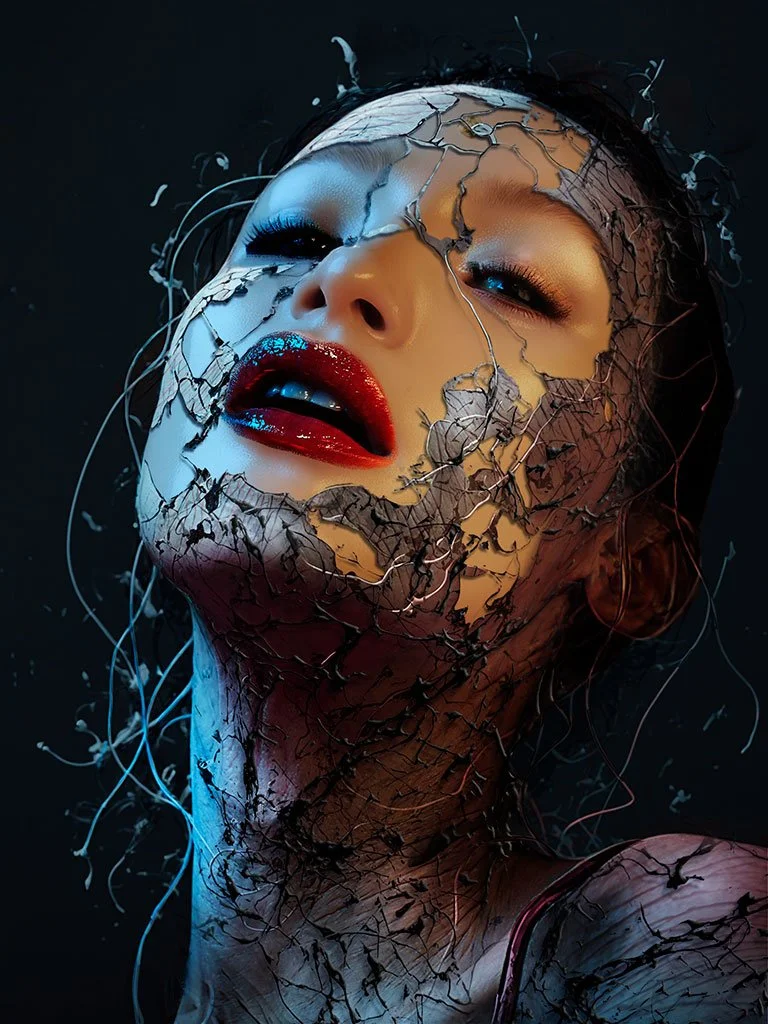
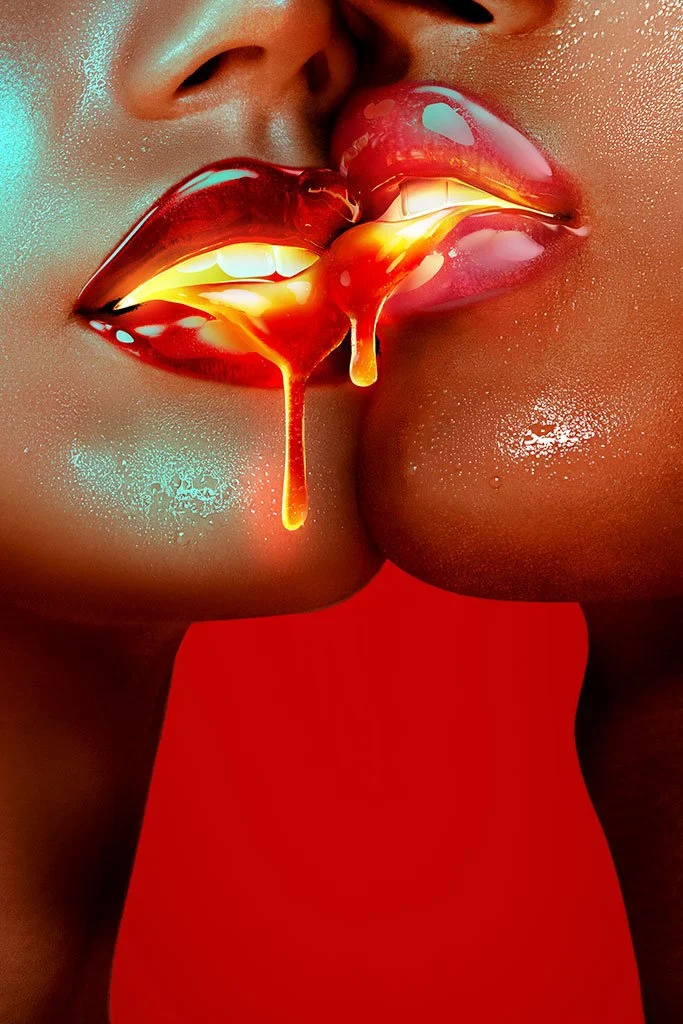
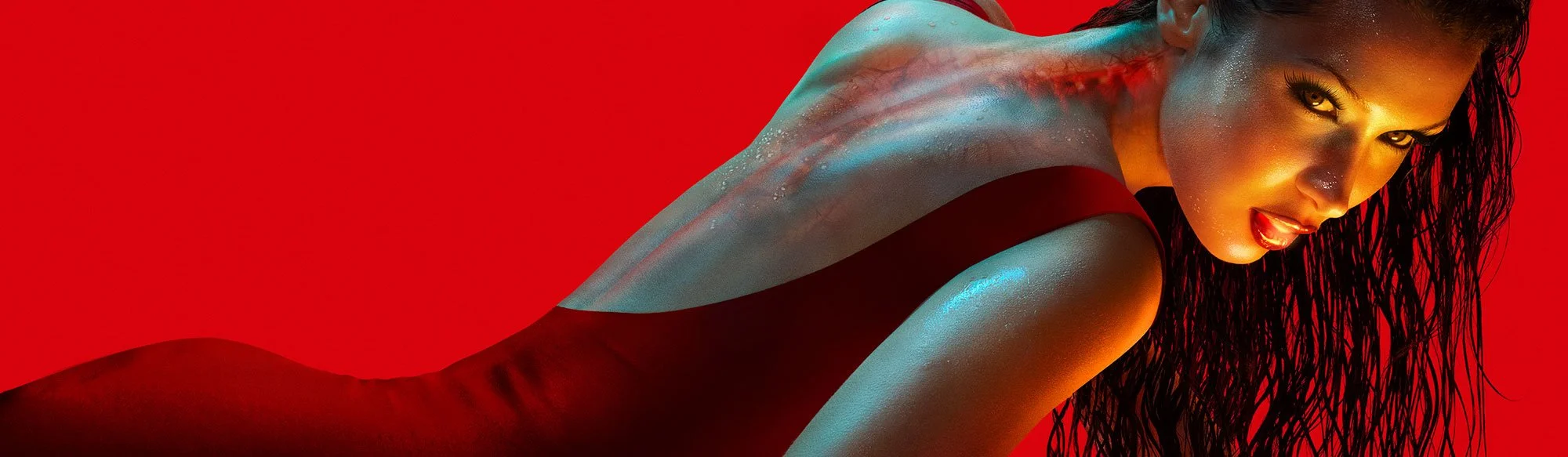
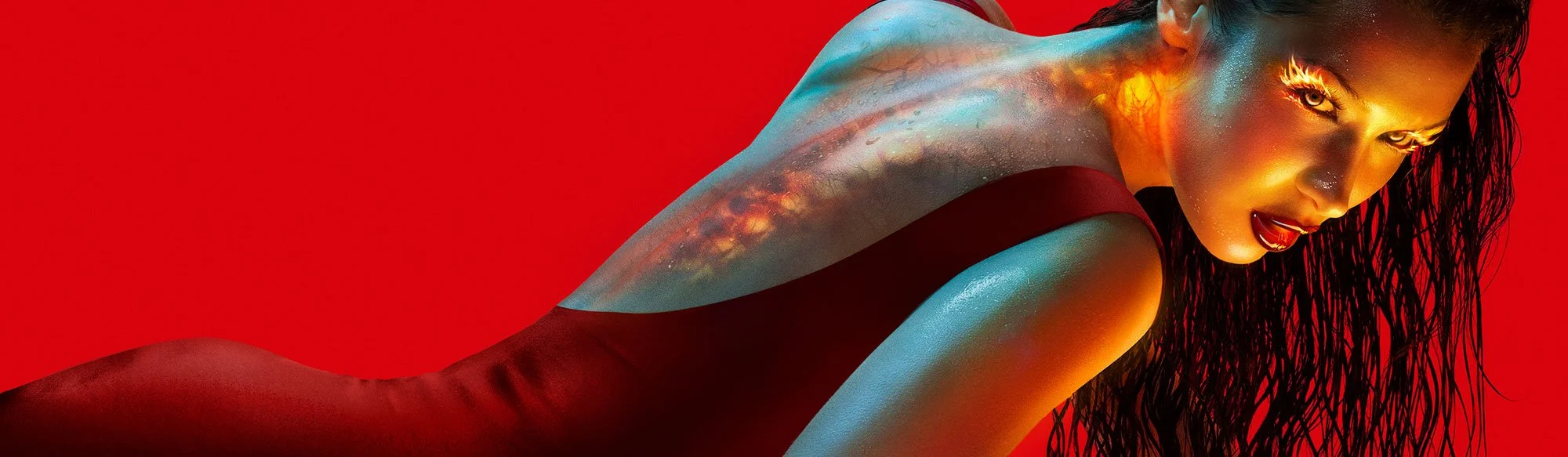
FX has a well-earned reputation for grotesquely beautiful poster work. My brief here was to design the skin condition caused by a sexually transmitted treatment called "The Beauty" — which meant finding a specific visual tone: grotesque but beautiful, rooted in the over-processed aesthetic of high fashion photography, pushed further into something surreal. Think hyper-smoothed skin rendered at an impossible resolution, with that particular uncanny quality early AI generative art had before everyone got used to it. I used AI to blend references against Bella Hadid's photograph, then took it the rest of the way in Photoshop by hand.
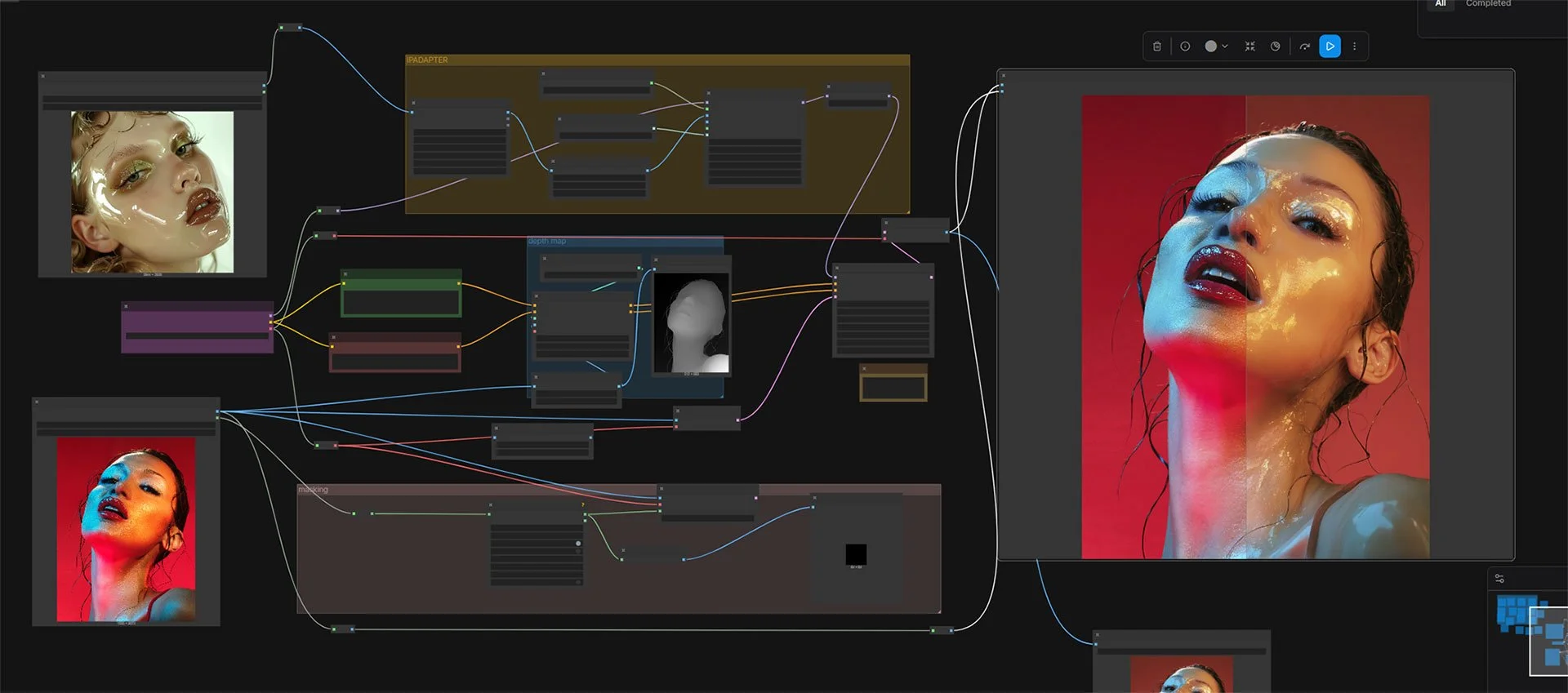
CORCEPT
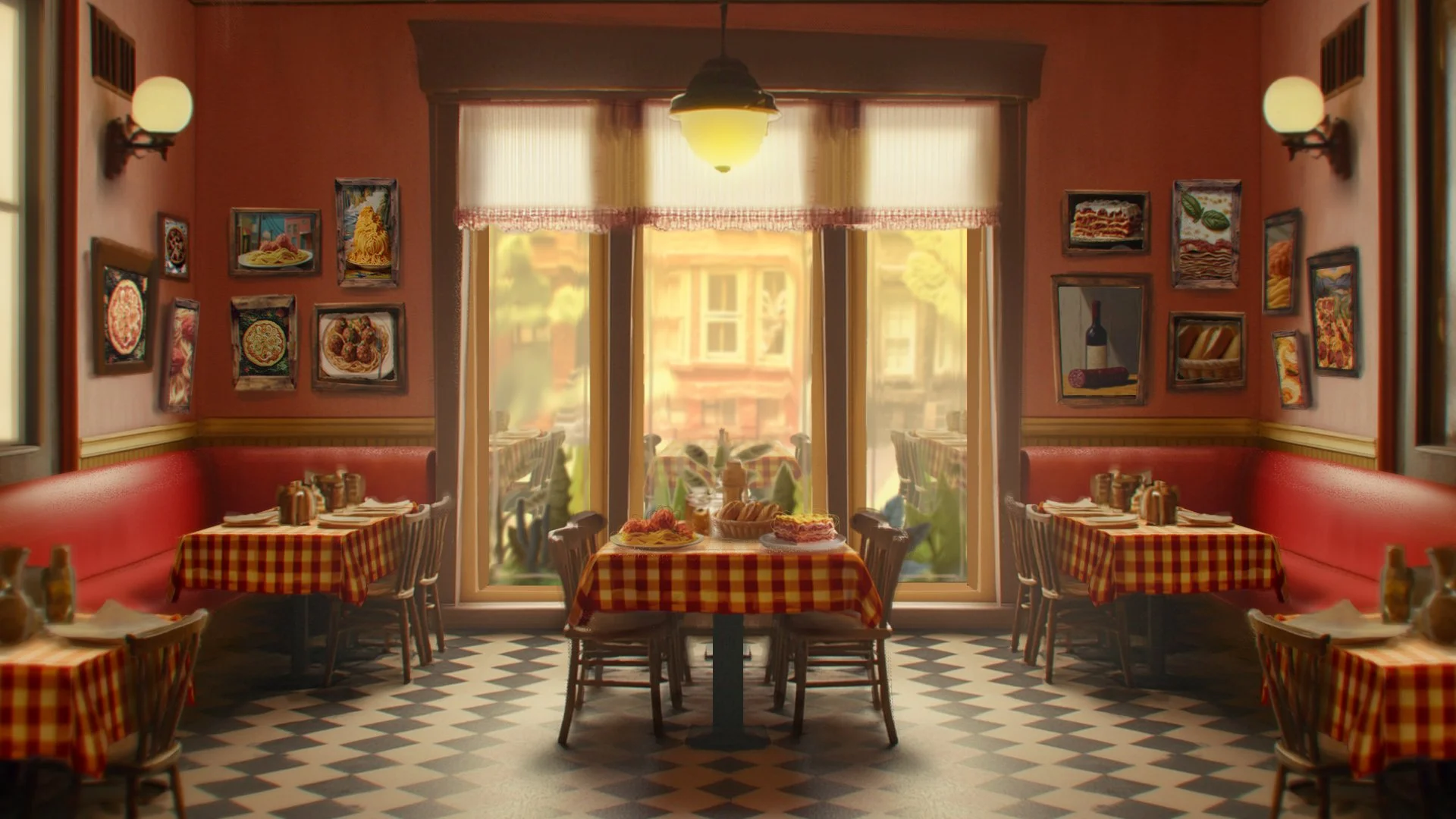
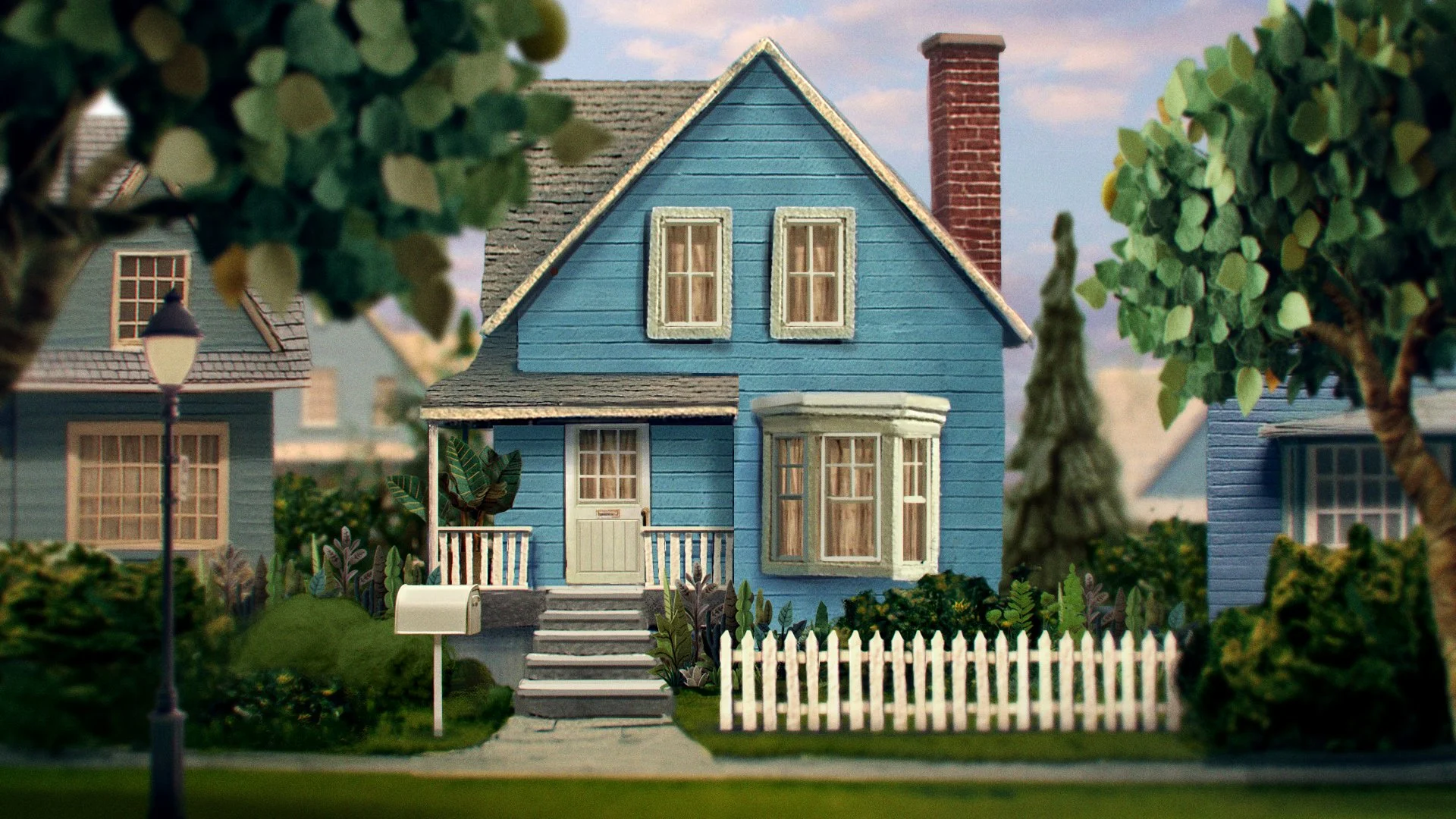
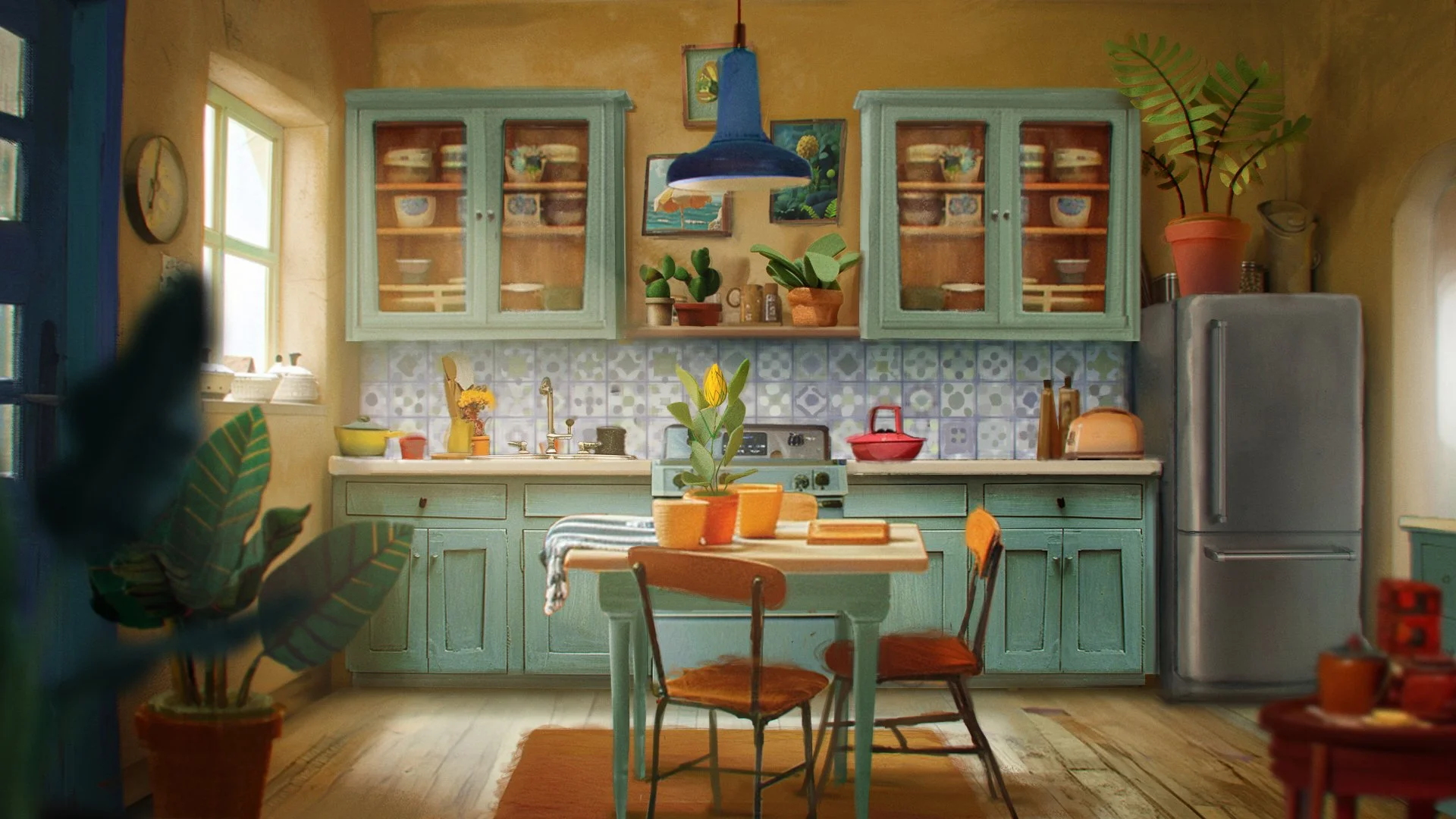
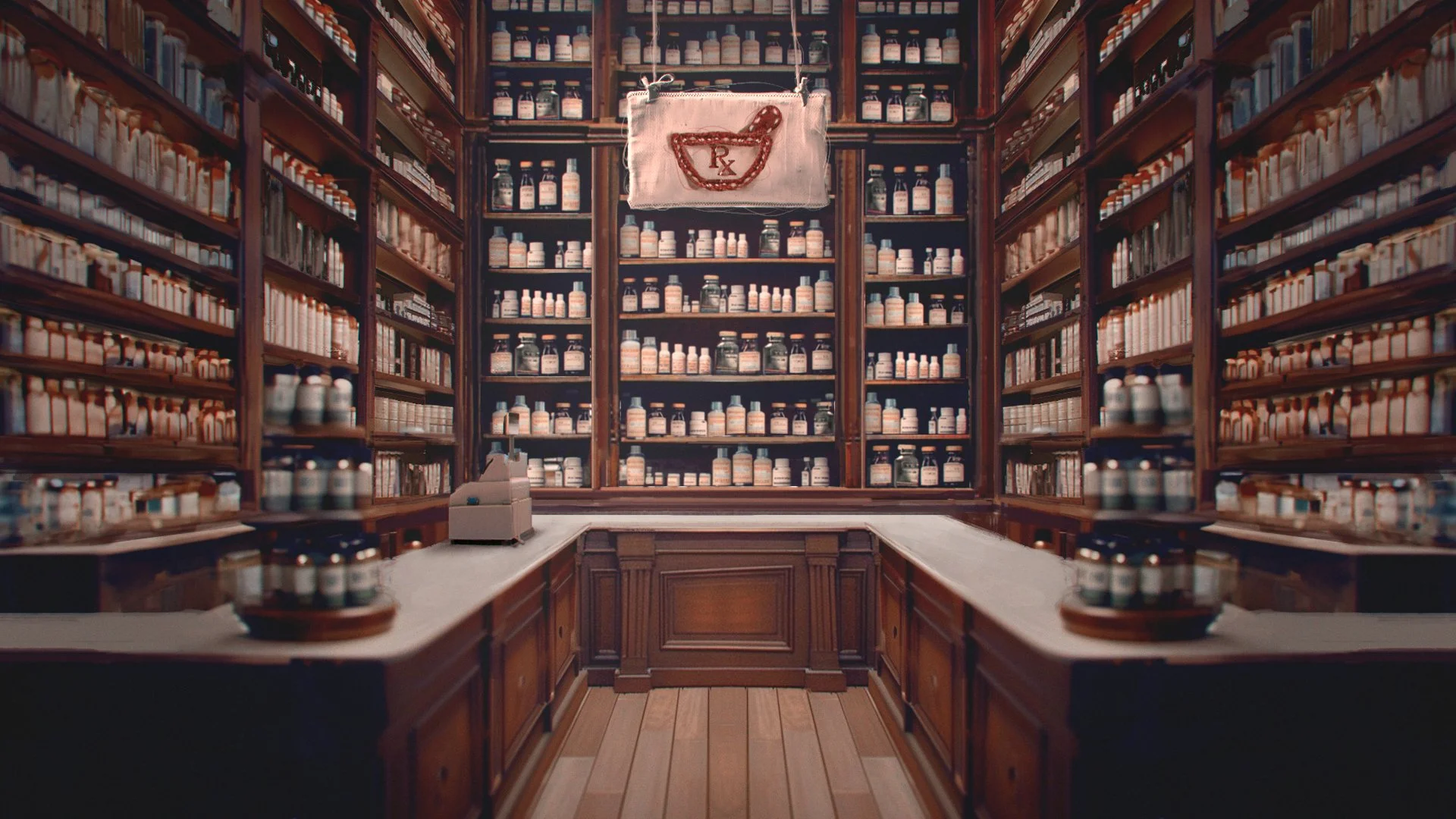
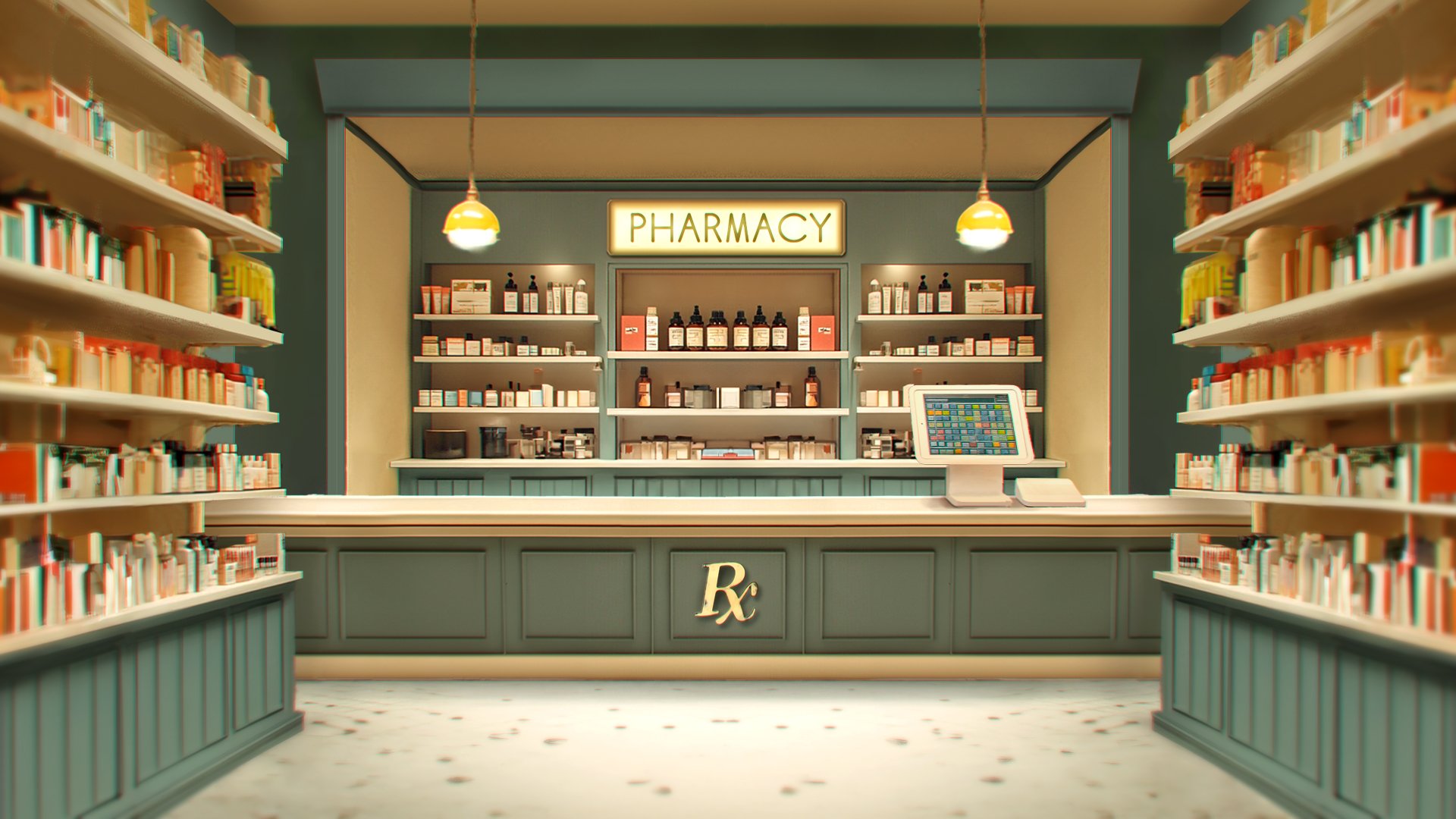
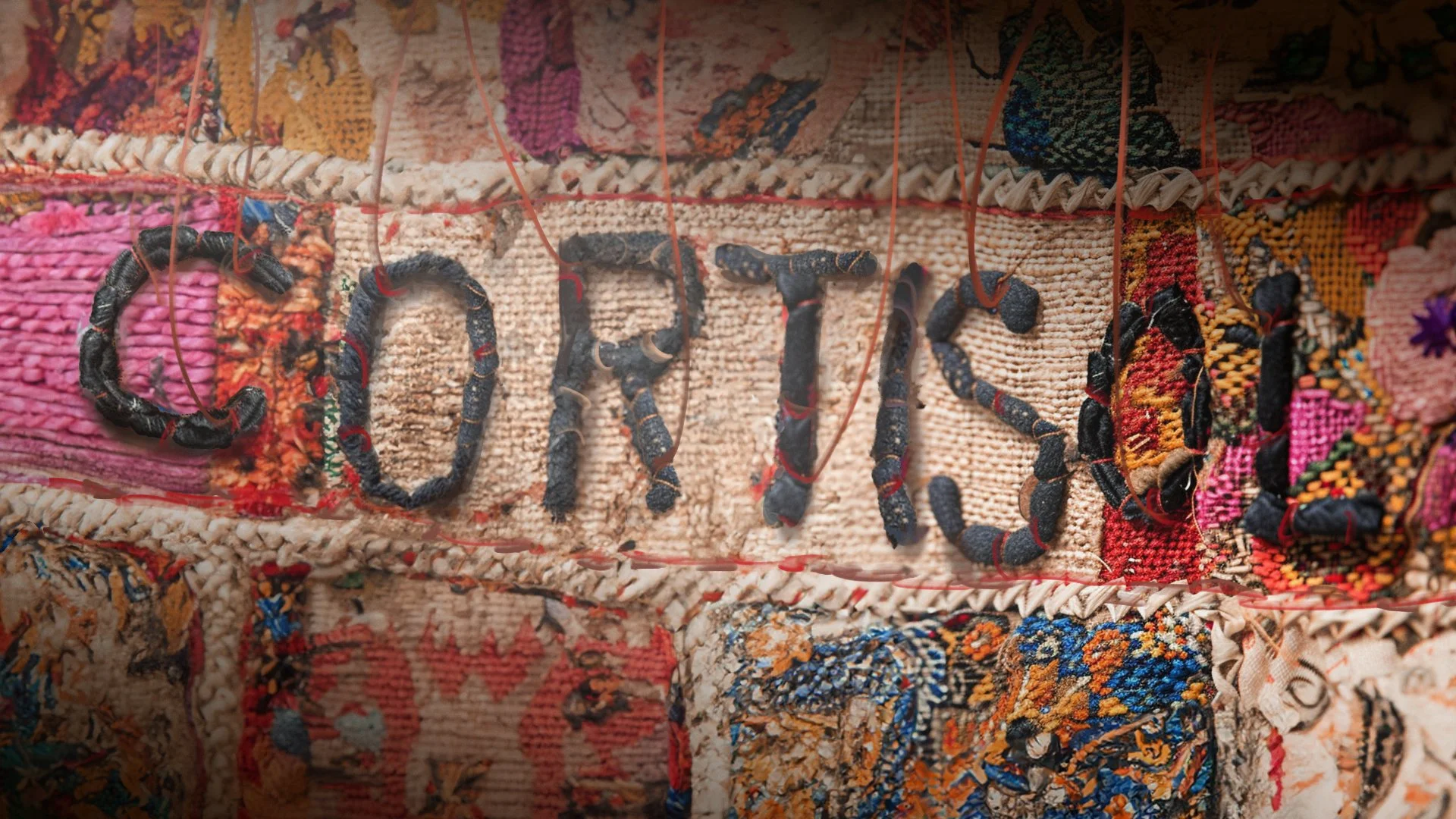
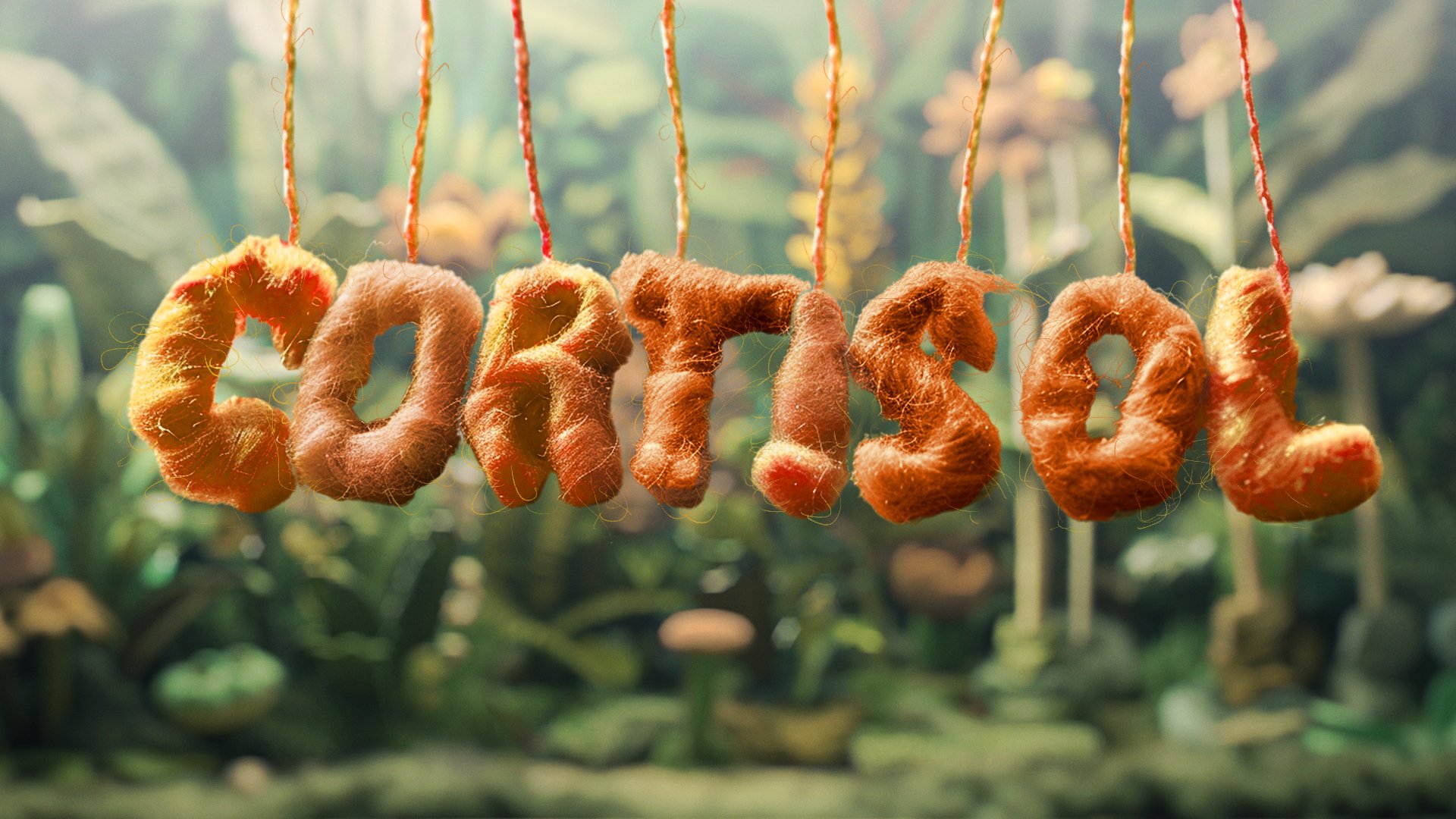
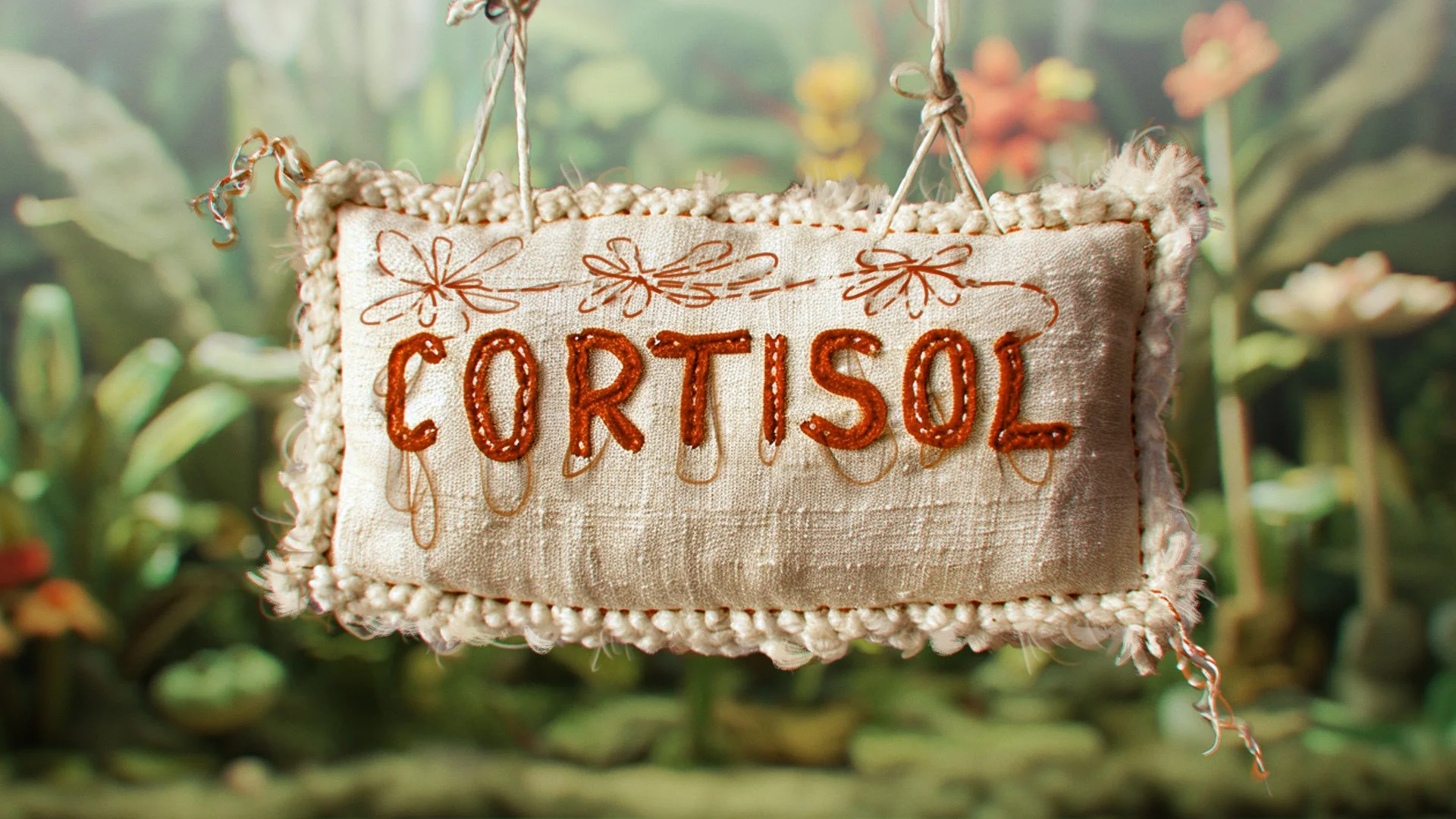
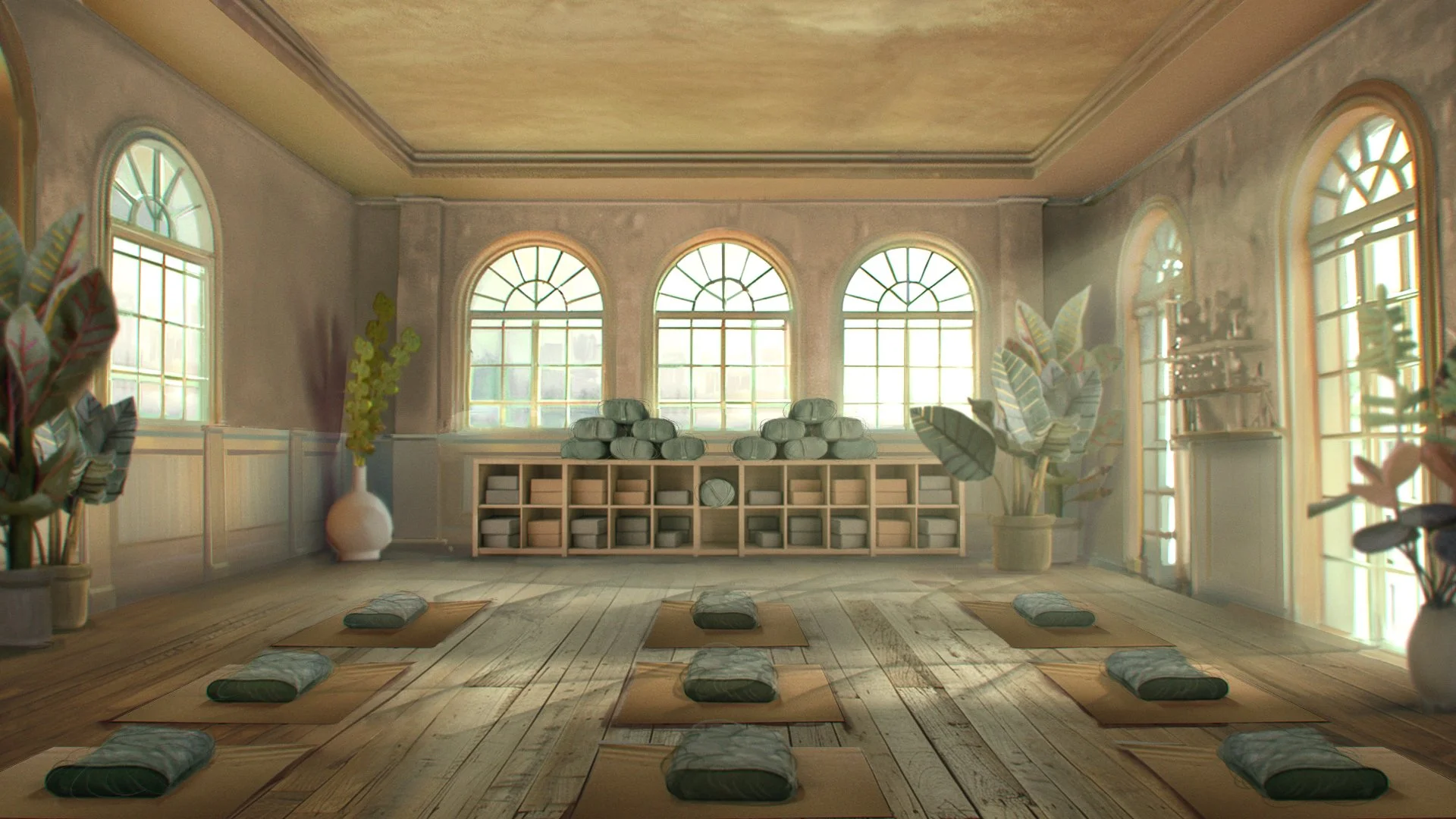
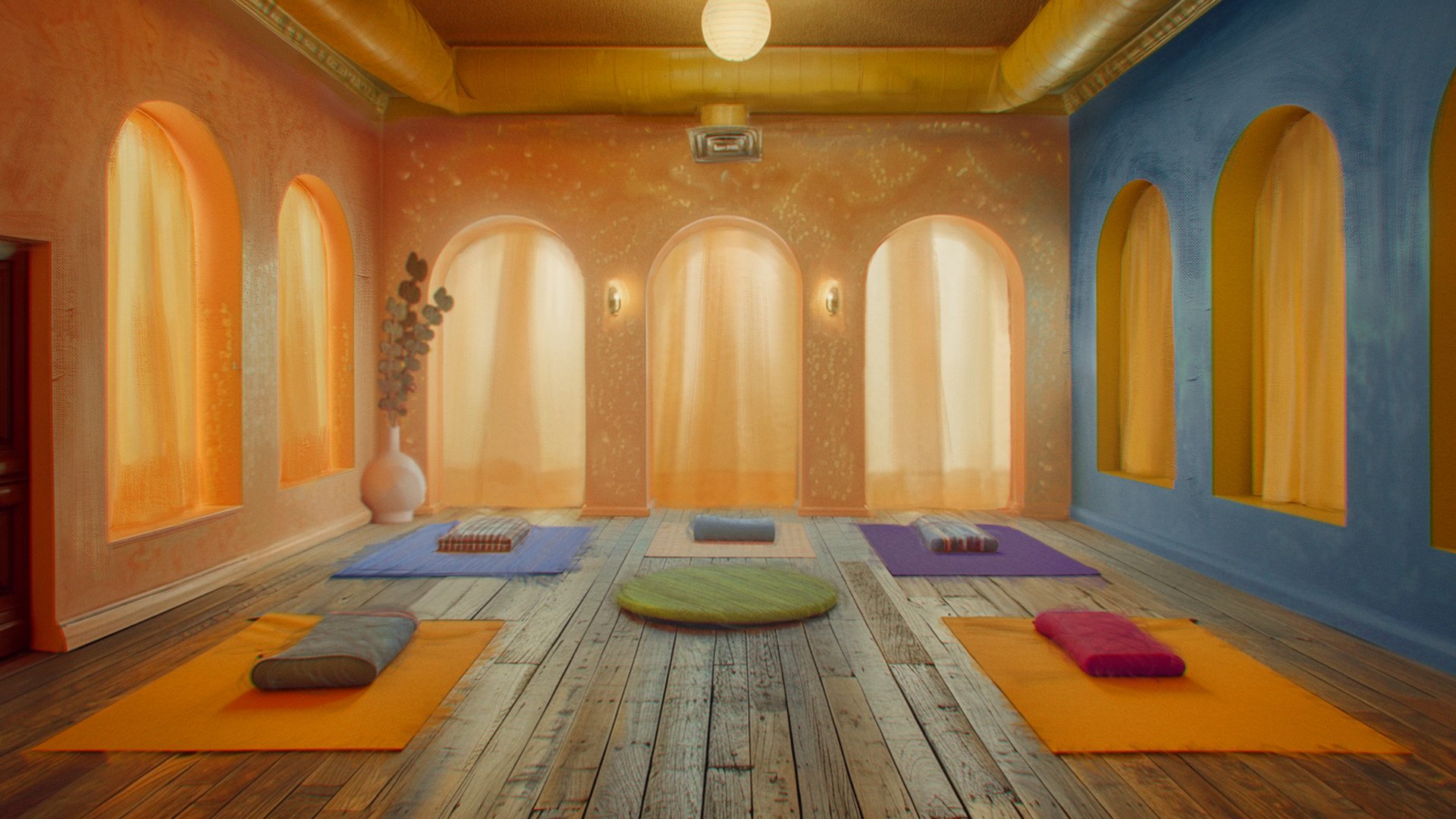
The challenge was building multiple sets that all felt like they belonged to the same stop motion world. Doing that through traditional painting, 3D modeling or photo bashing would have eaten the budget whole. Instead I used AI to generate props, repainted and reassembled them in Photoshop, then ran them back through AI for variations. That loop — generate, paint, regenerate — is what made it possible to produce that many set pieces in the time we had.