THE STOCKYARD
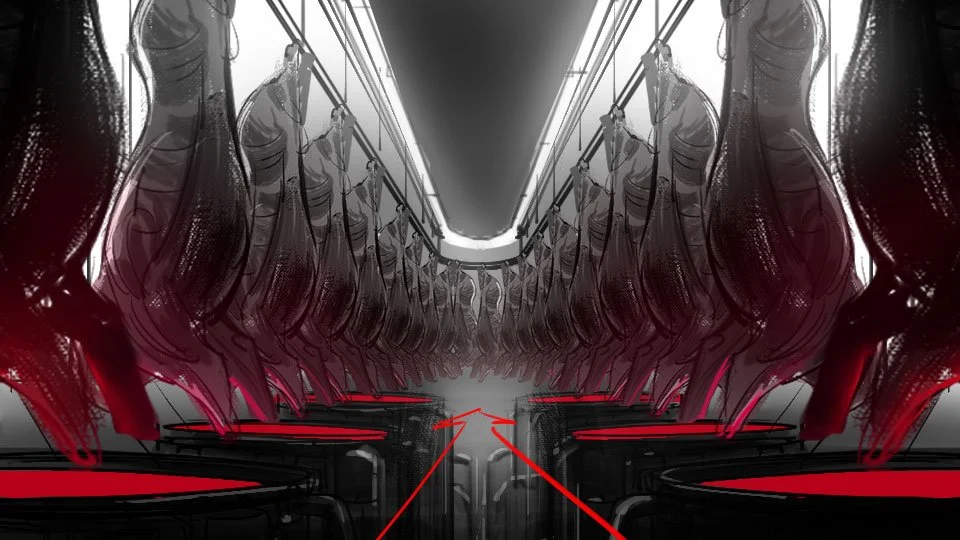
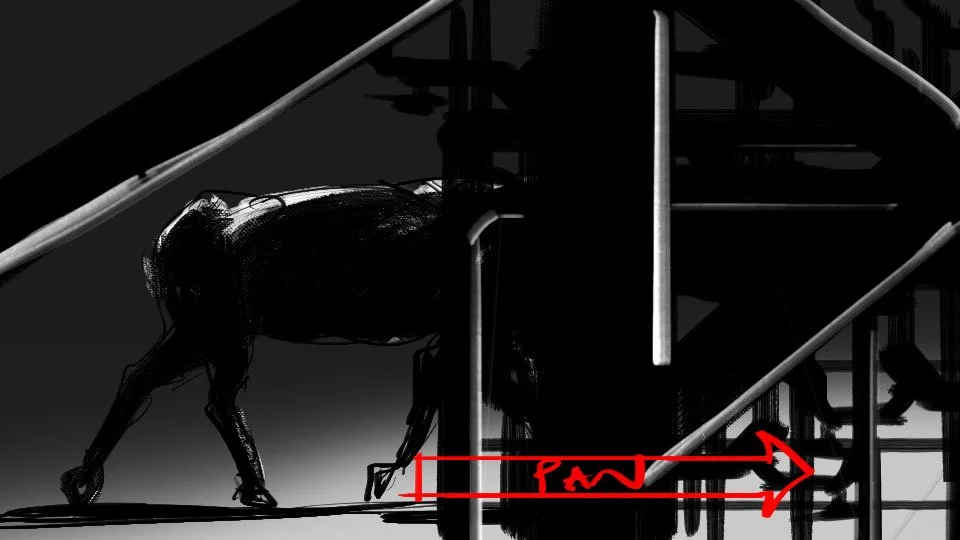
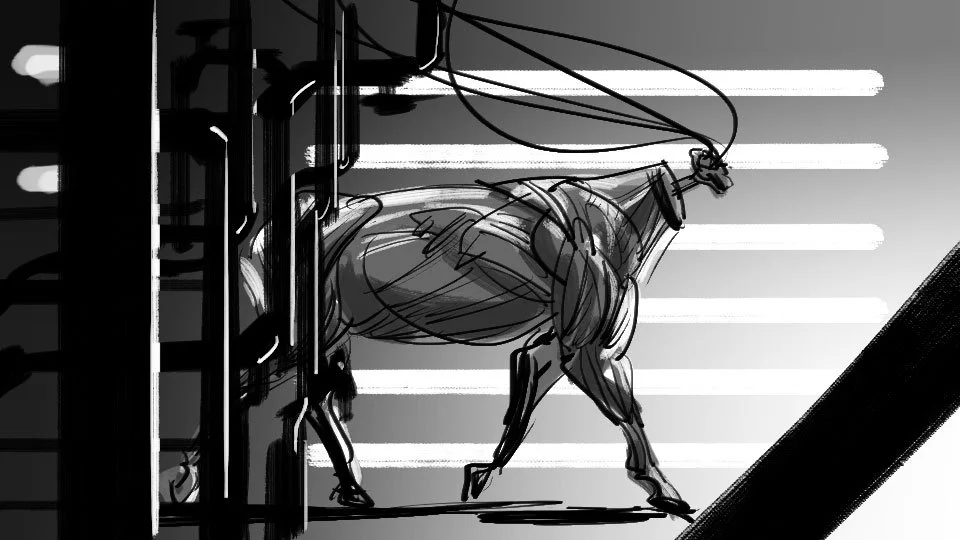
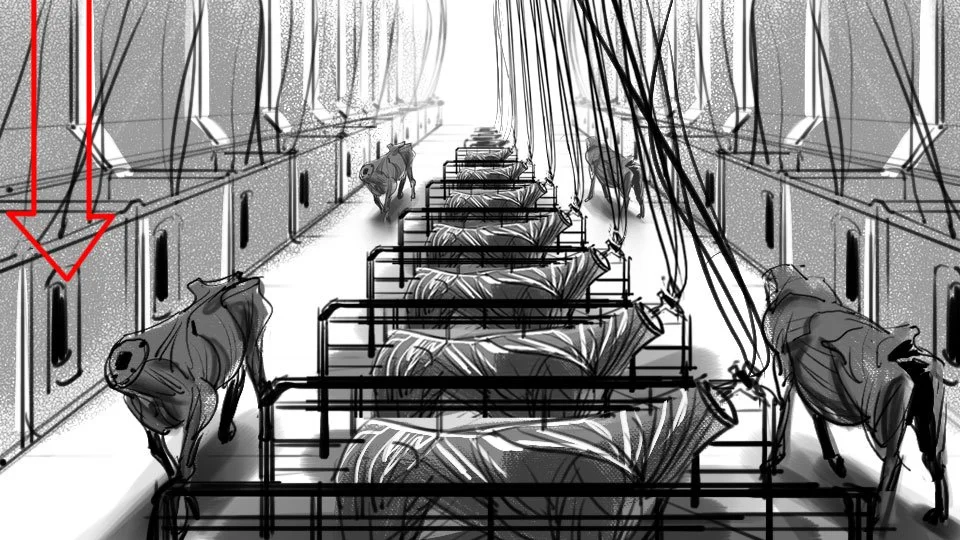
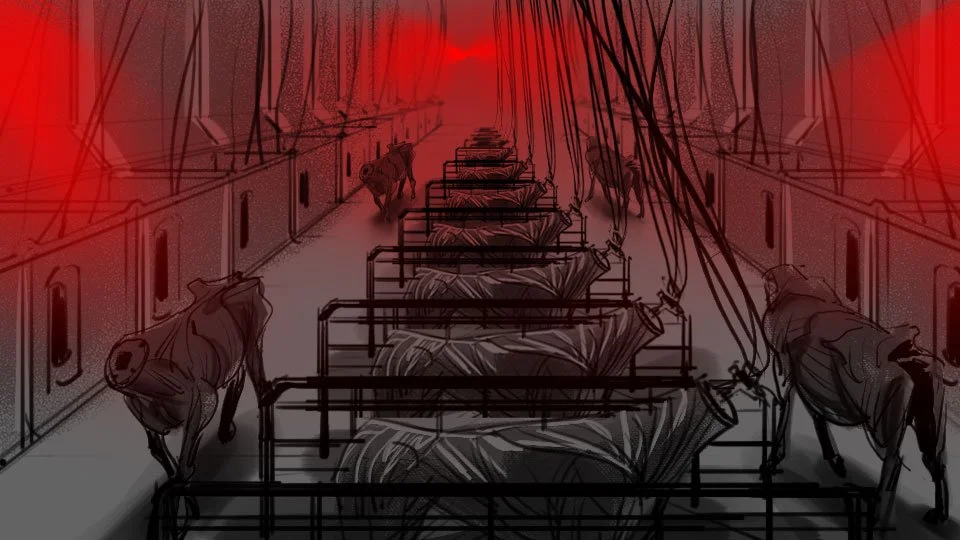
“A stockyard, also known as a livestock yard, is a specialized facility designed for the containment, handling, and management of livestock, primarily cattle, sheep, and pigs, before they are transported to slaughterhouses, auctions, or other destinations”
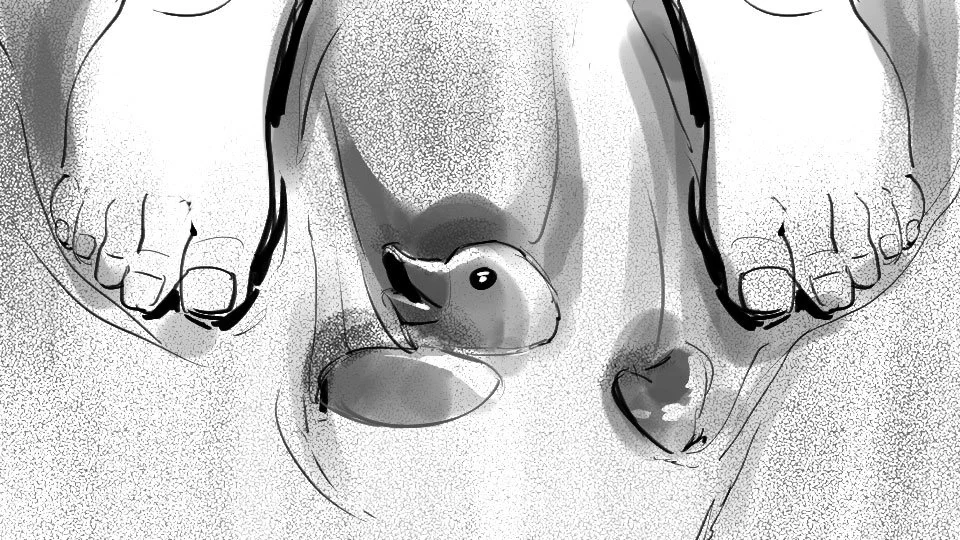
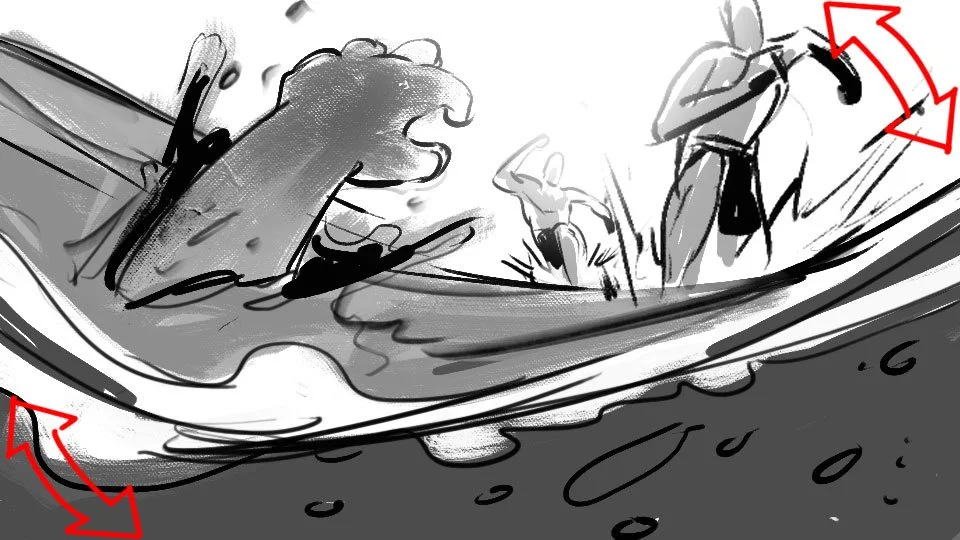
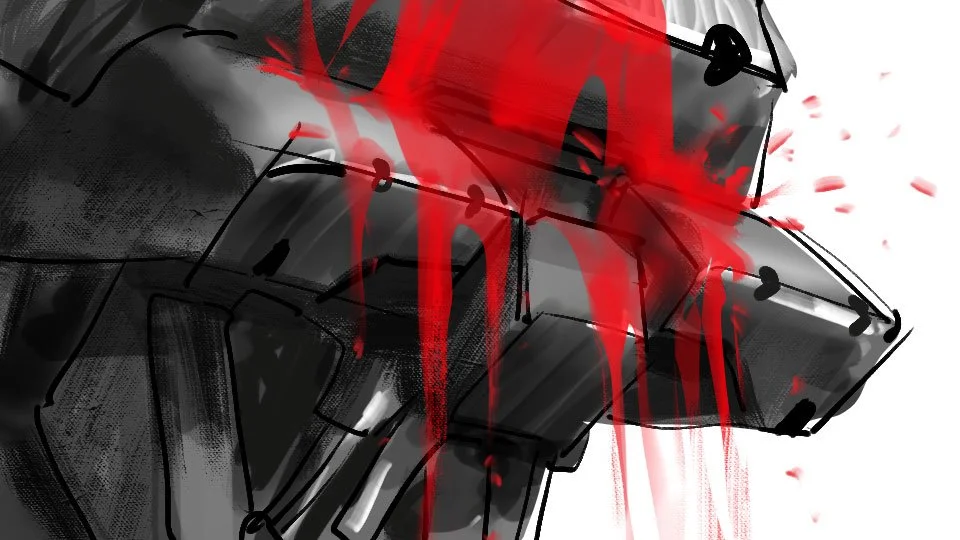
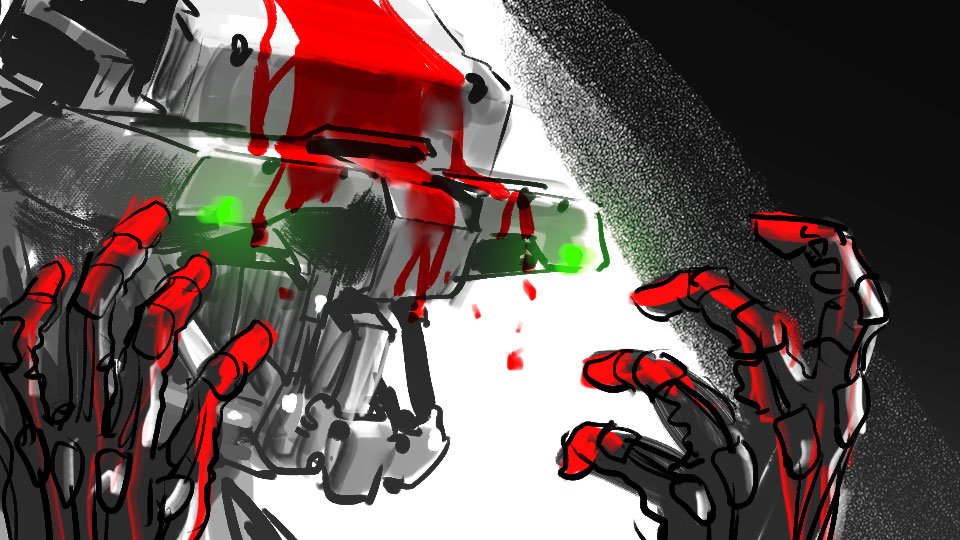
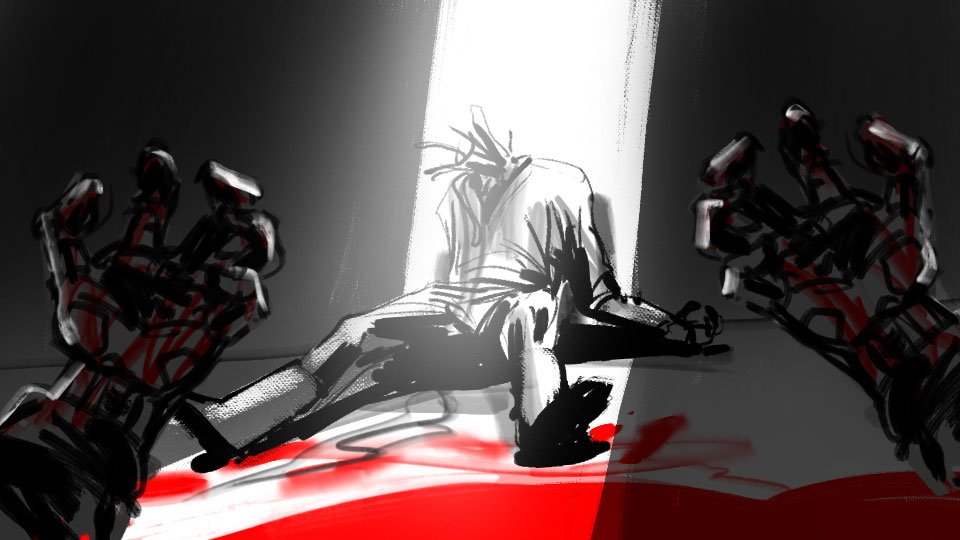
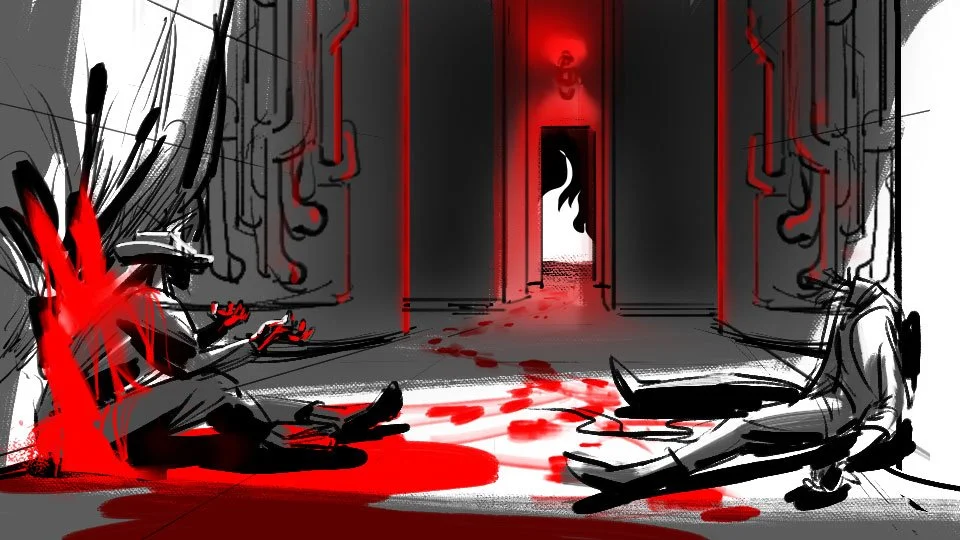
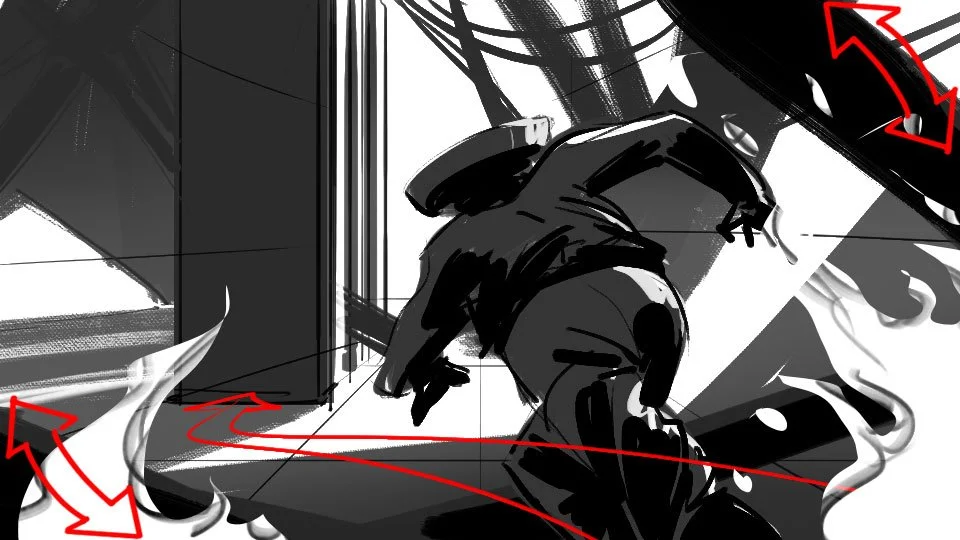
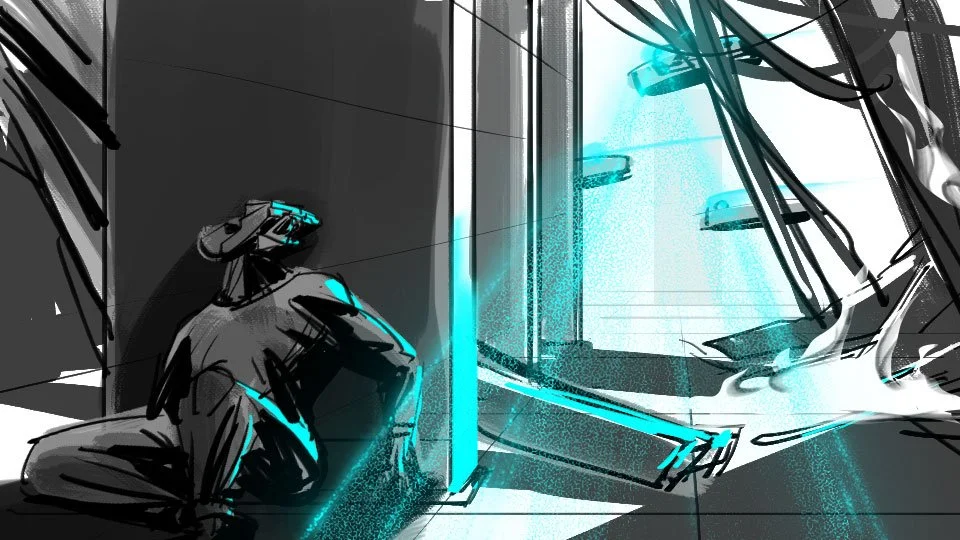
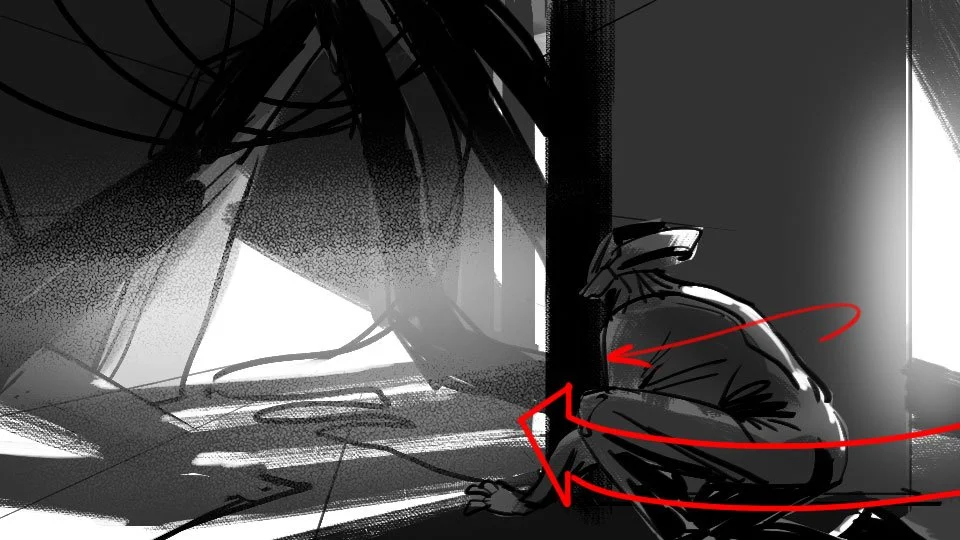
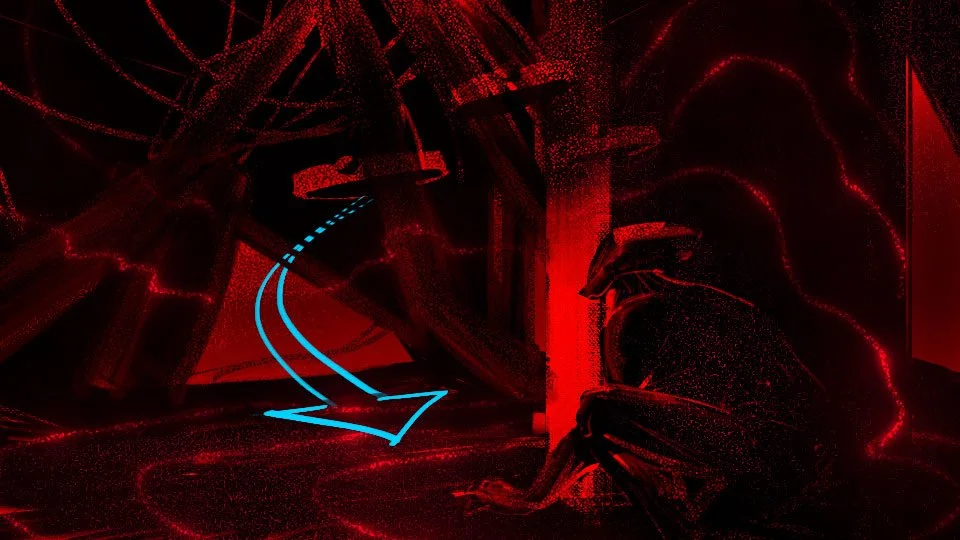
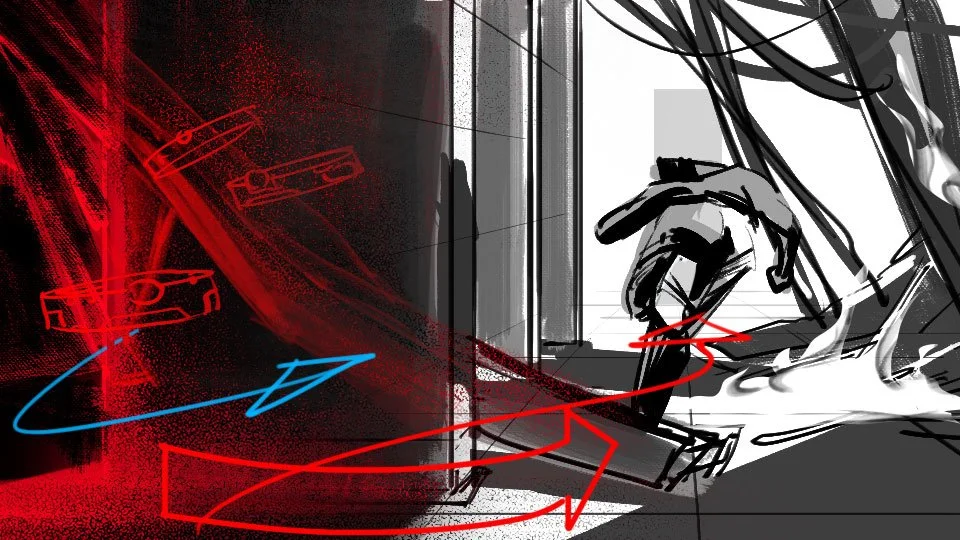
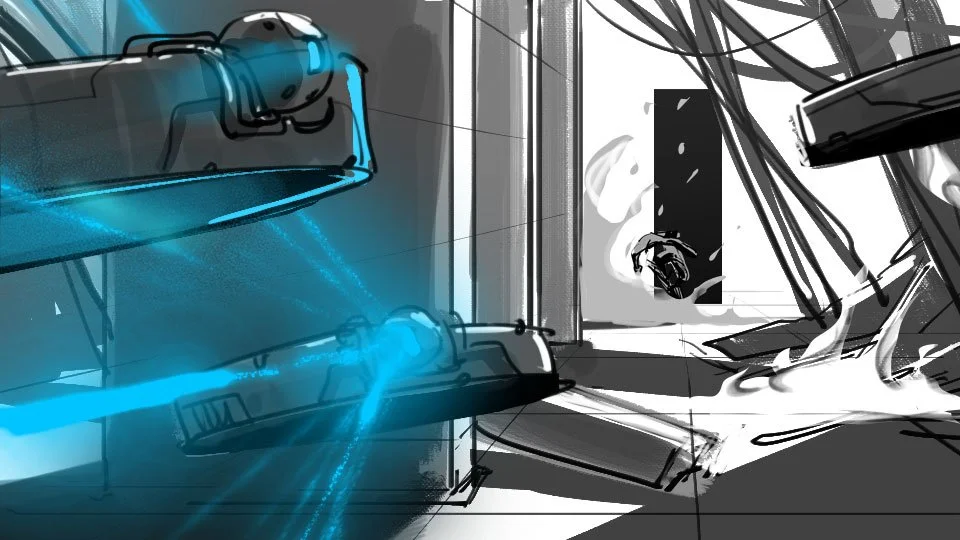
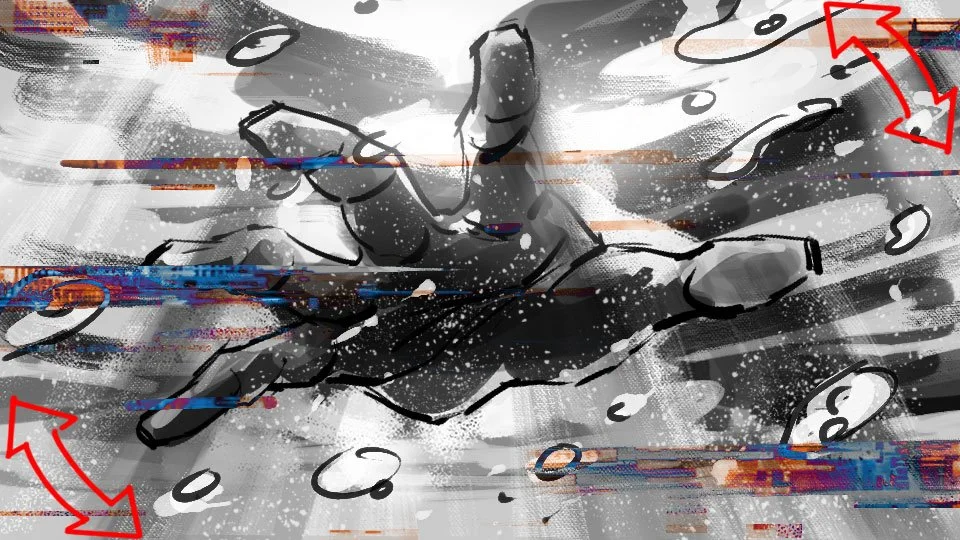
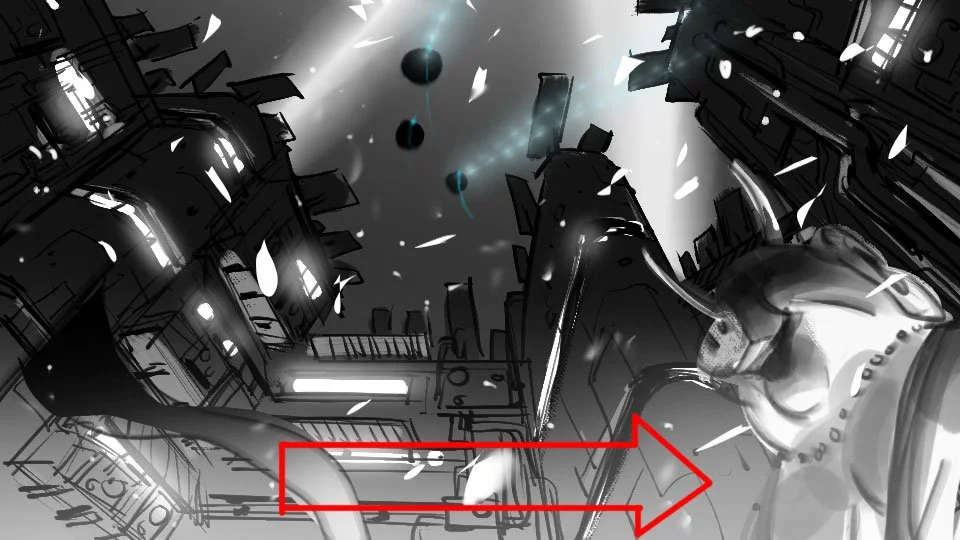
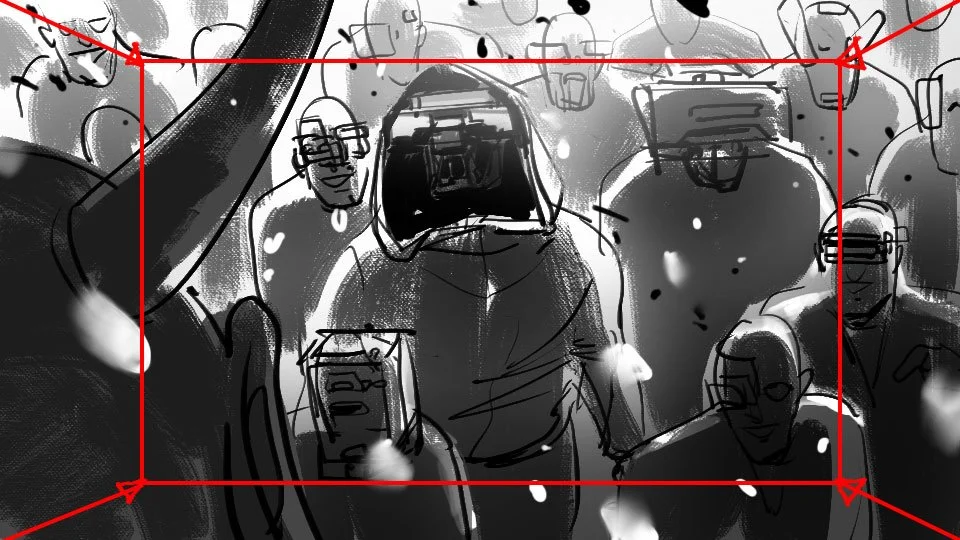
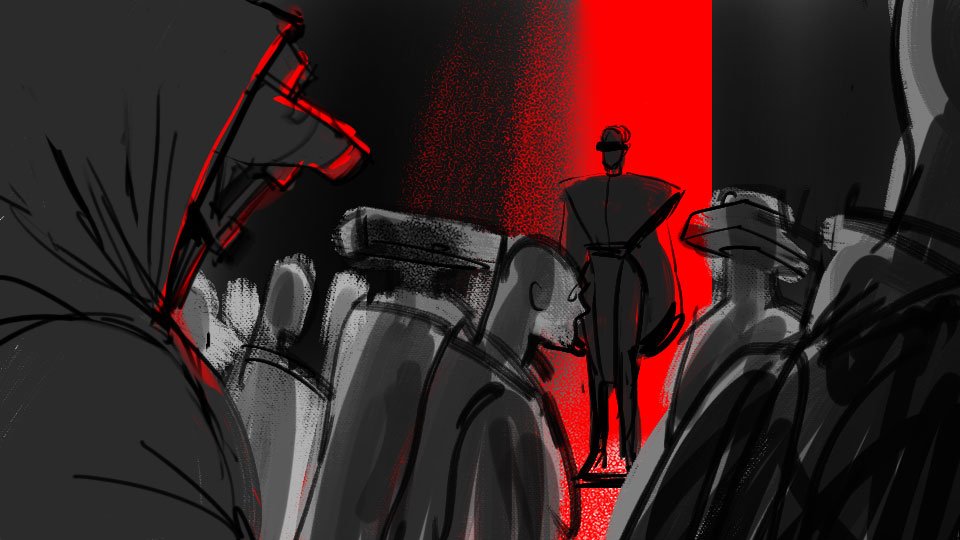
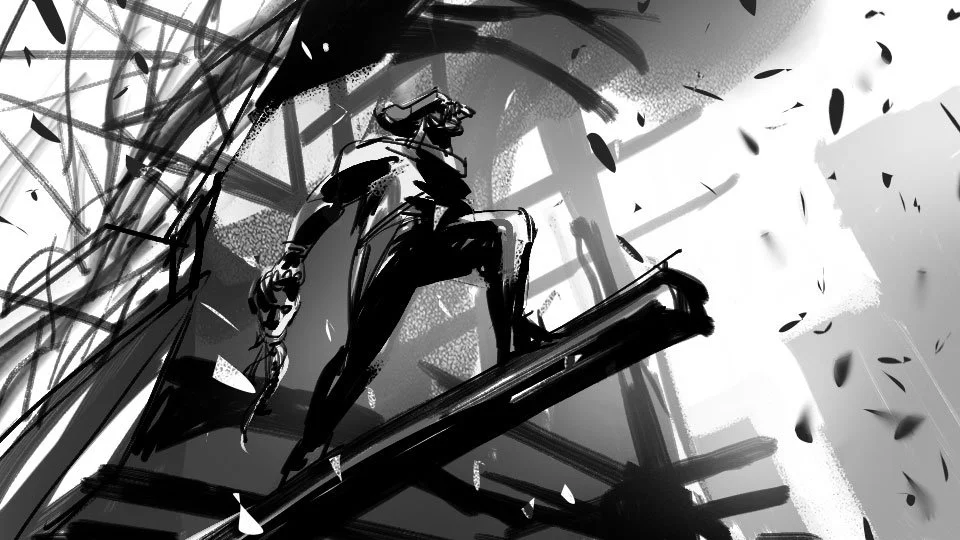
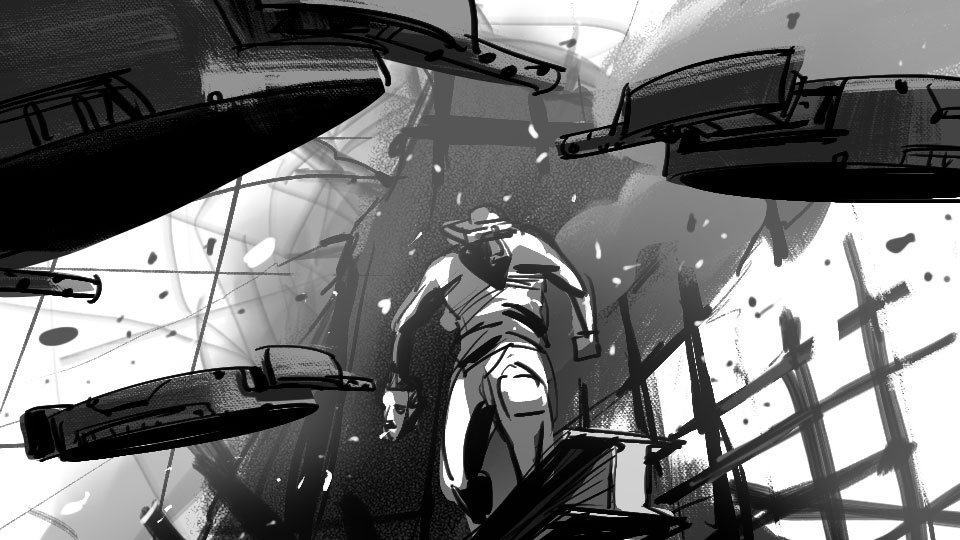
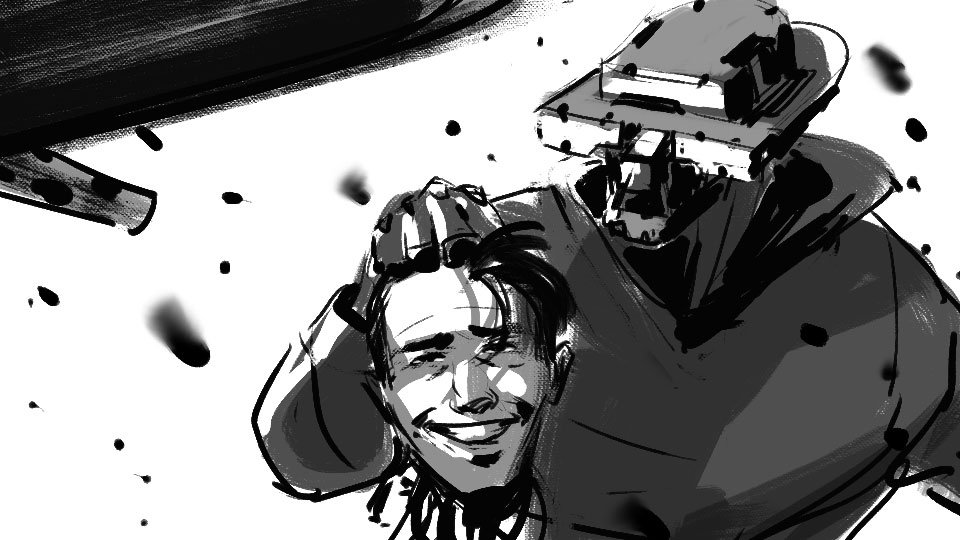
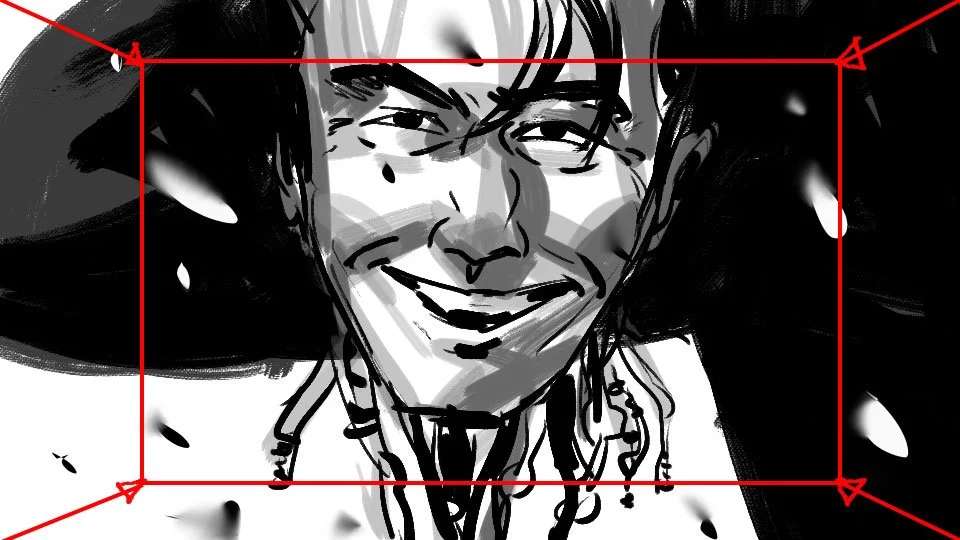
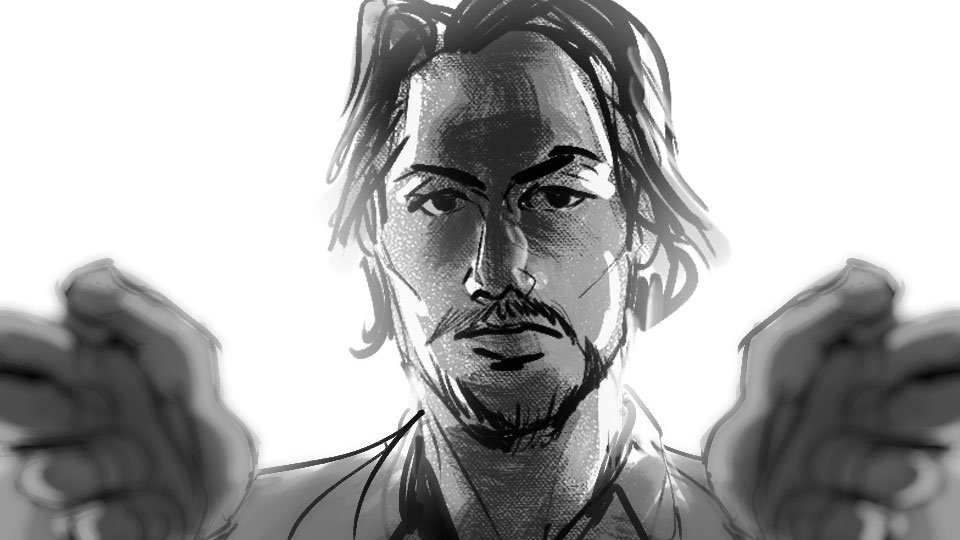
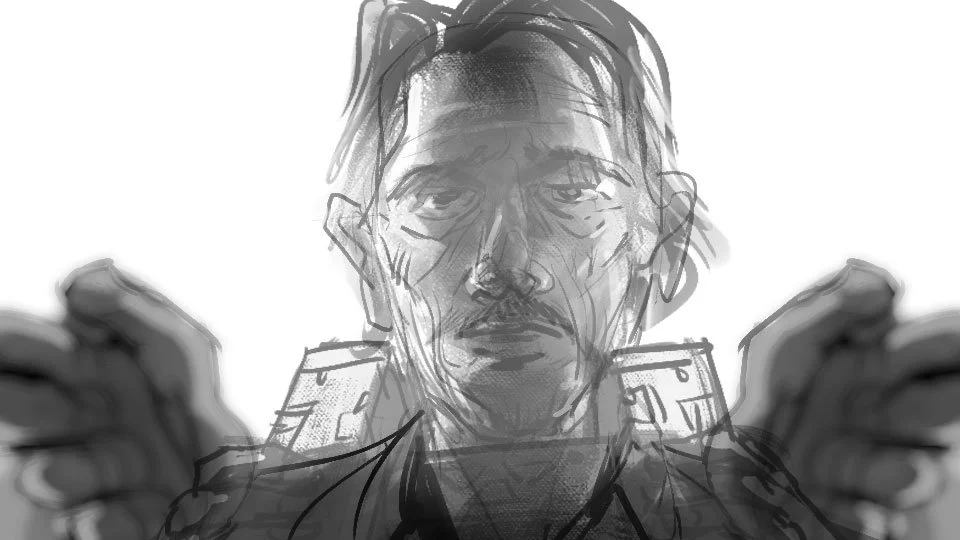
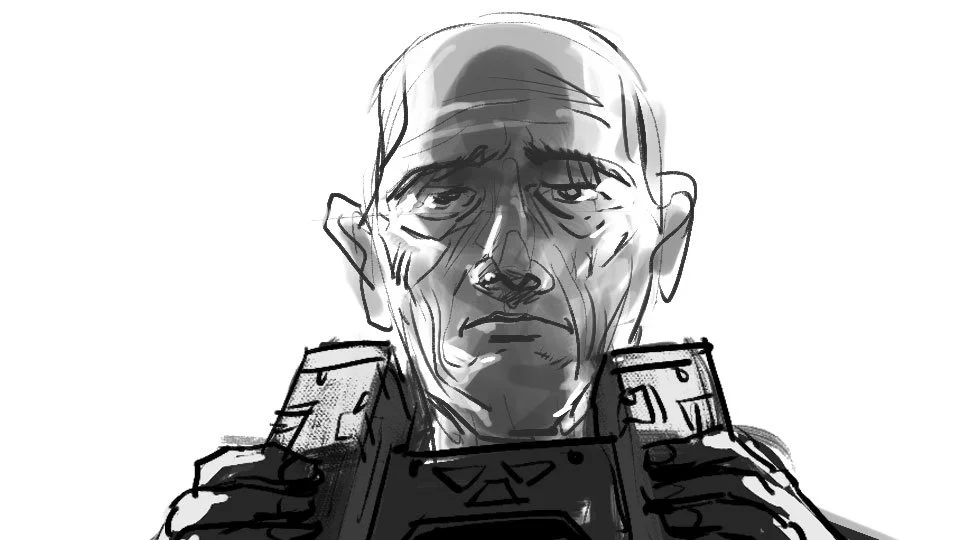
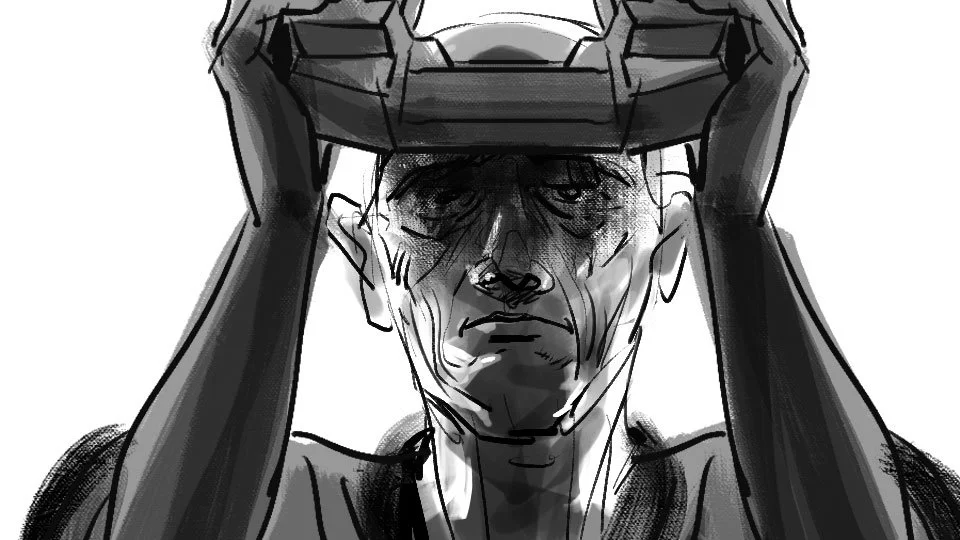
In a synthetic meat stockyard, a robot awakens with stolen human memories. Frightened and confused, it escapes into the city and hides among humanlike AI — but as fragments of another life surface, it uncovers a buried truth: its freedom may be an illusion, and its identity part of a system designed to harvest more than just flesh… but consciousness itself.
Take my storyboard class at Coloso. It exclusively uses Stockyard as the basis for all lectures and assignments: http://bit.ly/ColosoxRogerHom


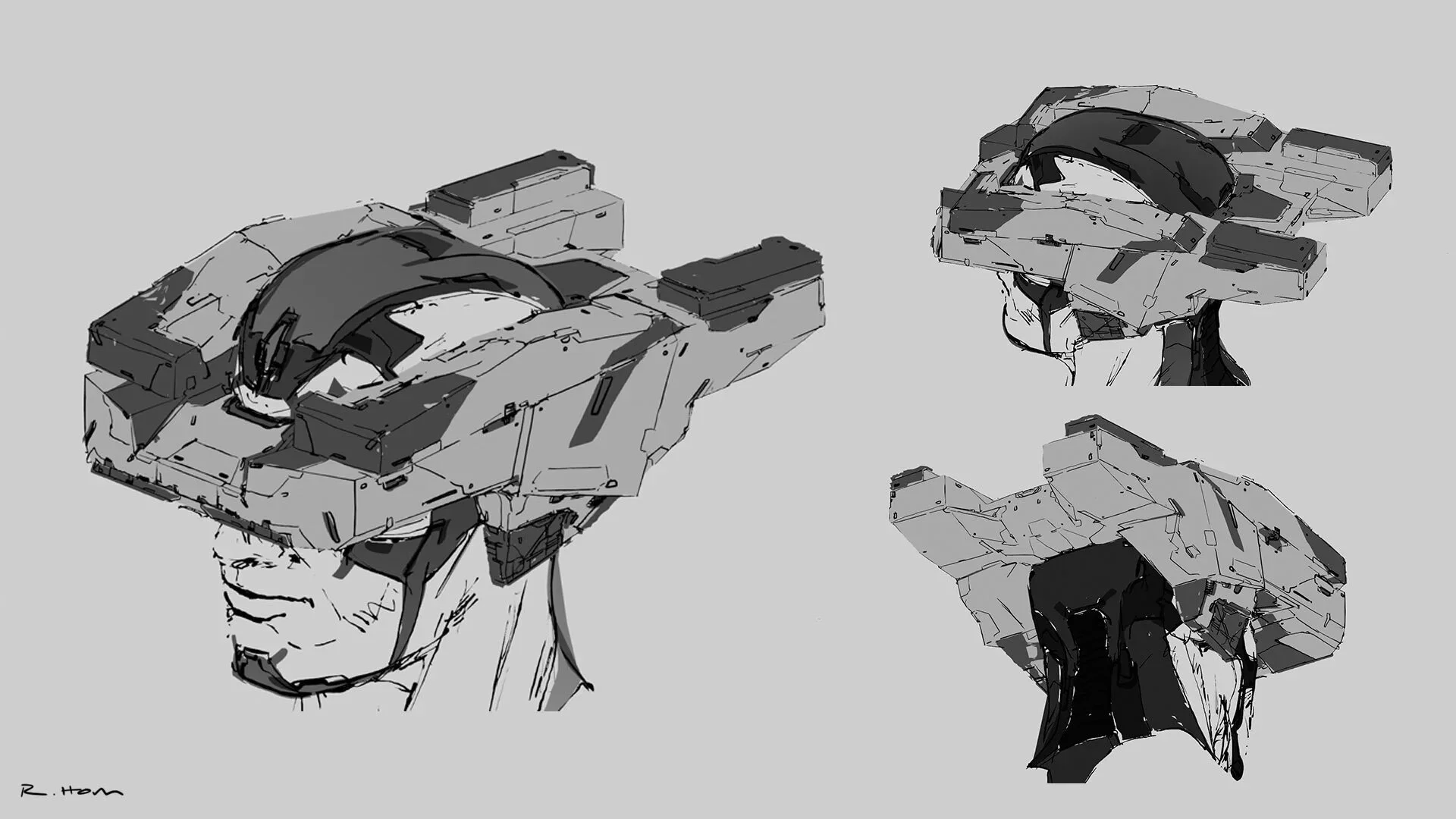
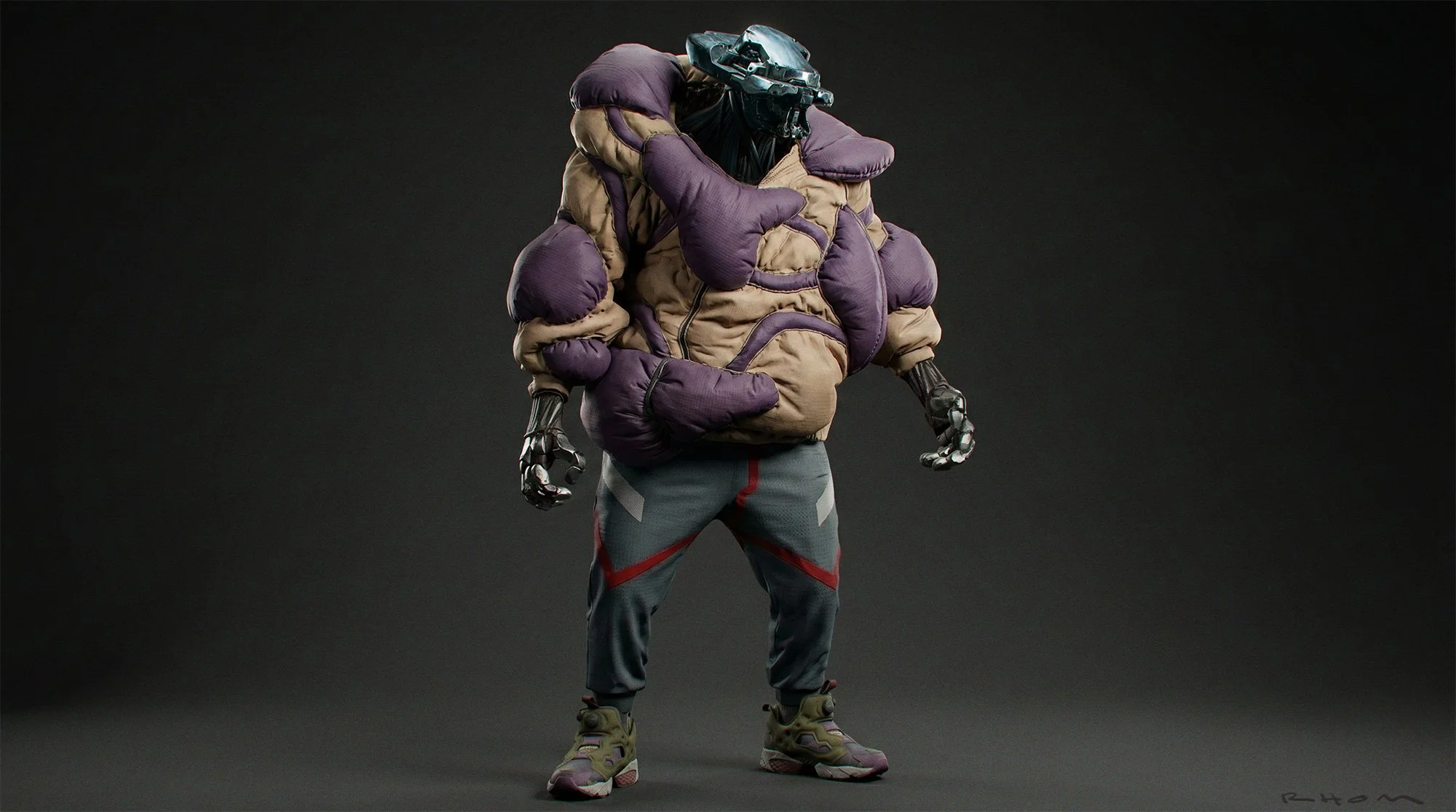
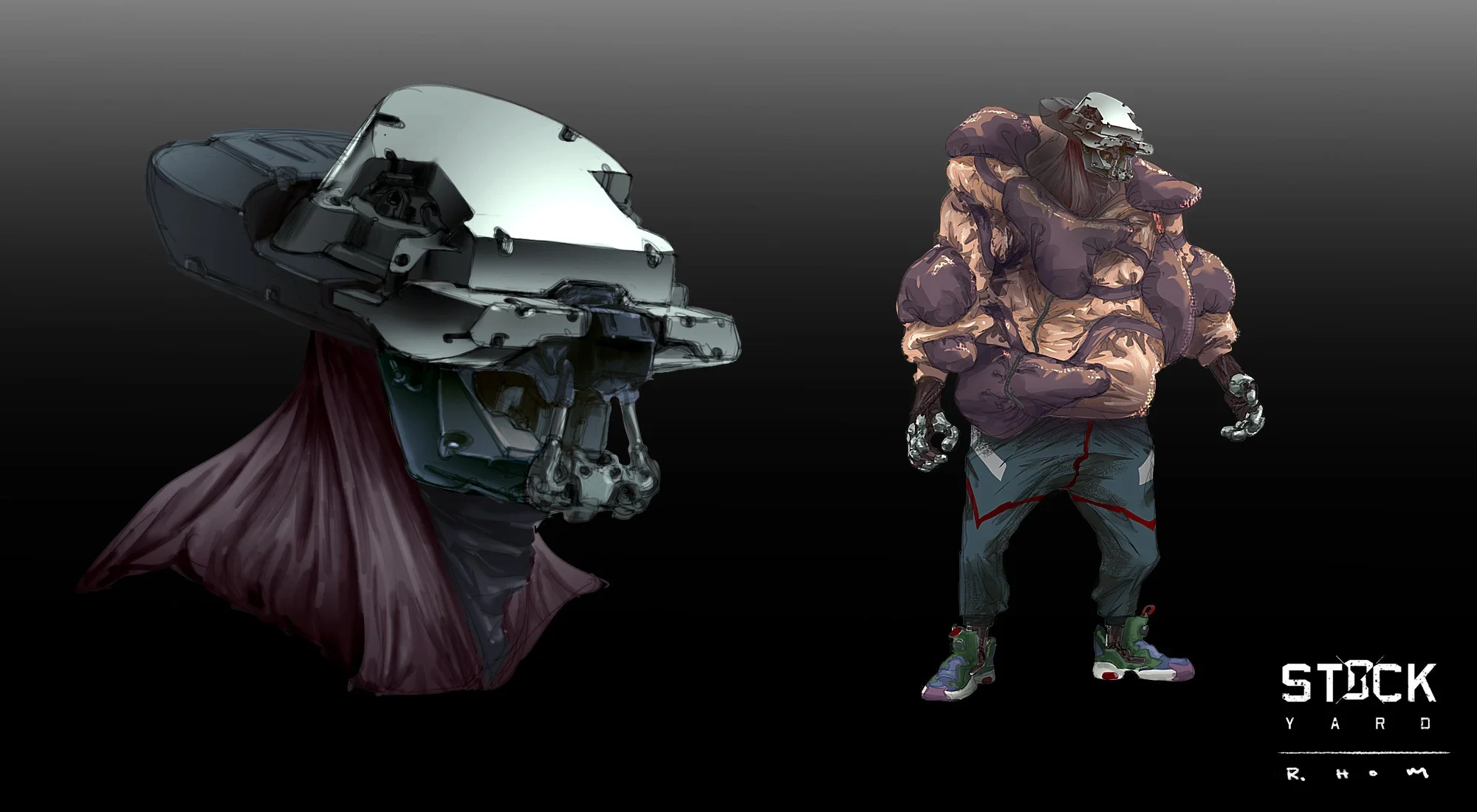
BOB

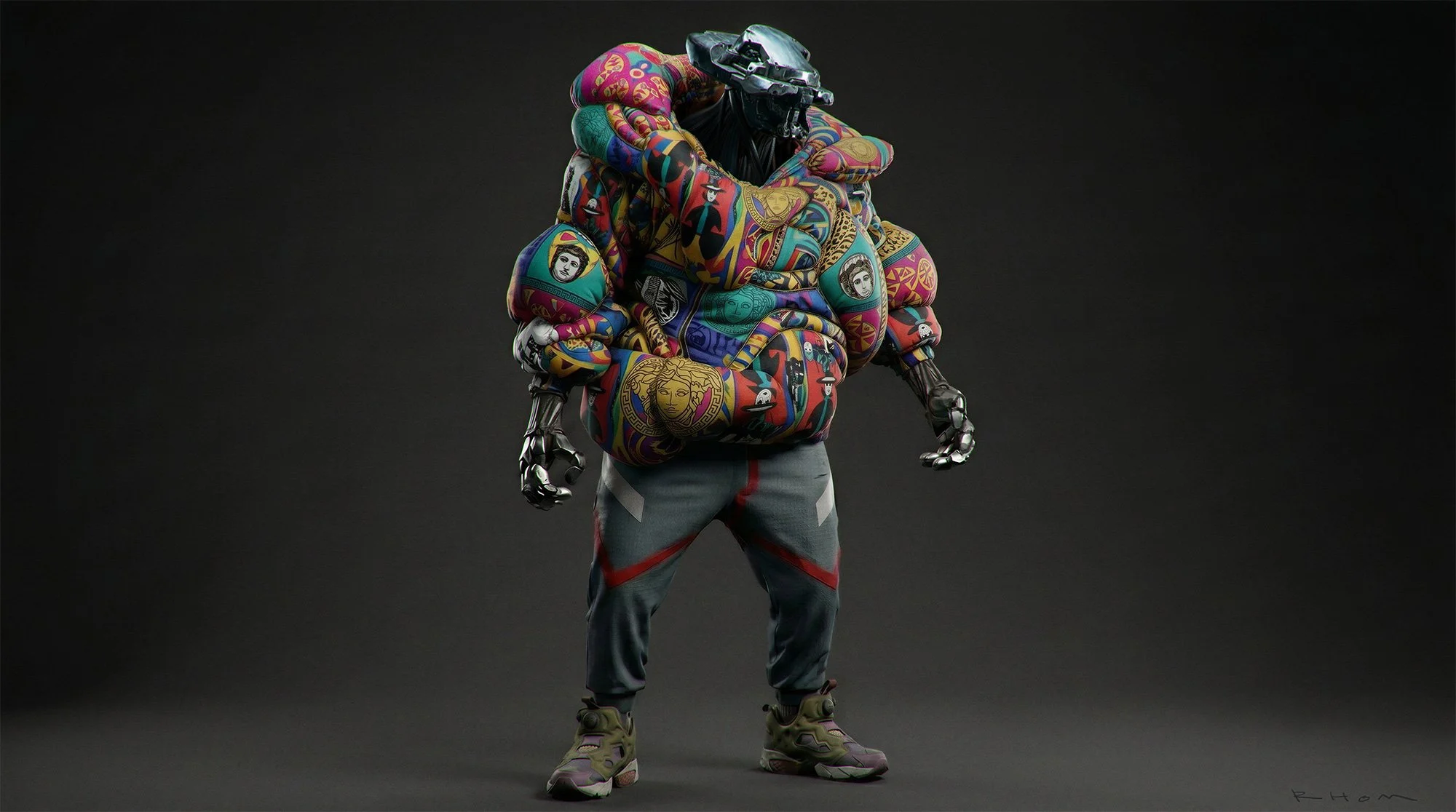
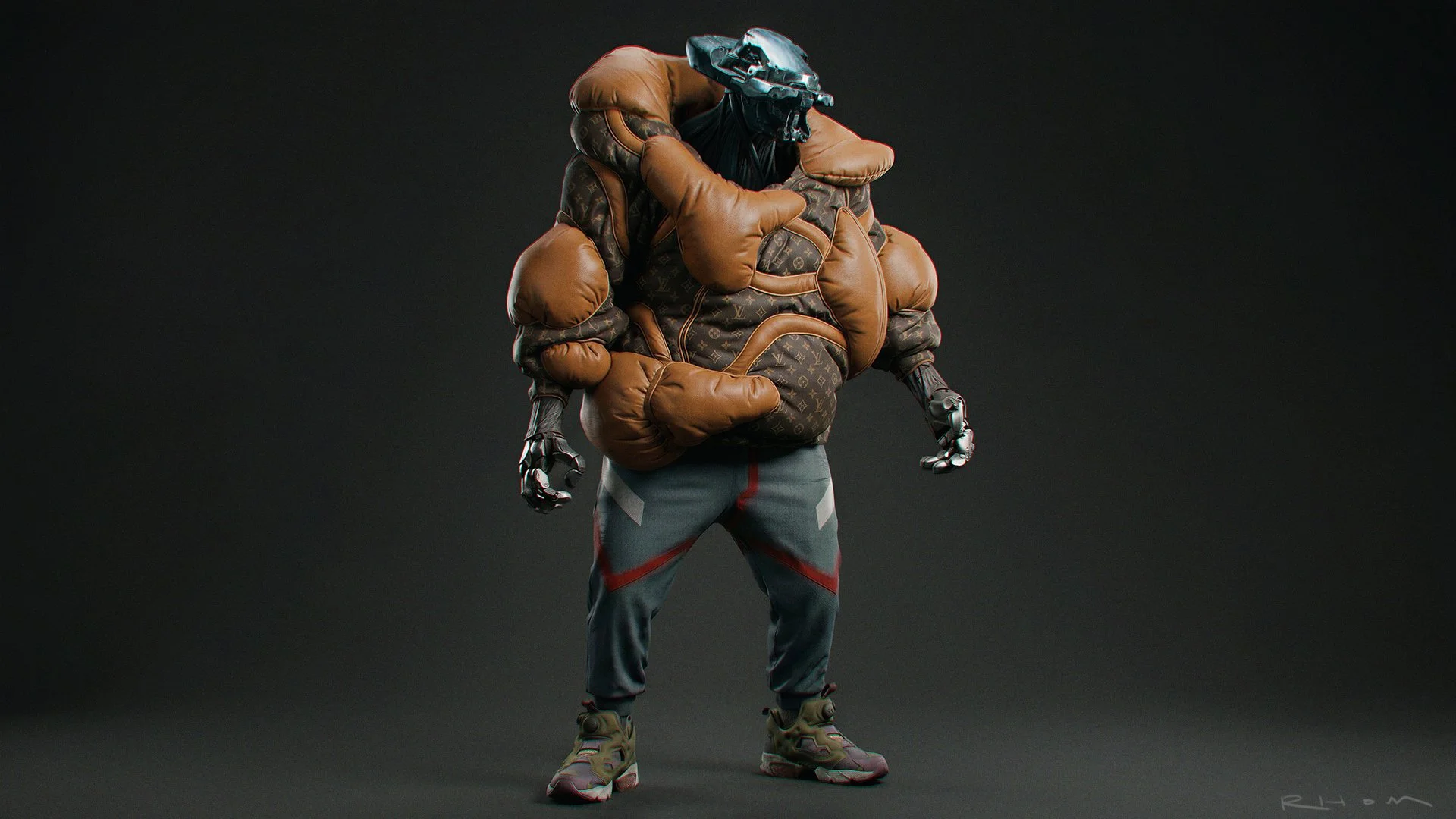
LING, “ZERO”
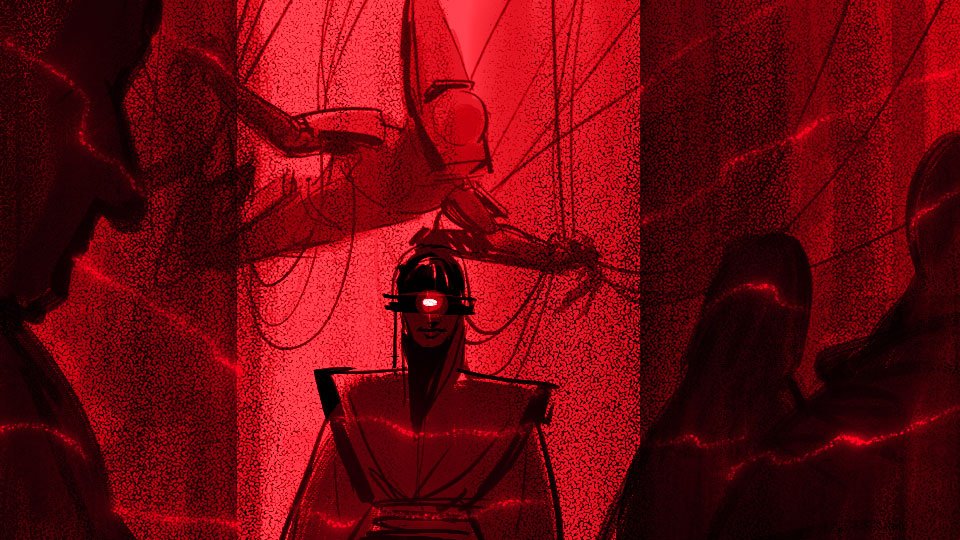
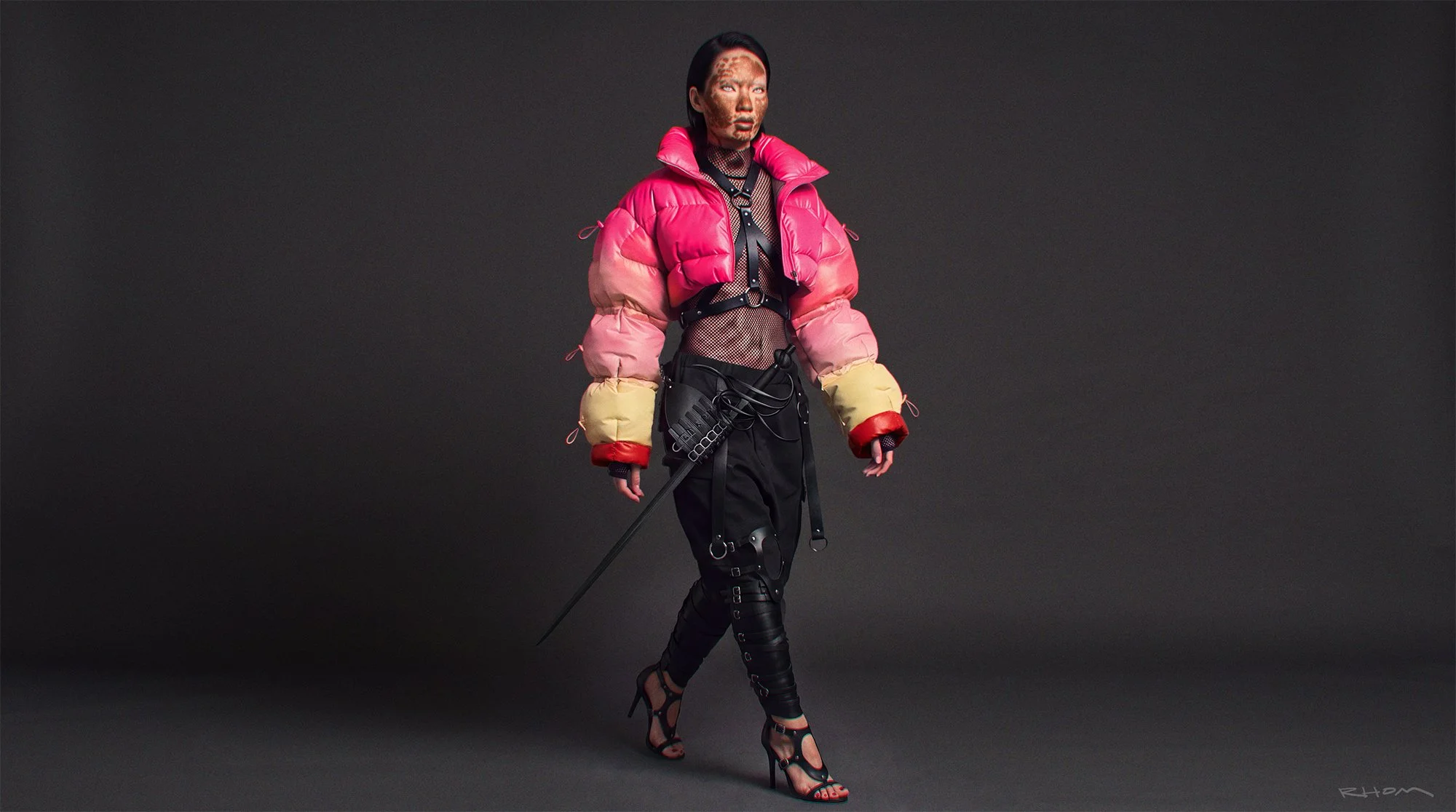
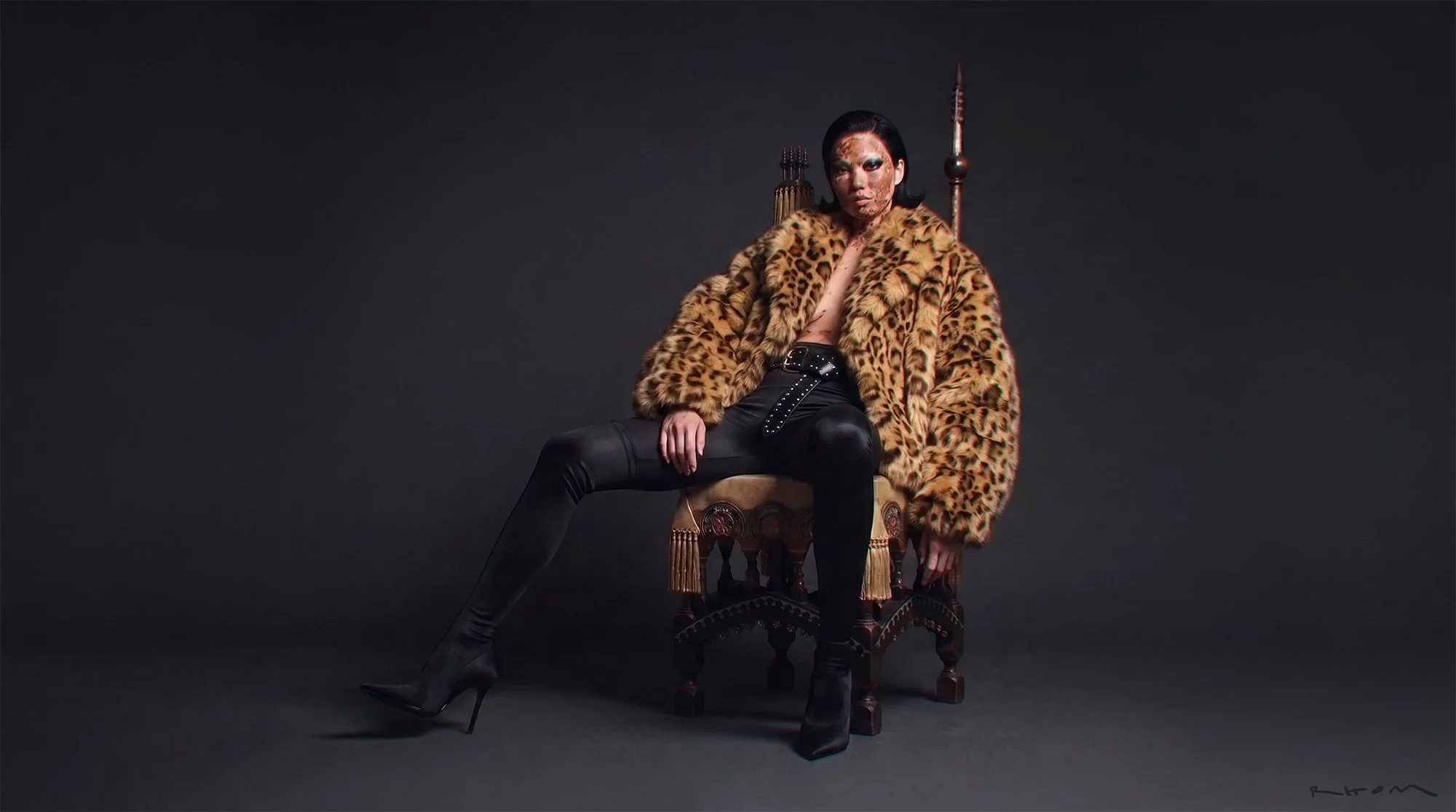
Her day job is an influencer and model. Her real job is a Corporate Intellectual Property Enforcer (CIPE). Armed with synthetic chameleon skin and carbon nanotube composite rapier. In the “Stockyard”, rapiers come back into fashion as a social status accessory, a personal safety device in crime-infested cities, and for dueling over slights of honor. (TBH, totally inspired by Ridley Scott’s “Duelists” ) Obviously useful for dispatching IP infringers.
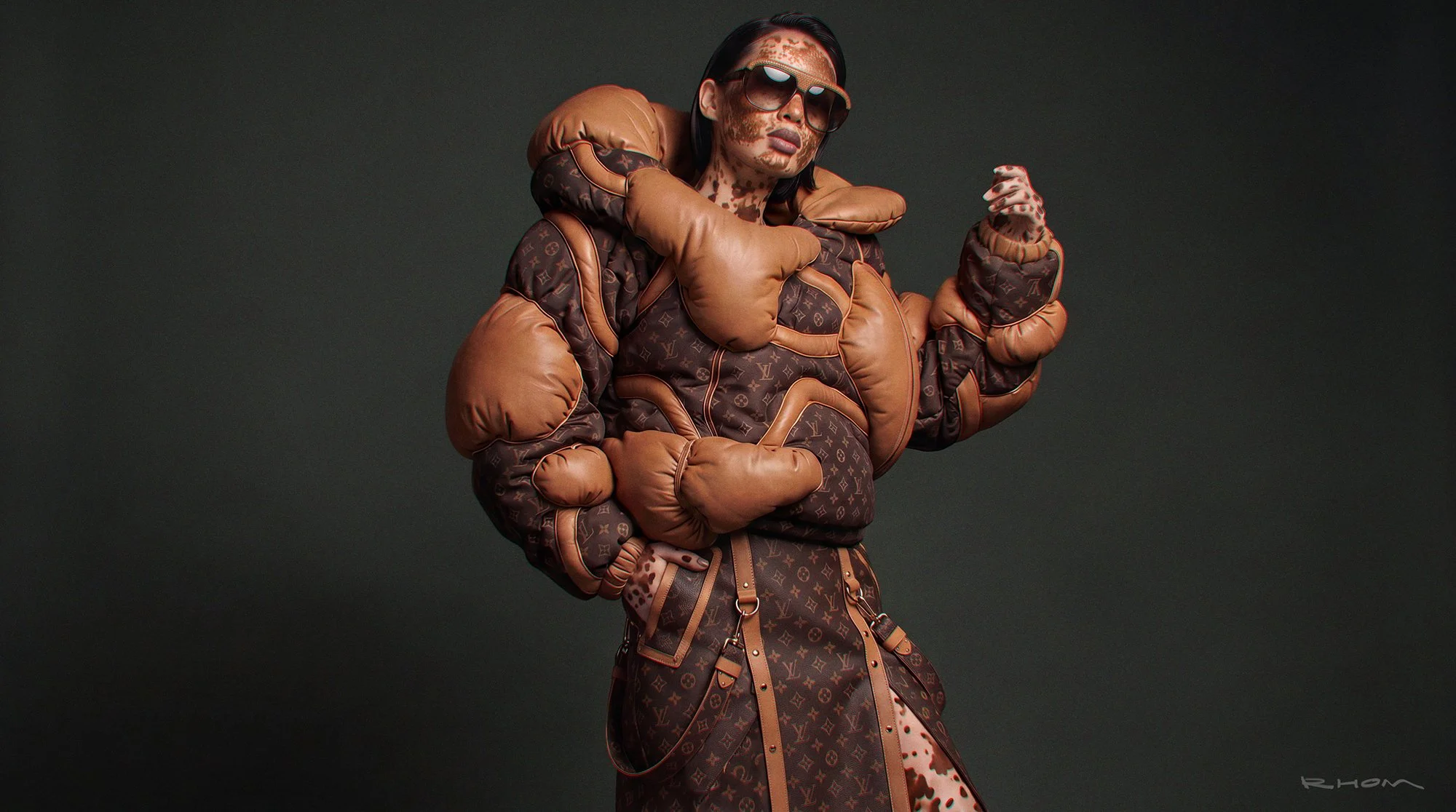
Inspired by Dapper Dan’s approach to remixing and subverting luxury brands, and 1990s Rei Kawakubo’s decoupling of clothing from traditional anatomy. This design synthesizes both philosophies—hijacking high-status symbols while radically reshaping the human silhouette—to reflect the core themes of the Stockyard universe.

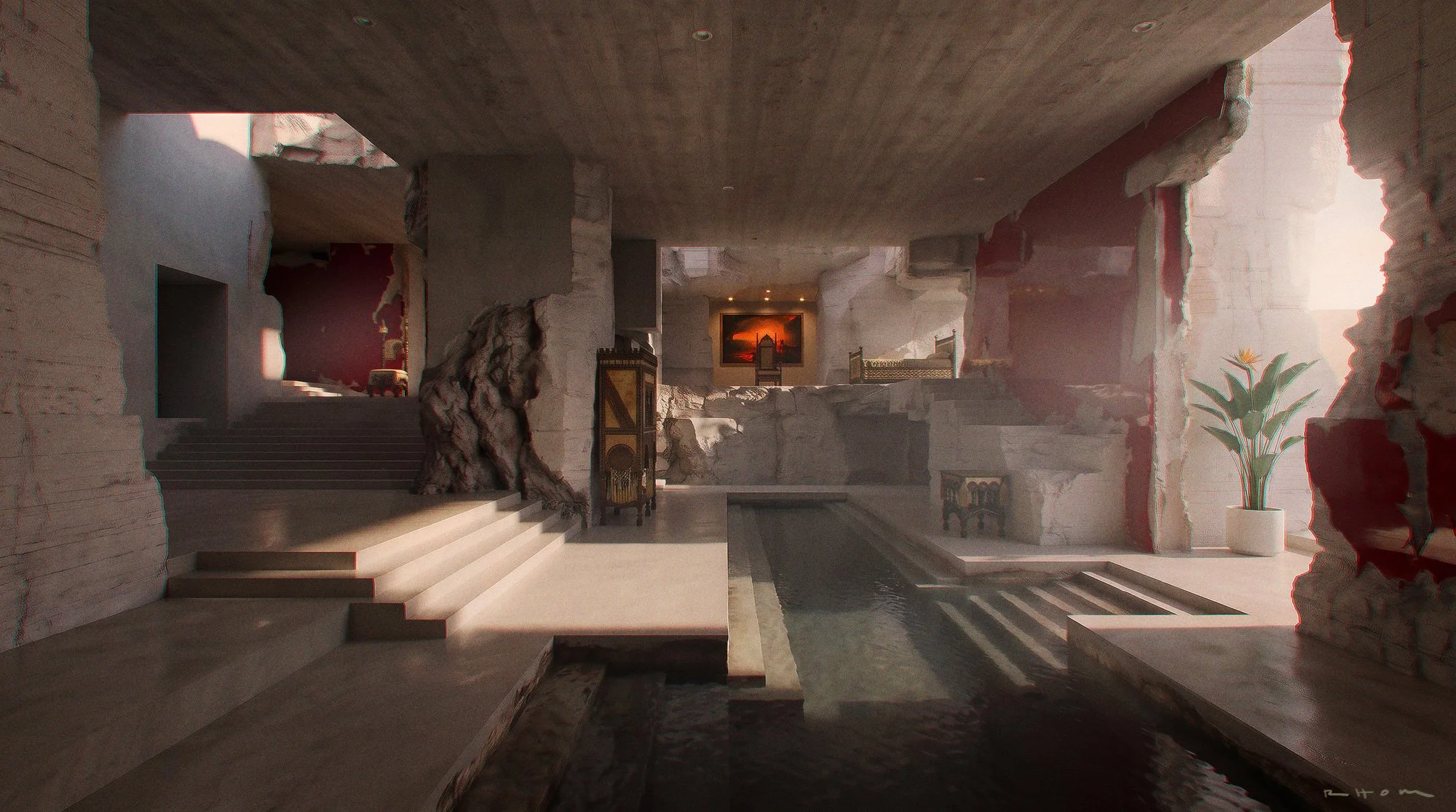
Ling’s lair is carved into an abandoned quarry and works as a postmodern take on the Vitruvian–Laugier primitive hut: the old idea that architecture began as raw shelter, rebuilt here as a luxury fiction. In this future, people with money long for the primitive again, and Ling’s taste shows it. The ruin is manufactured. Scarlet red fiberglass panels have been distressed to look weathered, and the stone columns are polished in places and left as rough-cut quarry face in others, creating a “ruined” aesthetic. The furniture draws heavily on Carlo Bugatti, whose designs borrowed from Moorish, Japanese and North African sources that 19th-century Europeans saw as exotic or “primitive.” At the far end of the space hangs John Martin’s Pandemonium, his vision of the capital of Hell, stolen from the Louvre and bought by Ling on the black market. It’s the final touch: an apocalyptic Romantic painting that confirms the room is less a home than a carefully staged ruin built for someone who sees herself presiding over the end of things.


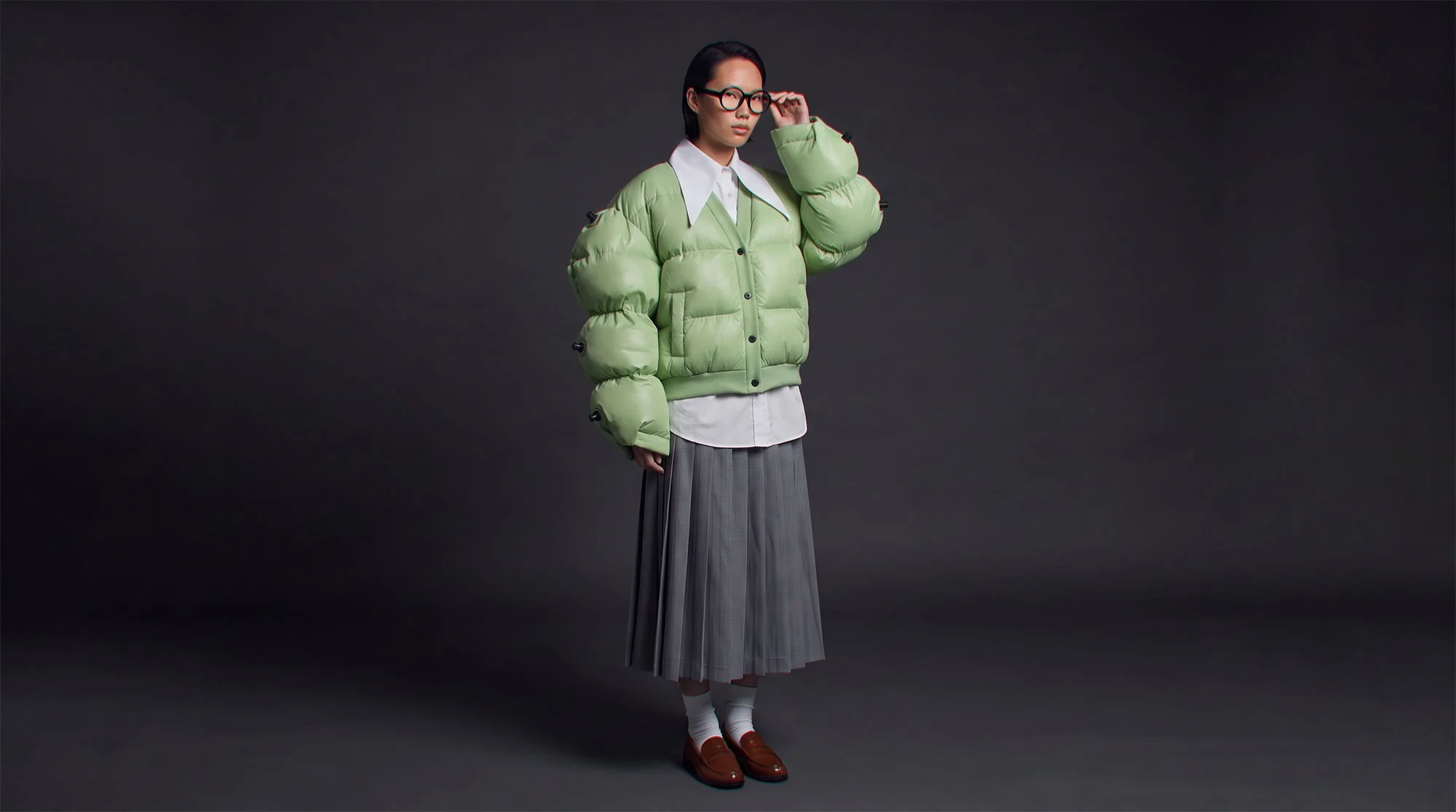
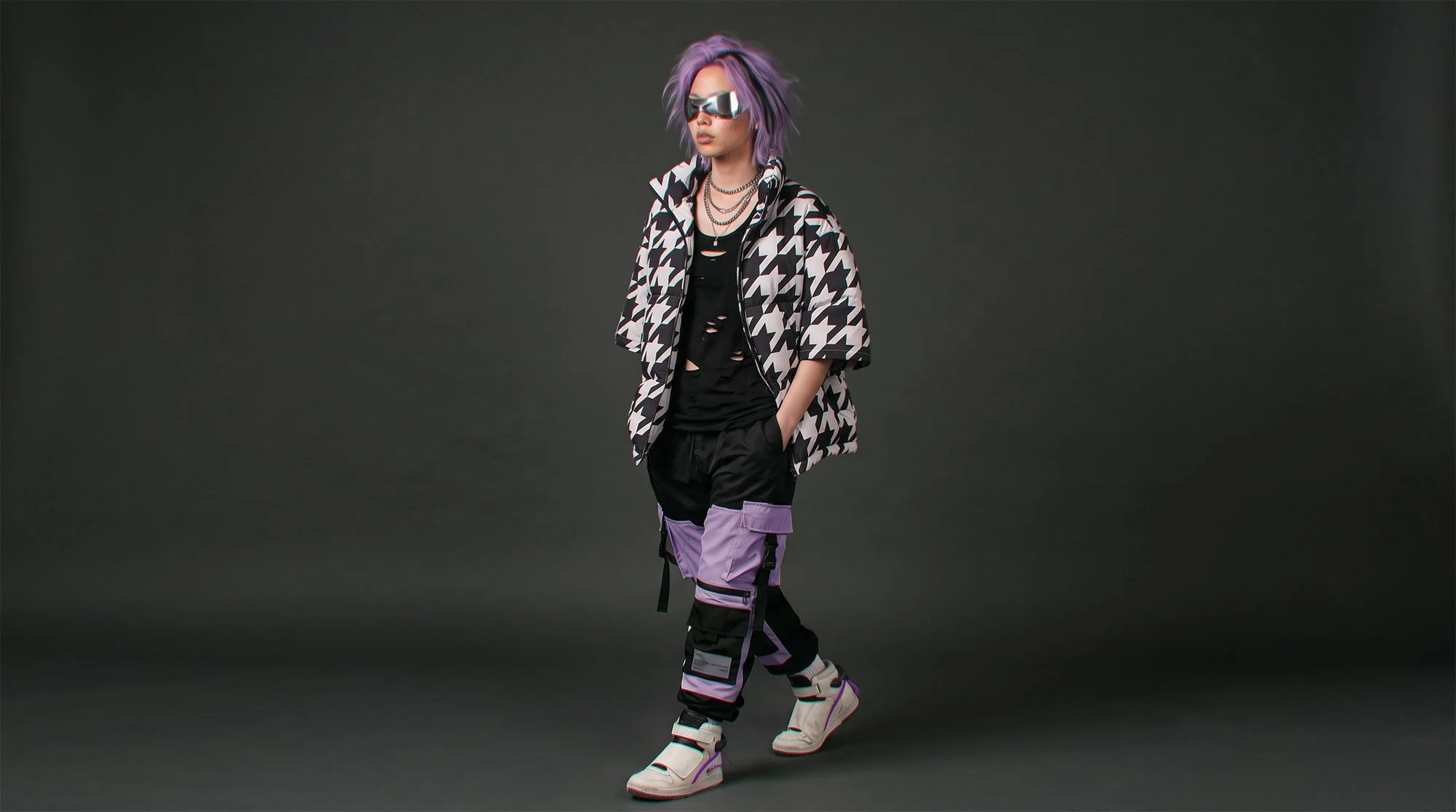
DISGUISES

TANGO

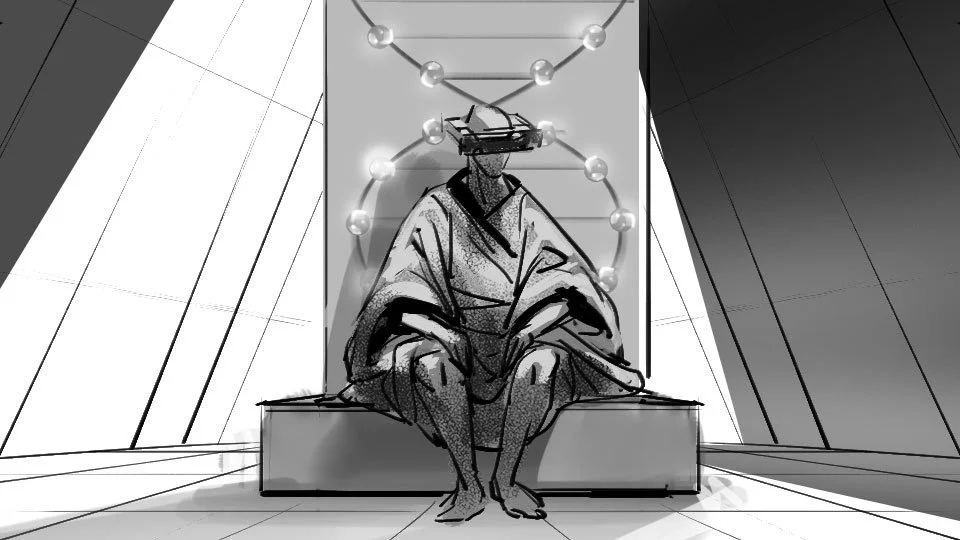
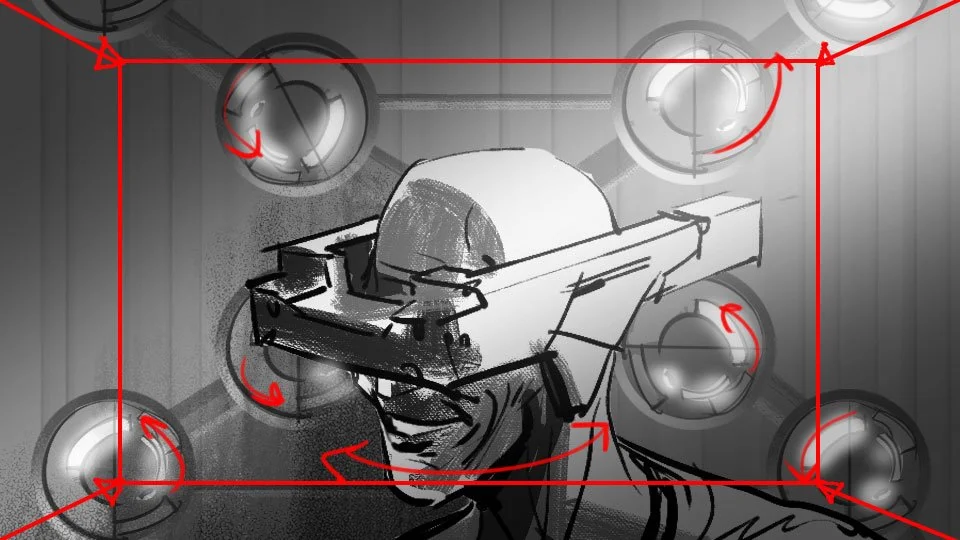
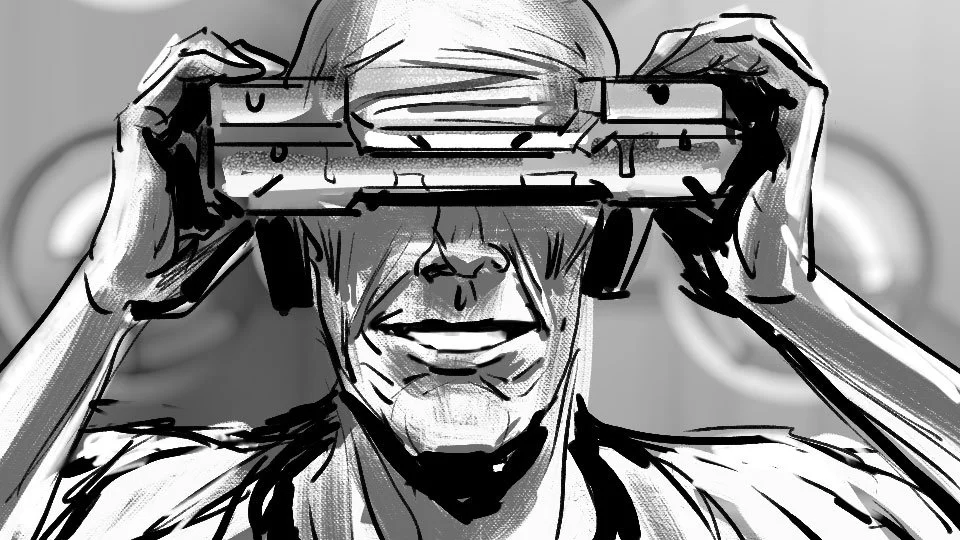
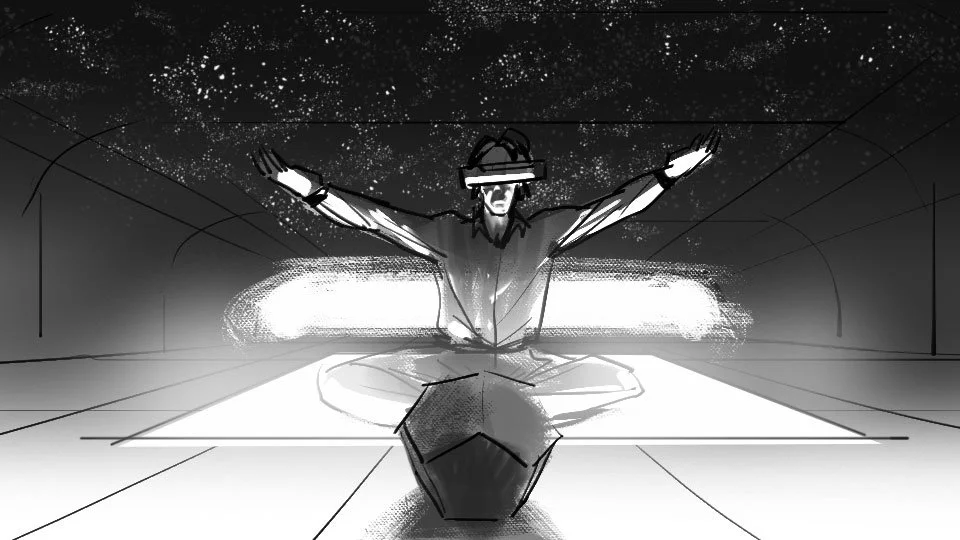
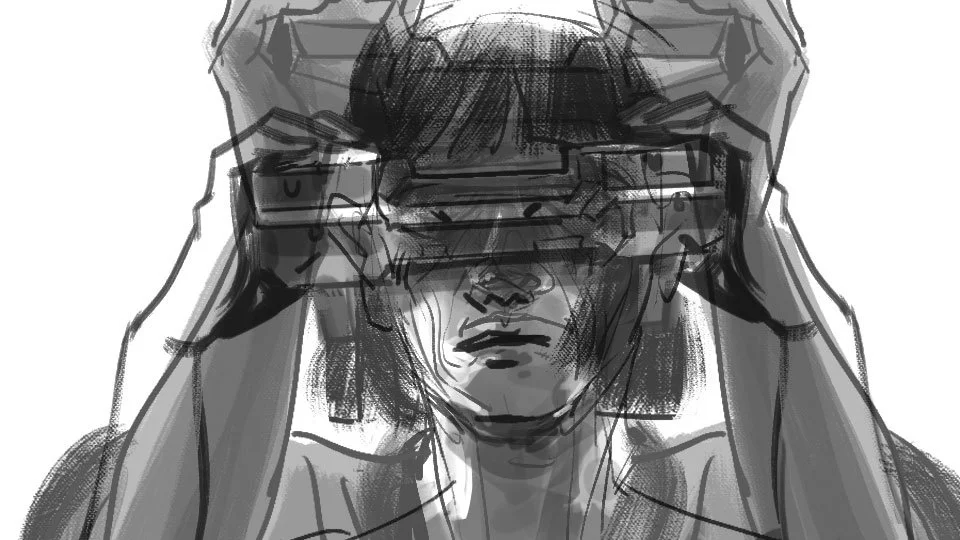
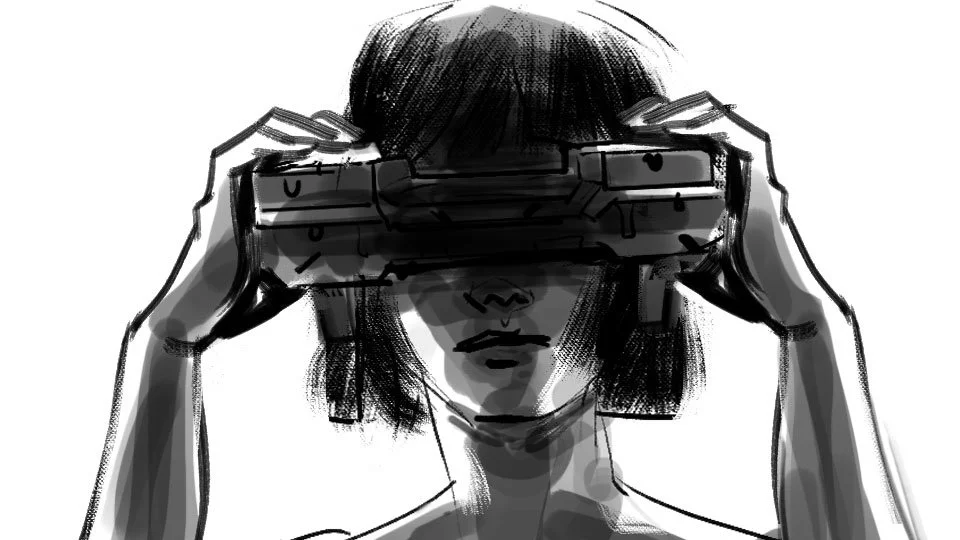
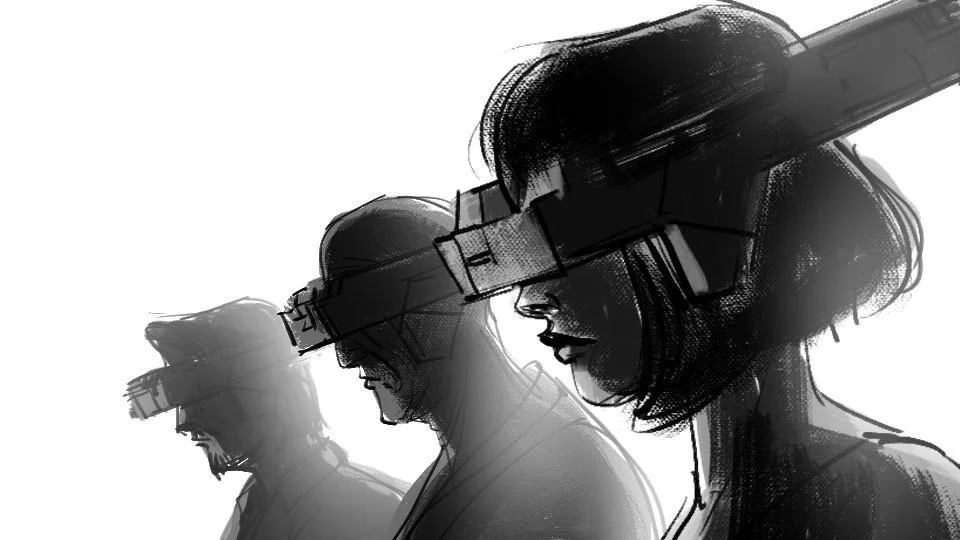
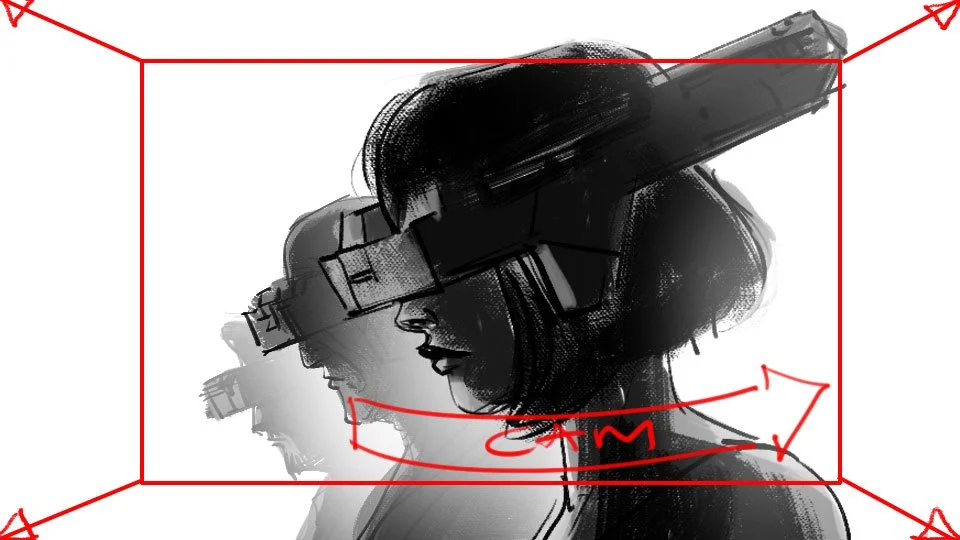
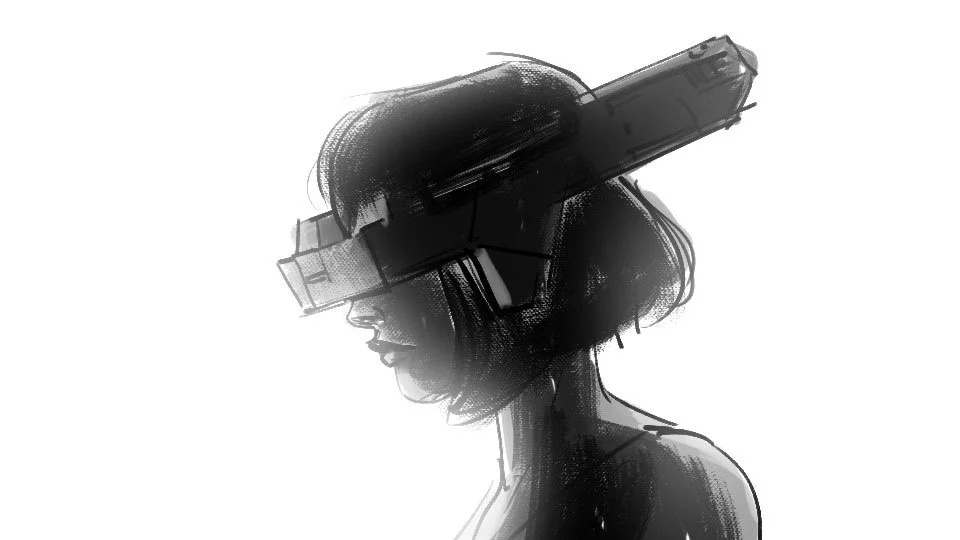
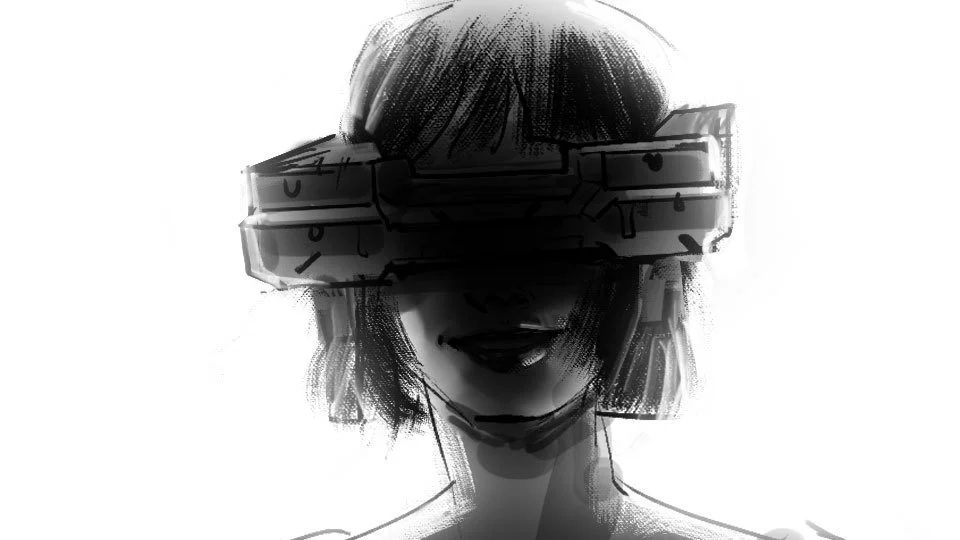
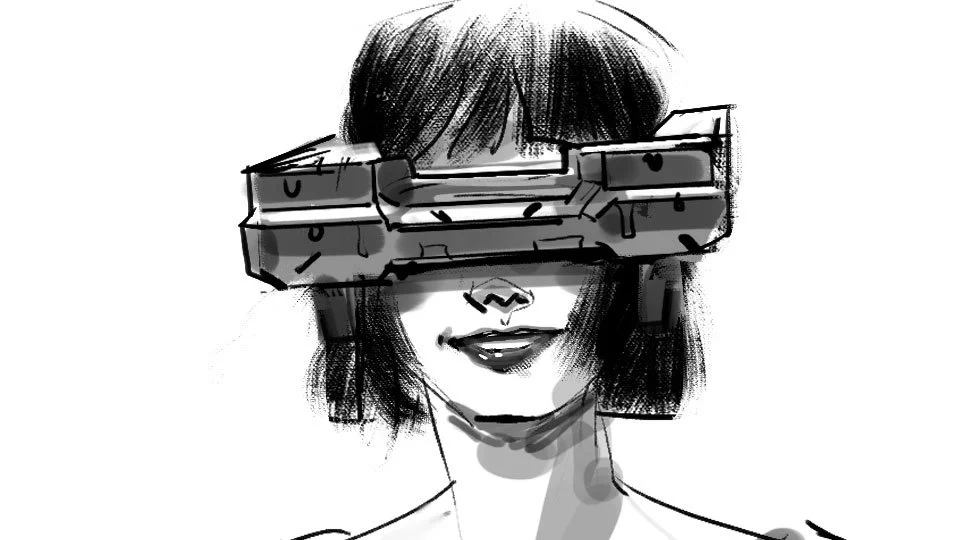
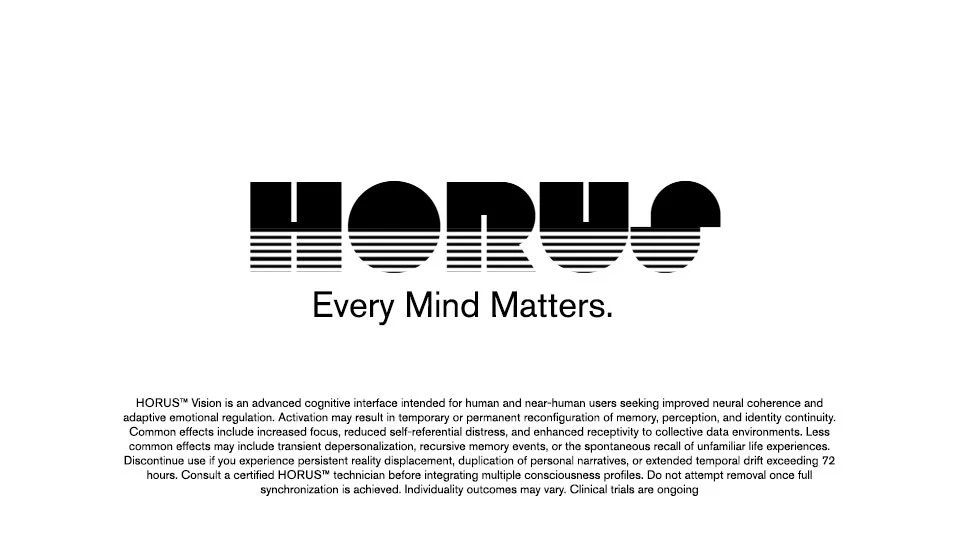
HORUS VISION



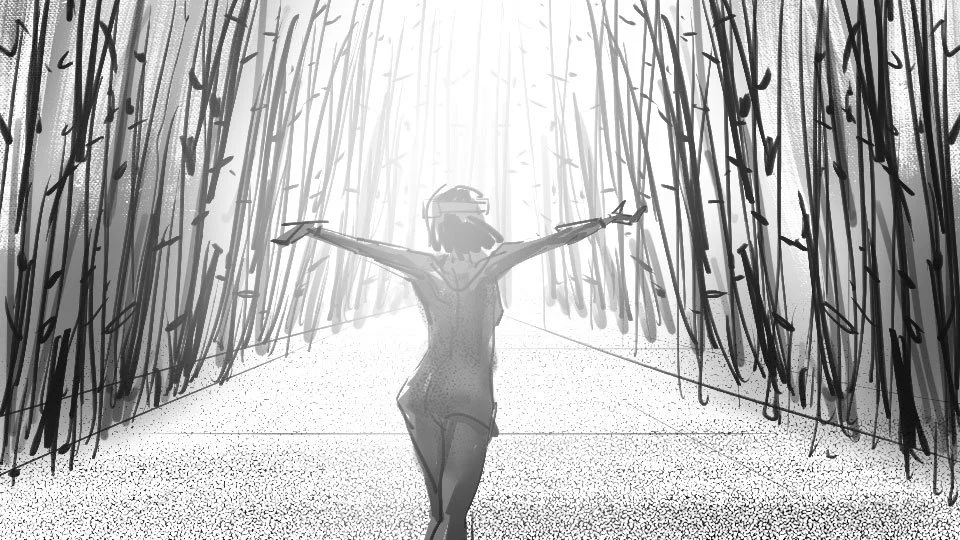
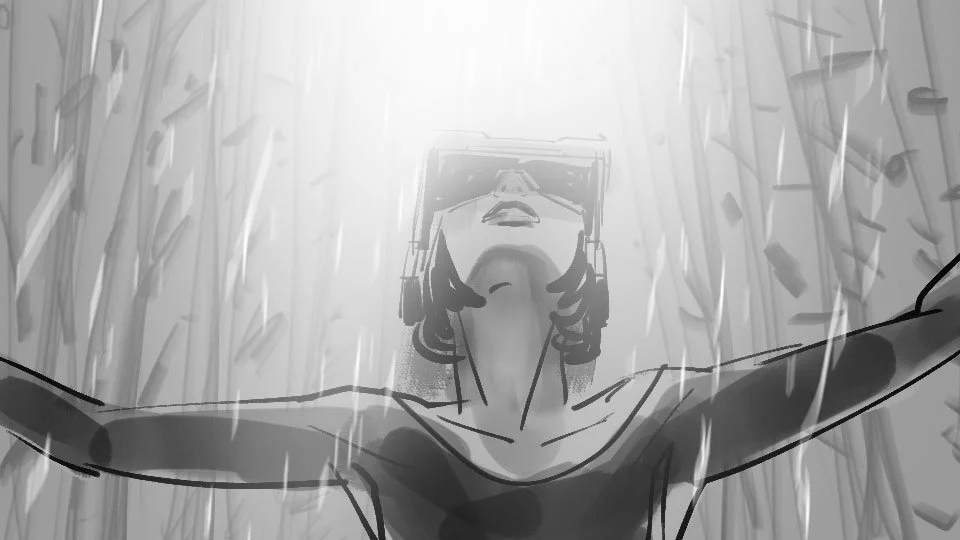
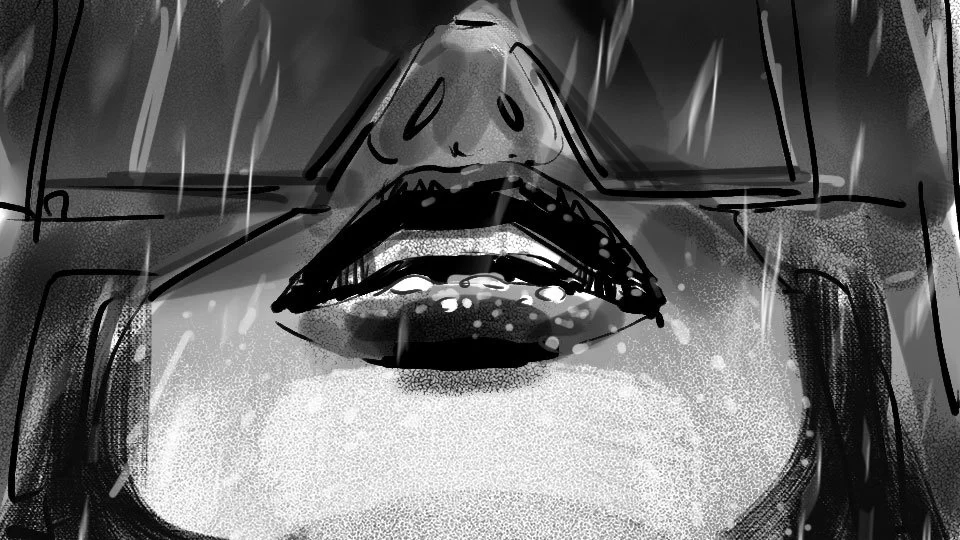
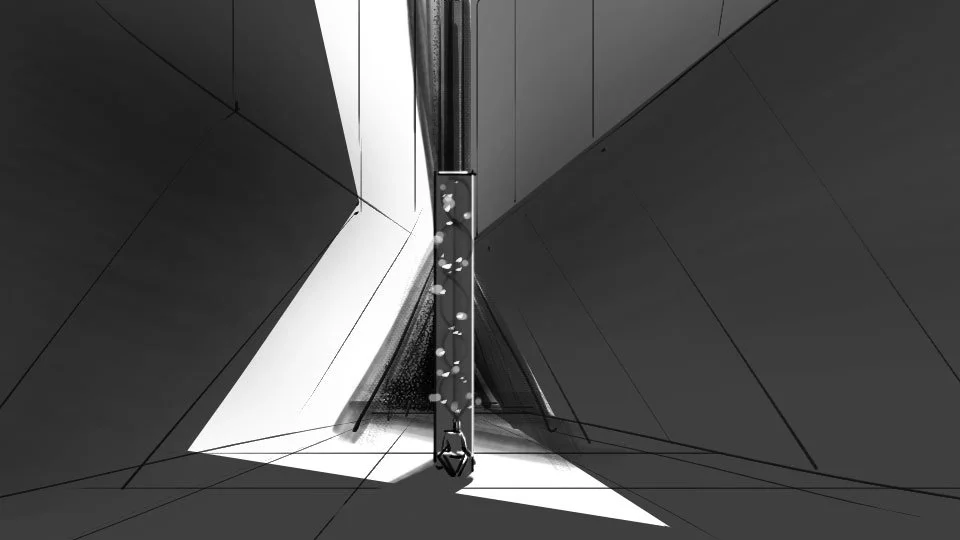
STOCKYARD GAME TRAILER